%2Ffit-in%2F250x250%2Fguide_websites%2F8615%2Fimages%2F17866375197415613b54f-dc7d-4728-9e84-1358d5003283.png&w=1920&q=100)
Caught a Little Tunny Offshore in Oriental
Little Tunny Fishing in Oriental, NC
5.0

1 Review
- 5
 100%
100% - 4
 0%
0% - 30%
- 20%
- 10%
%2F%2Fusers%2F792382ab-206e-4089-a7cf-5e417b469da6%2Fimages%2Flittle-tunny-light-tackle-catch-7566.png&w=1920&q=75)
The Little Tunny belongs to the order Perciformes and family Scombridae. It typically measures between 24 and 48 inches in length, with a weight range from 5 to 15 lbs. - Habitat includes onshore, nearshore, and offshore waters. - Also known as Bonita, False Albacore, or Little Tuna. - Uses schooling behavior as a primary defense mechanism. - Migratory species that moves south during fall and winter months.
Fishing Charter by Captain Dave Hegel in December
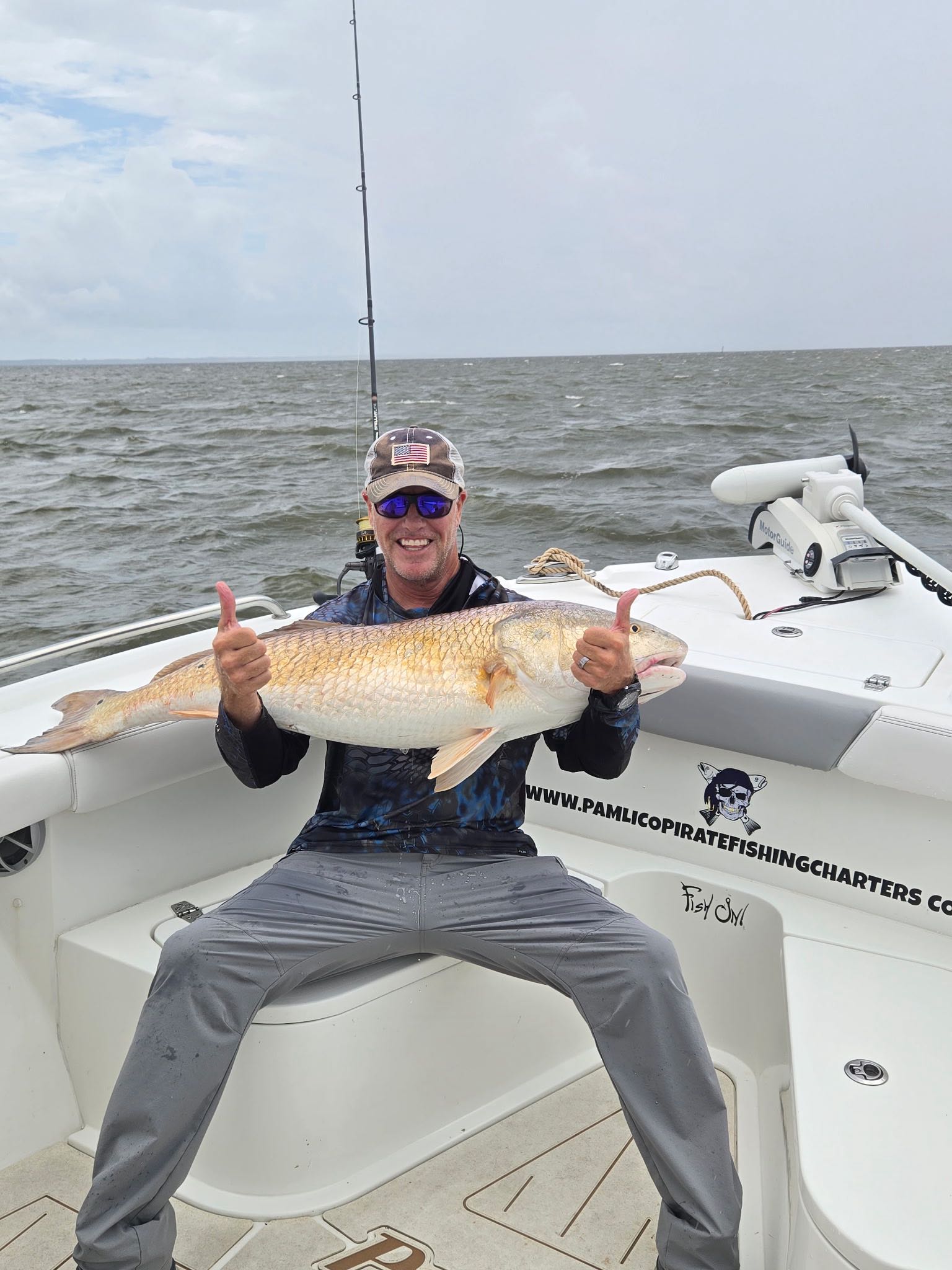
Meet your Captain Dave Hegel
- The Ultimate North Carolina Fishing Trip!


Summary
Captain Dave Hegel of Pamlico Pirate Fishing Charters on Sunday November offers exciting offshore fishing adventures targeting Little Tunny around Cape Lookout. This full-day light tackle charter specializes in surface casting and live bait techniques during the peak fall season when massive schools of False Albacore arrive off the North Carolina coast. Operating from Oriental, Captain Dave provides all fishing licenses, rods, reels, and tackle for up to three guests. The Cape Lookout waters offer some of the most reliable offshore fishing action on the East Coast, with hard-fighting fish known for blistering runs and relentless power. Perfect for anglers of all skill levels seeking nonstop action and unforgettable memories on the water during the prime October through November season.
Fishing Charter with Captain Dave – Rates & Booking
Captain Dave Hegel of Pamlico Pirate Fishing Charters on Sunday November runs full-day offshore trips targeting Little Tunny around Cape Lookout. This all-inclusive charter covers fishing licenses for up to three guests, plus all rods, reels, and tackle needed for light tackle action. The trip focuses on surface casting and live bait fishing techniques during peak fall season when False Albacore schools arrive off the North Carolina coast. Book your Cape Lookout offshore adventure by calling Pamlico Pirate Fishing Charters directly for current rates and availability.
Highlights of Cape Lookout False Albacore Fishing Charter
This charter targets the exciting fall run of Little Tunny using specialized light tackle techniques that make every fish feel like a trophy. Captain Dave works the productive waters around Cape Lookout where consistent structure and moving tides create ideal conditions for these hard-fighting fish. The combination of surface casting when fish are feeding topwater and live bait presentations ensures maximum action throughout the day.
Operating during the prime October through November season, these trips coincide with massive schools of False Albacore arriving along the coast. The light spinning tackle approach allows anglers to fully experience the blistering runs and relentless power these fish are known for, while Captain Dave's decades of local experience puts you right where the action is happening.
Local Species Insights: Little Tunny
Little Tunny thrive in the Cape Lookout area during fall months when water temperatures and baitfish concentrations create perfect feeding conditions. These fast-moving predators school up in large numbers, creating surface feeding frenzies that provide incredible light tackle opportunities. The structure and tide movements around Cape Lookout consistently hold these fish, making it one of the most reliable spots on the North Carolina coast for False Albacore action. Captain Dave's approach focuses on reading the water conditions and positioning anglers for maximum success during these exciting feeding periods.
Plan Your Fishing Charter Day
Your Cape Lookout False Albacore trip includes all necessary equipment and fishing licenses, allowing you to focus entirely on the fishing experience. Captain Dave provides light spinning tackle perfectly suited for these hard-fighting fish, along with a variety of lures and live bait options. The charter accommodates up to three guests and launches from Oriental area waters, with trip timing coordinated around optimal tide and weather conditions for the best possible action on the water.
Fishing in North Carolina: Little Tunny
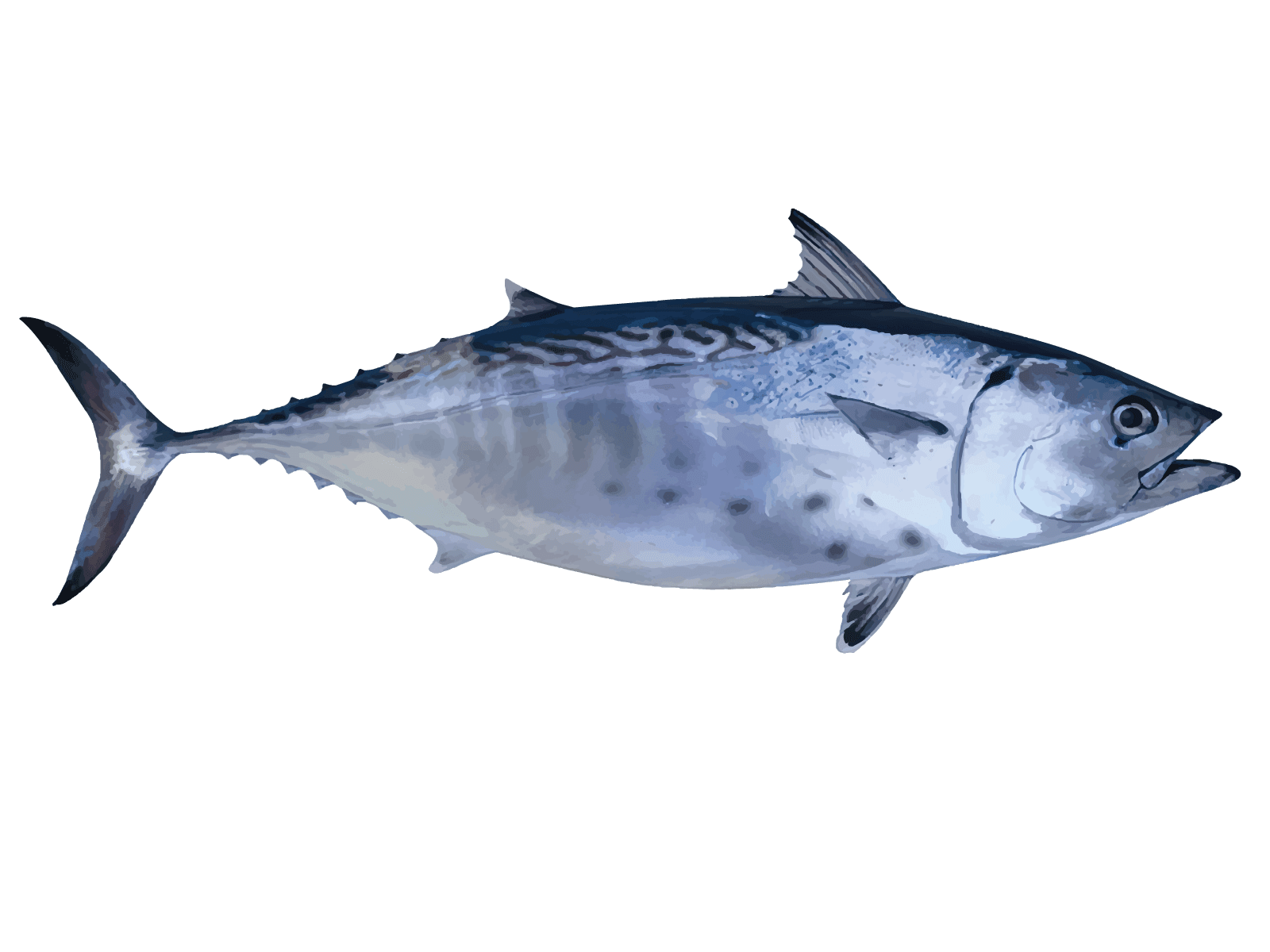
Little Tunny (Euthynnus alletteratus), commonly called False Albacore, is a fast-swimming member of the Scombridae family in the order Perciformes. This smaller tuna species is prized by light tackle anglers for its incredible speed and fighting ability. In Oriental waters this November, these fish arrive in massive schools during their southward migration, creating some of the most exciting offshore fishing opportunities on the North Carolina coast.
Little Tunny Overview
False Albacore are built for speed with their streamlined bodies and powerful tail fins. They're easily identified by their distinctive wavy lines on the back and lack of scales behind the head. These fish are voracious predators that feed aggressively on small baitfish, creating surface feeding frenzies that attract anglers from across the region.
Little Tunny Habitat and Distribution
Little Tunny inhabit onshore, nearshore, and offshore waters throughout the Atlantic. They prefer areas with strong currents and abundant baitfish populations. Around Cape Lookout, they concentrate near structure and temperature breaks where prey species gather, making these waters ideal for consistent fishing action.
Little Tunny Size and Weight
These fish typically range from 24 to 48 inches in length and weigh between 5 to 15 pounds. While smaller than their bluefin cousins, their pound-for-pound fighting ability makes them incredibly popular with light tackle enthusiasts who appreciate their blistering runs and aerial displays.
Little Tunny Diet and Behavior
False Albacore feed primarily on small fish like anchovies, sardines, and juvenile mackerel. They hunt in schools, often driving baitfish to the surface where feeding frenzies create visible disturbances. This behavior makes them perfect targets for surface casting techniques during peak feeding periods.
Little Tunny Spawning Season
Spawning occurs in warmer offshore waters during late spring and summer months. During fall migration periods, these fish focus entirely on feeding to build energy reserves for their journey south, making them extremely aggressive and willing to strike lures and baits.
Little Tunny Fishing Techniques
Light spinning tackle with small jigs, spoons, and topwater lures produces excellent results. Surface casting into feeding schools provides the most exciting action, while live bait fishing with small fish or squid works well when fish are deeper. In November, anglers around Oriental find them near Cape Lookout's structure where tide movements concentrate baitfish.
Little Tunny Is It Good to Eat?
While edible, Little Tunny has dark, strong-flavored meat that requires proper preparation. The flesh is high in protein and omega-3 fatty acids but can be quite rich. Many anglers practice catch and release with these fish, valuing them more for their incredible fighting ability than table fare.
Little Tunny Frequently Asked Questions
Q: What is the best bait for Little Tunny?
A: Small jigs, spoons, and topwater lures work best when fish are feeding on the surface. Live bait like small fish or squid is effective when they're holding deeper near structure.
Q: Where can I find Little Tunny near Oriental?
A: Cape Lookout waters offer the most consistent action, especially around structure and tide rips where baitfish concentrate during the fall migration period.
Q: Is Little Tunny good to eat?
A: The meat is edible but quite strong and dark. Most anglers prefer catch and release, valuing these fish for their exceptional fighting ability rather than table quality.
Q: When is the best time to catch Little Tunny?
A: Fall months from October through November provide peak action when massive schools migrate south along the North Carolina coast, creating incredible fishing opportunities.
More specie you can explore on this trip
Pamlico Pirate Fishing Charters Available Trips
Ready for some fast-paced fishing action? Captain Dave's got you covered with his Cape Lookout False Albacore charter out of Beaufort, NC. This offshore trip is all about chasing those hard-fighting "albies" during the fall run. You'll be using light spinning gear to cast into schools of these lightning-fast fish, known for their powerful runs that'll test your skills. Don't worry if you're new to this type of fishing - it's suitable for all experience levels and Captain Dave provides everything you need. With room for up to 3 anglers, you'll have plenty of opportunities to hook into the action. Fishing licenses, rods, reels, and tackle are all included, so you can focus on enjoying the beautiful Cape Lookout coastline and the rush of battling these mini tuna. Get ready for a day of non-stop excitement on the water as you target one of the East Coast's most thrilling game fish!