%2Ffit-in%2F250x250%2Fguide_websites%2F8615%2Fimages%2F17866375197415613b54f-dc7d-4728-9e84-1358d5003283.png&w=1920&q=100)
Caught a Mutton Snapper Inshore in Oriental
Mutton Snapper Fishing in Oriental, NC
4.9

17 Reviews
- 5
 94%
94% - 46%
- 3
 0%
0% - 20%
- 10%
%2F%2Fusers%2F792382ab-206e-4089-a7cf-5e417b469da6%2Fimages%2Ffishing-adventure-oriental-nc-12417.png&w=1920&q=75)
The Lutjanus Analis belongs to the order Perciformes and family Lutjanidae. It typically measures up to 20 inches in length, with a weight range from 5 to 15 lbs. Habitat: onshore, reef, nearshore, backcountry. - Mutton snappers have an olive color that progresses from dark to light from top to bottom. - Distinguished by blue lines below and behind their eyes with small black spots on both sides.
Fishing Charter by Captain Dave Hegel in December
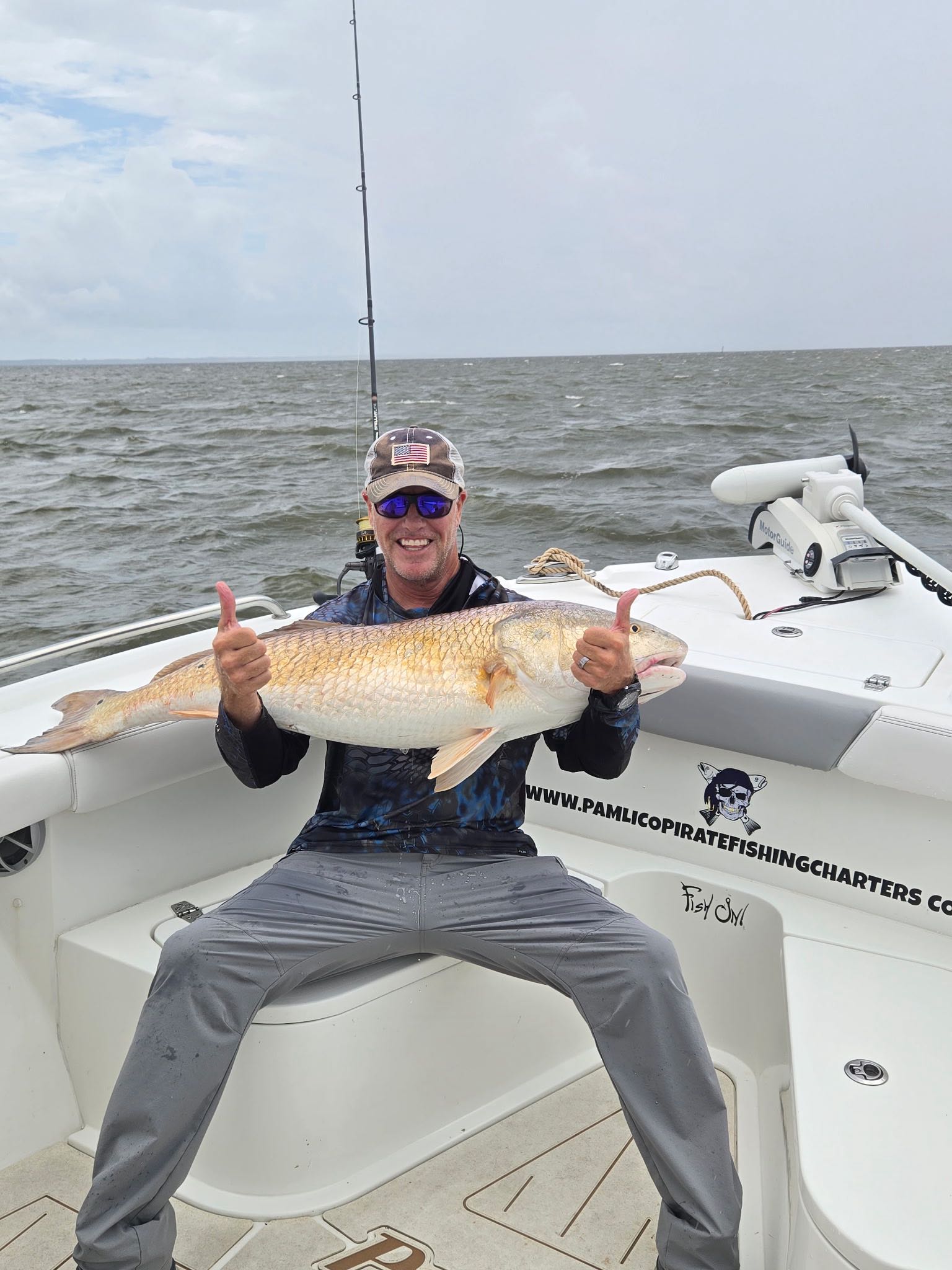
Meet your Captain Dave Hegel
- The Ultimate North Carolina Fishing Trip!


Summary
Captain Dave Hegel of Pamlico Pirate Fishing Charters on Tuesday May offers exceptional inshore fishing adventures in Oriental's renowned Pamlico Sound and Neuse River. This multi-species fishing charter targets redfish, speckled trout, flounder, bluefish, and striped bass using light tackle techniques in shallow waters. The 2025 Parker SE vessel provides comfortable access to productive flats and nearshore reefs where these gamefish thrive year-round. With a focus on catching fish and creating lasting memories, Captain Dave adapts each trip to target whatever species are biting best, ensuring guests experience the excellent inshore fishing that makes North Carolina's Pamlico region a premier destination for anglers seeking diverse action and scenic beauty.
Fishing Charter with Captain Dave Hegel – Rates & Booking
Captain Dave Hegel of Pamlico Pirate Fishing Charters on Tuesday May provides expert-guided inshore fishing adventures targeting multiple species in Oriental's productive waters. This full-day charter accommodates up to 3 guests aboard a brand new 2025 Parker SE designed for shallow water access and comfort. The trip includes all fishing gear, tackle, and local expertise to maximize your catch ratio. Captain Dave's approach focuses on adapting to current conditions, whether targeting slot redfish on the flats, speckled trout in grass beds, or striped bass along structure. Book your NC Charter Multi-Species Fishing Adventure online to secure your date and experience the exceptional inshore fishing that makes the Pamlico Sound region famous among anglers.
Highlights of NC Charter Multi-Species Fishing Adventure (Red Fish, Bluefish, Speckled Trout, Flounder & Striped Bass.)
The Neuse River and Pamlico Sound offer year-round fishing opportunities with Captain Dave's specialized approach to multi-species targeting. As part of the Parker Offshore Prostaff, he utilizes a 2025 Parker SE specifically designed to access shallow waters where redfish, speckled trout, and other inshore species feed. The charter focuses on whatever is "hot" during your visit, whether that's working topwater lures for aggressive redfish, casting soft plastics for speckled trout, or targeting striped bass along deeper channels.
Recent guests have experienced limit catches of redfish, quality speckled trout releases, and steady bluefish action. The shallow draft vessel allows access to prime fishing spots that larger boats cannot reach, giving you an advantage in targeting these species in their preferred habitat. Captain Dave's local knowledge and willingness to adapt the plan ensures productive fishing regardless of conditions.
Local Species Insights: Mutton Snapper
Mutton snapper represent an exciting catch opportunity in Oriental's nearshore and reef environments, particularly around structure where these Lutjanidae family members feed on crabs, shrimp, and small fish. These olive-colored snappers with distinctive blue lines below their eyes typically range from 5 to 15 pounds in local waters, providing excellent light tackle action when encountered. Captain Dave's knowledge of reef locations and backcountry spots increases your chances of connecting with these prized gamefish during your charter adventure.
Plan Your Fishing Charter Day
Your charter begins with a safety briefing and gear setup aboard the comfortable 2025 Parker SE, equipped with all necessary tackle for light tackle inshore fishing. Captain Dave provides rods, reels, bait, and lures while you bring sunscreen, snacks, and drinks for the day. The vessel's shallow draft design allows exploration of grass flats, oyster bars, and nearshore structure where multiple species feed. Expect a full day of fishing with opportunities to target redfish, speckled trout, flounder, bluefish, and striped bass based on seasonal patterns and current conditions. The captain's flexible approach means adjusting locations and techniques throughout the day to keep you on productive water and maximize your fishing success.
Fishing in North Carolina: Mutton Snapper
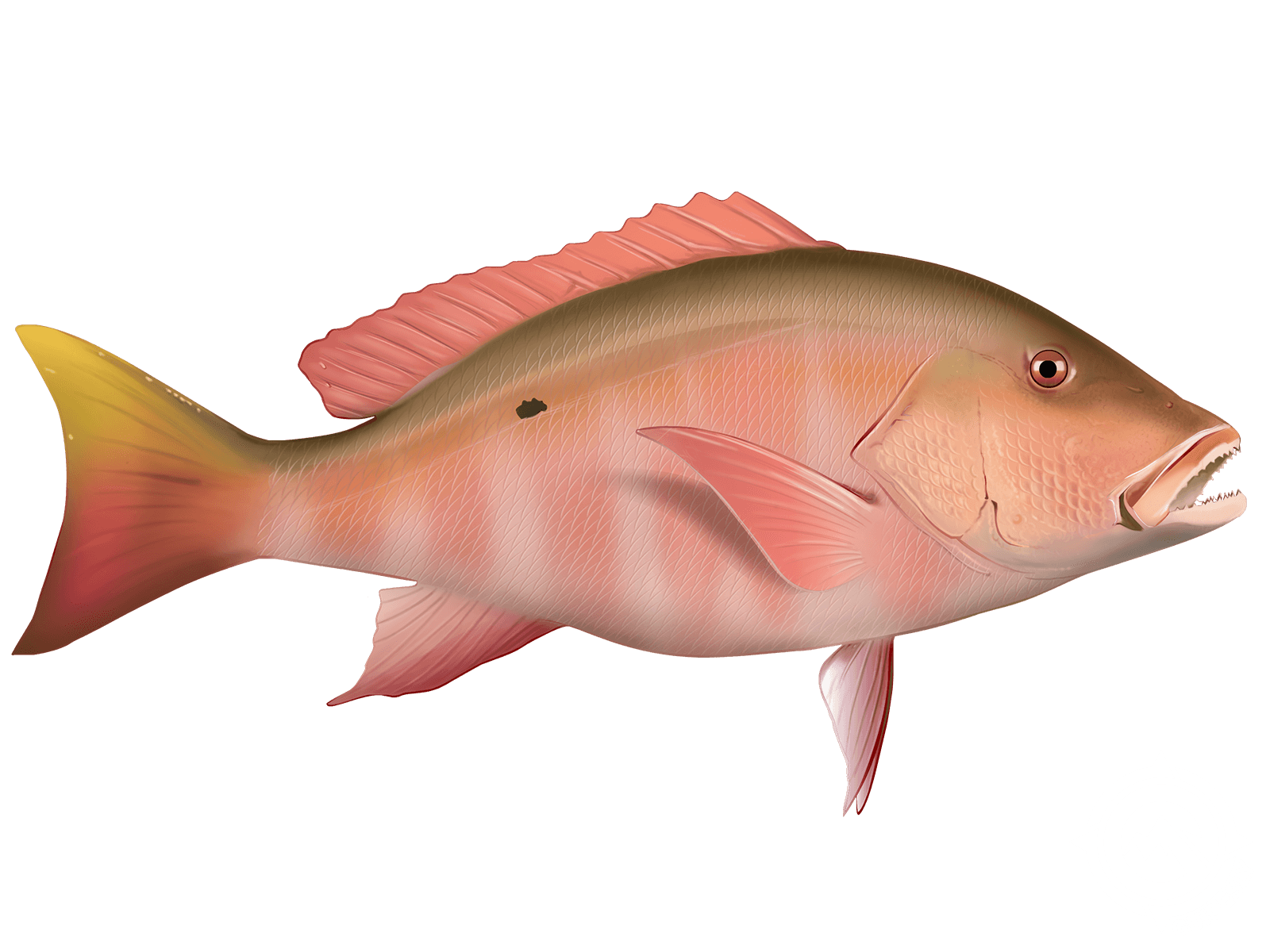
The Mutton Snapper (Lutjanus analis) is a prized member of the Lutjanidae family and Perciformes order, known for its distinctive olive coloration that transitions from dark to light tones from top to bottom. These snappers are easily identified by the characteristic blue lines below and behind their eyes, along with small black spots on both sides of their body.
Mutton Snapper Overview
Mutton snappers are highly valued by anglers for their fighting ability and excellent table fare. These reef-dwelling fish are commonly found in Oriental's nearshore waters, particularly around structure where they feed on crabs, shrimp, and small fish. Their wariness and strong runs make them an exciting target for light tackle fishing.
Mutton Snapper Habitat and Distribution
These snappers inhabit onshore reefs, nearshore structures, and backcountry areas throughout North Carolina's coastal waters. Around Oriental, they're often found near oyster bars, artificial reefs, and rocky bottom areas where they can ambush prey. They prefer areas with good current flow and adequate cover.
Mutton Snapper Size and Weight
Local mutton snappers typically range from 5 to 15 pounds, with fish reaching up to 20 inches in length. Larger specimens provide exceptional fights on light tackle, making them a favorite target for experienced anglers seeking quality over quantity.
Mutton Snapper Diet and Behavior
Mutton snappers are opportunistic feeders that primarily consume crabs, shrimp, small fish, and squid. They're most active during dawn and dusk periods, often moving into shallower water to feed. These fish are known for their cautious nature and will quickly retreat to cover when spooked.
Mutton Snapper Spawning Season
Spawning typically occurs during warmer months when water temperatures rise above 75 degrees. During this period in Oriental waters around May, mutton snappers may be found in slightly deeper water near reef edges and drop-offs where they aggregate for reproduction.
Mutton Snapper Fishing Techniques
Successful mutton snapper fishing requires live or fresh bait such as shrimp, crabs, or small fish presented near bottom structure. Light tackle with 15-20 pound test line works well, allowing for better bait presentation and more exciting fights. In May around Oriental, anglers find success fishing around oyster bars and nearshore reefs during moving tides when these snappers are most active.
Mutton Snapper Is It Good to Eat?
Mutton snapper ranks among the finest eating fish in North Carolina waters, with firm white meat and excellent flavor. The flesh is lean, flaky, and mild-tasting, making it perfect for grilling, baking, or frying. Rich in protein and omega-3 fatty acids, mutton snapper provides excellent nutritional value for health-conscious anglers.
Mutton Snapper Frequently Asked Questions
Q: What is the best bait for mutton snapper?
A: Live or fresh shrimp, small crabs, and cut bait work best. Present baits near bottom structure where these snappers feed.
Q: Where can I find mutton snapper near Oriental?
A: Look for them around oyster bars, nearshore reefs, and rocky bottom areas with good current flow and structure.
Q: Is mutton snapper good to eat?
A: Absolutely. Mutton snapper has firm, white meat with excellent flavor and is considered one of the best eating fish in North Carolina waters.
Q: When is the best time to catch mutton snapper?
A: Dawn and dusk periods during moving tides provide the best opportunities, especially around structure in warmer months.
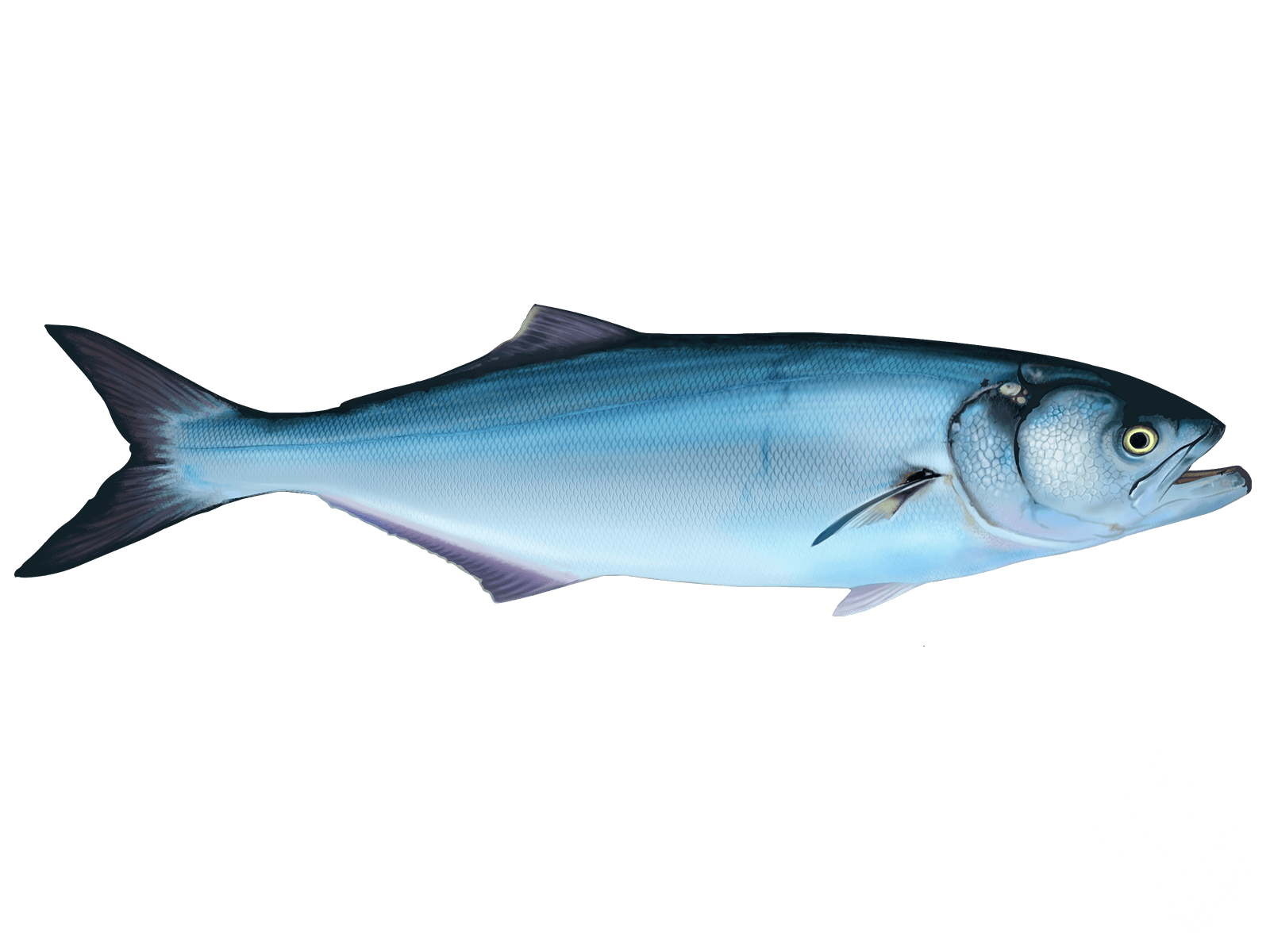
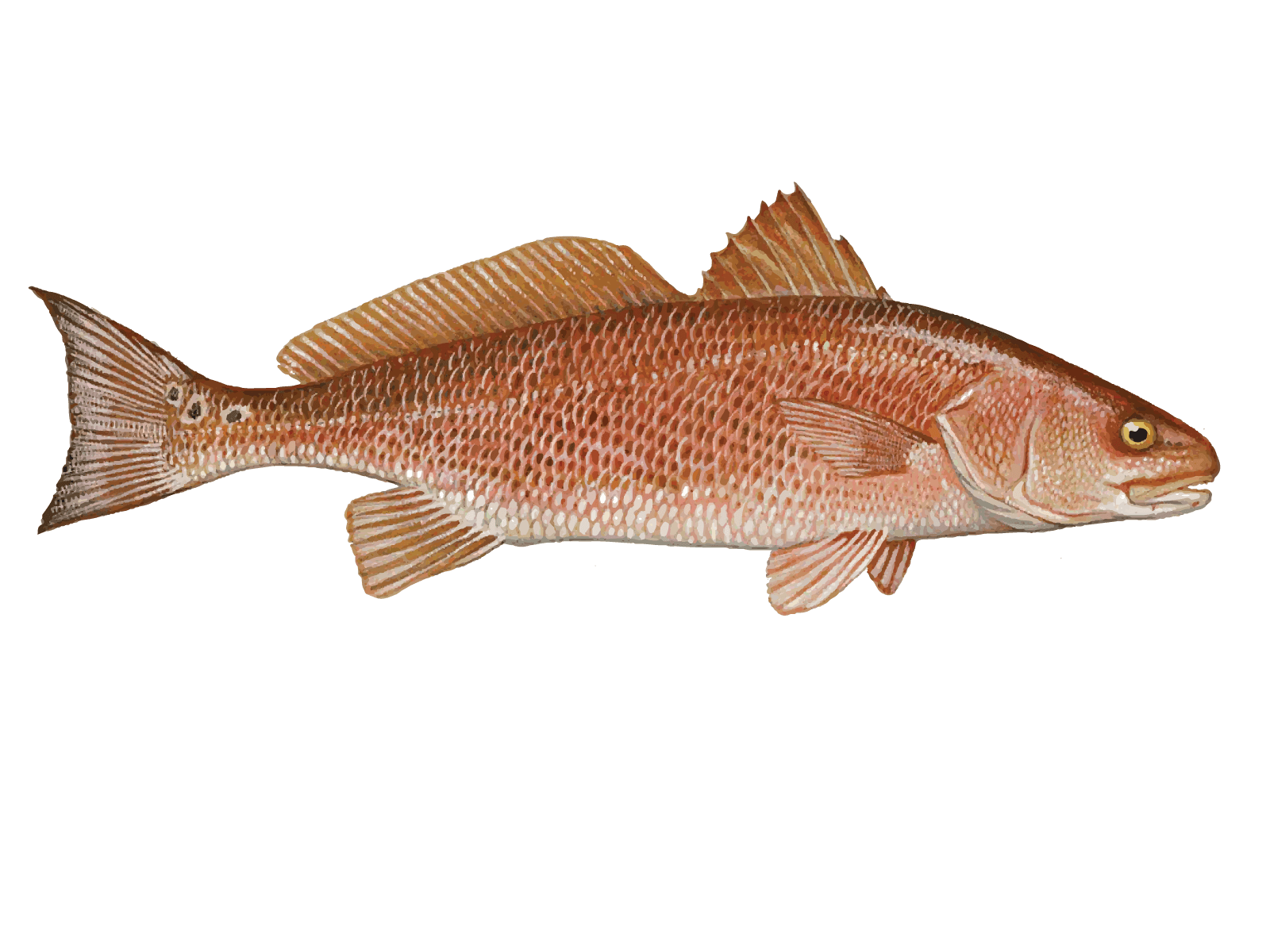
More species you can explore on this trip
Pamlico Pirate Fishing Charters Available Trips
Other customer memories from this trip
Captain Dave runs a brand new 2025 Parker SE as part of the Parker Offshore Prostaff, specifically designed for shallow water inshore fishing in the Pamlico Sound and Neuse River. This vessel's shallow draft allows access to prime fishing spots that larger boats cannot reach, perfect for stalking redfish on grass flats and working structure for speckled trout. The boat comfortably accommodates up to 3 guests with all necessary fishing equipment, tackle storage, and safety gear included. The Parker SE's design prioritizes both fishing functionality and guest comfort during full-day charters, with easy casting positions and stable footing for fighting fish. Captain Dave's setup focuses on maximizing your catch ratio by getting you into the productive shallow waters where these inshore species thrive year-round.