Neuse River Redfish Fishing Trip Oriental
Redfish Fishing in Oriental, NC - What to Expect
5.0

20 Reviews
- 5
 95%
- 45%
- 3
 0%
- 20%
- 10%

Fishing Charter by Captain Dave Hegel in August
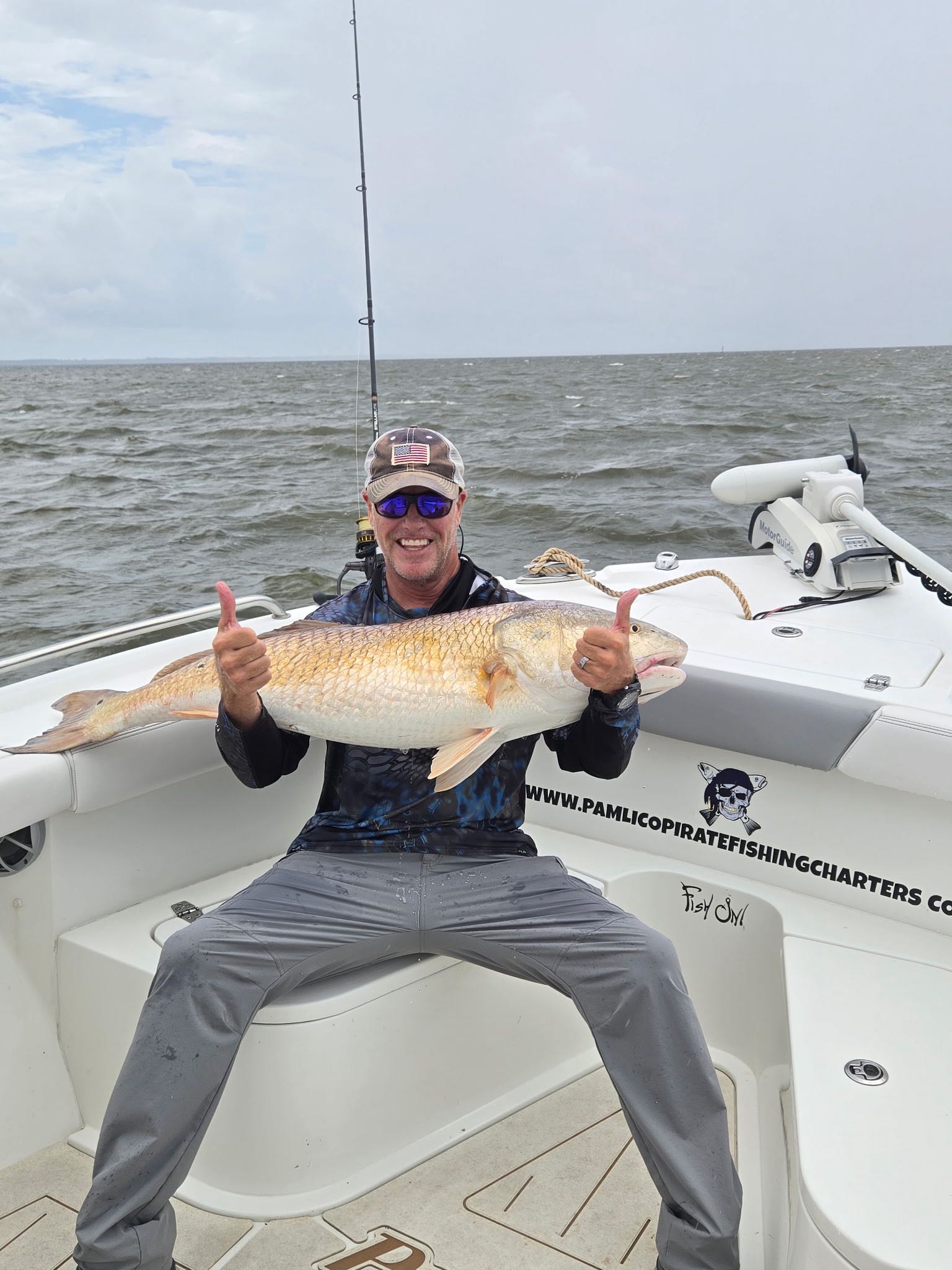
- The Ultimate North Carolina Fishing Trip!


Summary
Land trophy redfish on a fast-paced fishing charter with Captain Dave Hegel of Pamlico Pirate Fishing Charters. This Saturday in May, target bull reds, slot fish, bluefish, and stripers across North Carolina's Neuse River using light tackle techniques and shallow-water tactics on a brand new 2025 Parker SE built for inshore success.
Inshore Fishing with Captain Dave Hegel - Rates & Booking
Captain Dave Hegel of Pamlico Pirate Fishing Charters runs aggressive redfish charters on Saturday, May 31st on North Carolina's Neuse River. This multi-species inshore fishing charter targets whatever is hot - bull reds, slot redfish, bluefish, stripers, and speckled trout. The trip accommodates up to three anglers with all tackle provided, delivering maximum action and comfort.
Captain Dave runs a brand new 2025 Parker SE specifically designed for shallow-water stalking and sight-fishing along the Neuse River where the big bulls and slot reds hang out. Every detail is dialed in to put you on fish and keep you fighting all day. Book your charter today and experience why anglers keep coming back to Captain Dave's setup for consistent, exciting catches.
Highlights of NC Neuse River Multi Species Charter
Expect non-stop action targeting trophy redfish and multiple species in a single day. The Parker SE's shallow-water design sneaks you into prime structure where the largest fish are concentrated. Captain Dave's expertise and aggressive tactics mean you'll spend more time fighting fish and less time searching.
The Neuse River delivers year-round excitement, but springtime redfish runs are absolutely epic. Multiple rod opportunities keep three anglers fully engaged, and the boat's spacious layout prevents tangles and frustration. With all gear ready and electronics locked on the bite, your only job is to hold tight when Captain Dave yells, "Fish on!"
Local Species Insights: Redfish
Redfish, also called drum or "Old Drum," are the Neuse River's most explosive target. These aggressive fighters hit hard and run harder, especially the bull reds that often exceed 40 pounds. Slot redfish (18-27 inches) provide equally thrilling battles with slightly quicker reaction times and acrobatic jumps.
Redfish thrive in the Neuse's shallow flats, grass beds, and current breaks where baitfish congregate. They hunt aggressively during rising tides and low-light periods, making spring tides ideal for sight-fishing opportunities. Light tackle amplifies the fight, turning every hookup into a heart-pounding battle where you feel every headshake and explosive run.
What makes redfish so compelling is their predictability and consistent availability. Unlike seasonal species, reds feed year-round on the Neuse, but spring delivers peak aggression and maximum size. Captain Dave knows every productive flat and current seam where these fish stage, using the Parker SE's shallow draft to access water other boats cannot reach.
The Neuse River's brackish conditions keep redfish healthy and aggressive. Mix in stripers, bluefish, and trout, and you've got a multi-species playground where every cast creates opportunity. When that redfish crushes your light tackle offering, you'll understand why anglers travel to Oriental specifically for this action.
Plan Your Redfish Fishing Day
Your charter aboard the 2025 Parker SE includes all tackle, rods, reels, and rigging for successful redfish and multi-species fishing. Captain Dave provides three comfortable fishing stations with plenty of room to move and fight fish without collision or tangled lines. The boat's electronics keep you locked on active fish, while the shallow draft opens exclusive fishing territory unavailable to deeper-hull vessels.
You'll fish during optimal tide and light conditions that Captain Dave selects for maximum redfish aggression. The compact three-angler group means personal attention and plenty of rod time. Bring sunscreen, a hat, and water - everything else is covered by Captain Dave's fully equipped 2025 Parker SE ready to deliver fast-paced redfish action on the Neuse River.
Fishing in North Carolina: Redfish
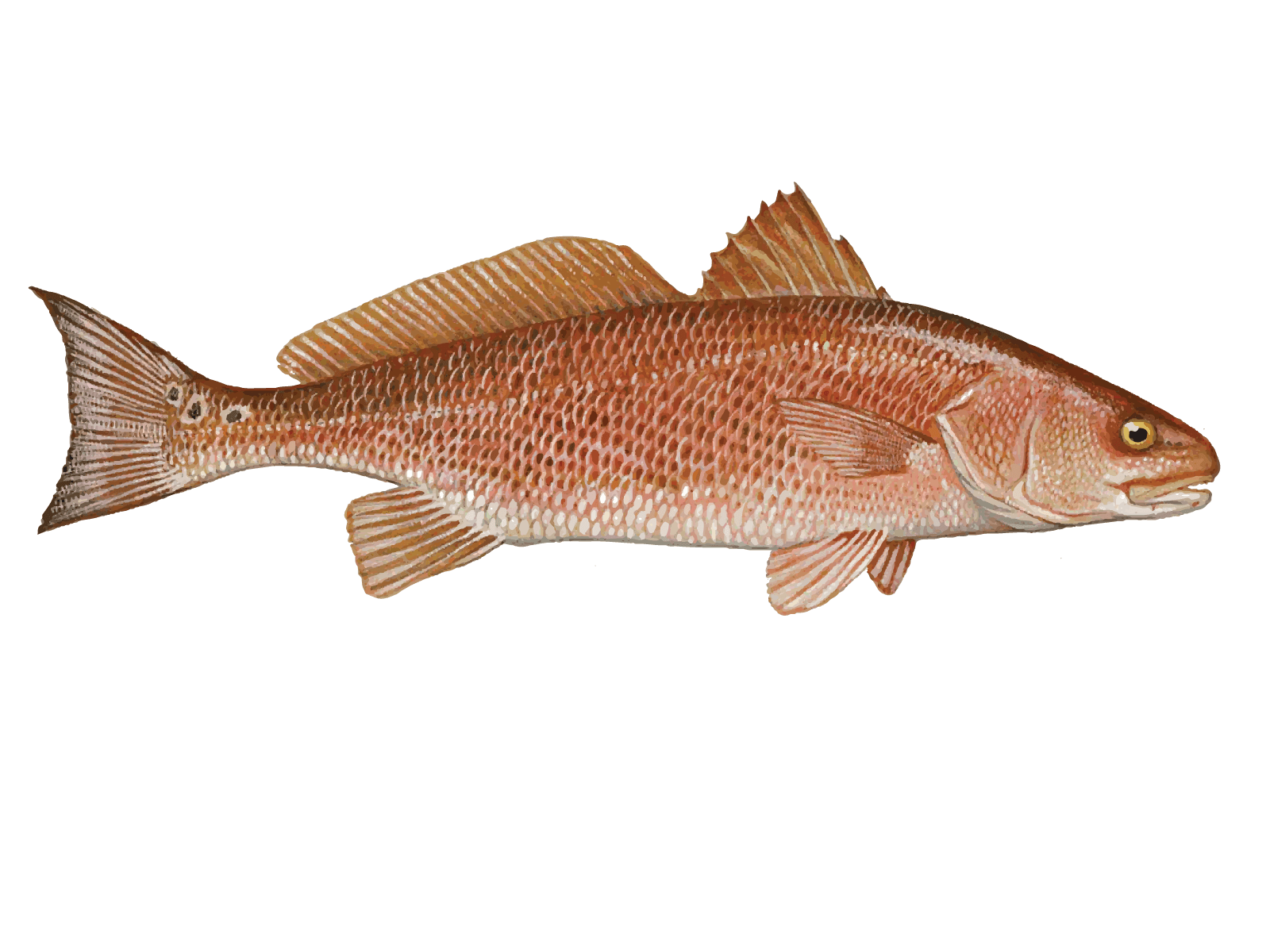
The Redfish (Sciaenops ocellatus), commonly known as Red Drum, belongs to the family Sciaenidae within the order Perciformes and stands as one of the most sought-after inshore game fish along the Atlantic coast. Distinguished by their characteristic copper-bronze coloration that fades to white on the belly and one or more distinctive black eyespots near the tail, these remarkable fish have captivated anglers for generations. The eyespots serve as a fascinating evolutionary adaptation, confusing predators into attacking the tail end rather than the head, allowing for quick escapes. With lifespans reaching up to 40 years and females capable of producing up to 3 million eggs in a single spawning event, Red Drum represent both resilience and abundance in coastal ecosystems.
Redfish Overview
Red Drum are quintessential shallow-water predators that thrive in the dynamic environments where fresh and saltwater meet. Found throughout the Atlantic coast from Massachusetts to northern Mexico, including the entire Gulf of Mexico, these fish have become synonymous with flats fishing and sight fishing opportunities. Their preference for extremely shallow water, often with their backs exposed above the surface, makes them ideal targets for both novice and experienced anglers. The species gained significant conservation attention in the 1980s when commercial overfishing threatened populations, leading to strict regulations that have successfully restored their numbers across most of their range.
Redfish Habitat and Distribution
These adaptable fish inhabit a diverse range of coastal environments, showing a strong preference for shallow bays, oyster reefs, grass flats, lagoons, and tidal creeks. They typically favor depths between 1 and 4 feet, though larger specimens venture into deeper nearshore waters. Red Drum demonstrate remarkable versatility in bottom preferences, thriving over mud, sand, and shell substrates while utilizing both natural vegetation like seagrass beds and artificial structures such as docks, piers, and jetties. Their distribution extends from the Chesapeake Bay region down through Florida and across the Gulf Coast, with some of the most productive fisheries found in Louisiana, Texas, North Carolina, and South Carolina waters.
Redfish Size and Weight
Adult Red Drum typically range from 30 to 61 inches in length, with weights commonly falling between 10 and 45 pounds, though exceptional specimens can exceed these parameters significantly. Sexual dimorphism is evident in mature fish, with females generally growing larger than males, averaging 33 inches compared to the male average of 28 inches. The species reaches sexual maturity between 3 to 5 years of age, after which growth rates vary considerably based on geographic location and environmental conditions. The current world record stands at an impressive 94 pounds 2 ounces, caught off the North Carolina coast, demonstrating the true potential size these fish can achieve in optimal conditions.
Redfish Diet and Behavior
Red Drum are opportunistic predators with voracious appetites, feeding primarily on crustaceans, mollusks, and small fish. Their diet includes blue crabs, shrimp, mullet, menhaden, and various bottom-dwelling invertebrates. They exhibit interesting feeding behaviors, often creating muddy plumes while rooting through soft bottoms in search of prey, a behavior that makes them visible to sight-fishing anglers. These fish demonstrate strong site fidelity, typically remaining within relatively small home ranges throughout their lives. They are most active during dawn and dusk periods, though feeding can occur throughout the day depending on tidal movements, weather conditions, and prey availability.
Redfish Spawning and Seasonal Activity
Spawning occurs in nearshore waters from late summer through early fall, typically between August and November, with peak activity varying by latitude. Mature fish migrate from their inshore habitats to deeper coastal waters where females release massive quantities of eggs in multiple spawning events. The fertilized eggs drift with currents for approximately 24 hours before hatching, with larvae eventually recruiting to shallow estuarine nursery areas. Seasonal movements are generally limited, though some populations show patterns of moving to slightly deeper water during extreme cold weather events. Juvenile fish remain in shallow nursery areas for their first few years before joining adult populations.
Redfish Techniques for Observation and Capture
Sight fishing represents the pinnacle of Red Drum angling, requiring polarized sunglasses, shallow-draft boats or wading gear, and the ability to spot fish in skinny water. Successful techniques include using topwater plugs like walk-the-dog style lures, soft plastic jigs resembling shrimp or crabs, and live bait such as shrimp, crabs, or cut mullet. Fly fishing enthusiasts achieve excellent results with weedless patterns in the 3 to 6-inch range, particularly crab and shrimp imitations. Around popular fishing destinations like Charleston, South Carolina, local guides recommend focusing on oyster bars during moving tides and grass flats during slack water periods. The key to consistent success lies in understanding tidal movements, as these fish are most active and predictable when water is moving.
Redfish Culinary and Utilization Notes
Red Drum offer excellent table fare when properly handled and prepared, featuring mild, slightly sweet white meat with a firm texture that adapts well to various cooking methods. The flesh contains high levels of protein and beneficial omega-3 fatty acids, along with essential vitamins and minerals including B12 and selenium. Smaller fish, often called "rat reds," typically provide the best eating quality, while larger breeding-size fish are often released to maintain population health. Popular preparation methods include grilling, blackening, baking, and frying, with the versatile meat absorbing seasonings and marinades effectively. Sustainable harvesting practices and adherence to size and bag limits ensure continued availability of this valuable food fish for future generations.
Redfish Frequently Asked Questions
Q: What is the best bait for catching Red Drum?
A: Live or fresh-dead shrimp consistently produces excellent results, followed closely by blue crab and cut mullet. For artificial lures, topwater plugs during low-light conditions and soft plastic jigs worked slowly along the bottom are highly effective choices that mimic natural prey items.
Q: Where can I find Red Drum near coastal areas?
A: Focus your efforts on shallow grass flats, oyster bars, tidal creeks, and areas where structure meets open water. Look for moving water during tide changes, and don't overlook extremely shallow areas where fish may be "tailing" or feeding with their backs exposed above the surface.
Q: Is Red Drum good to eat?
A: Absolutely, Red Drum provides excellent table fare with mild, sweet-tasting white meat that works well with various cooking methods. Smaller fish typically offer the best eating quality, while many anglers practice catch-and-release with larger breeding-size specimens to support population sustainability.
Q: When is the best time to catch Red Drum?
A: Early morning and late afternoon generally provide the most productive fishing, coinciding with natural feeding periods. Spring and fall months often yield the most consistent action, though these fish can be caught year-round in most of their range, with activity levels influenced by water temperature and tidal movements.
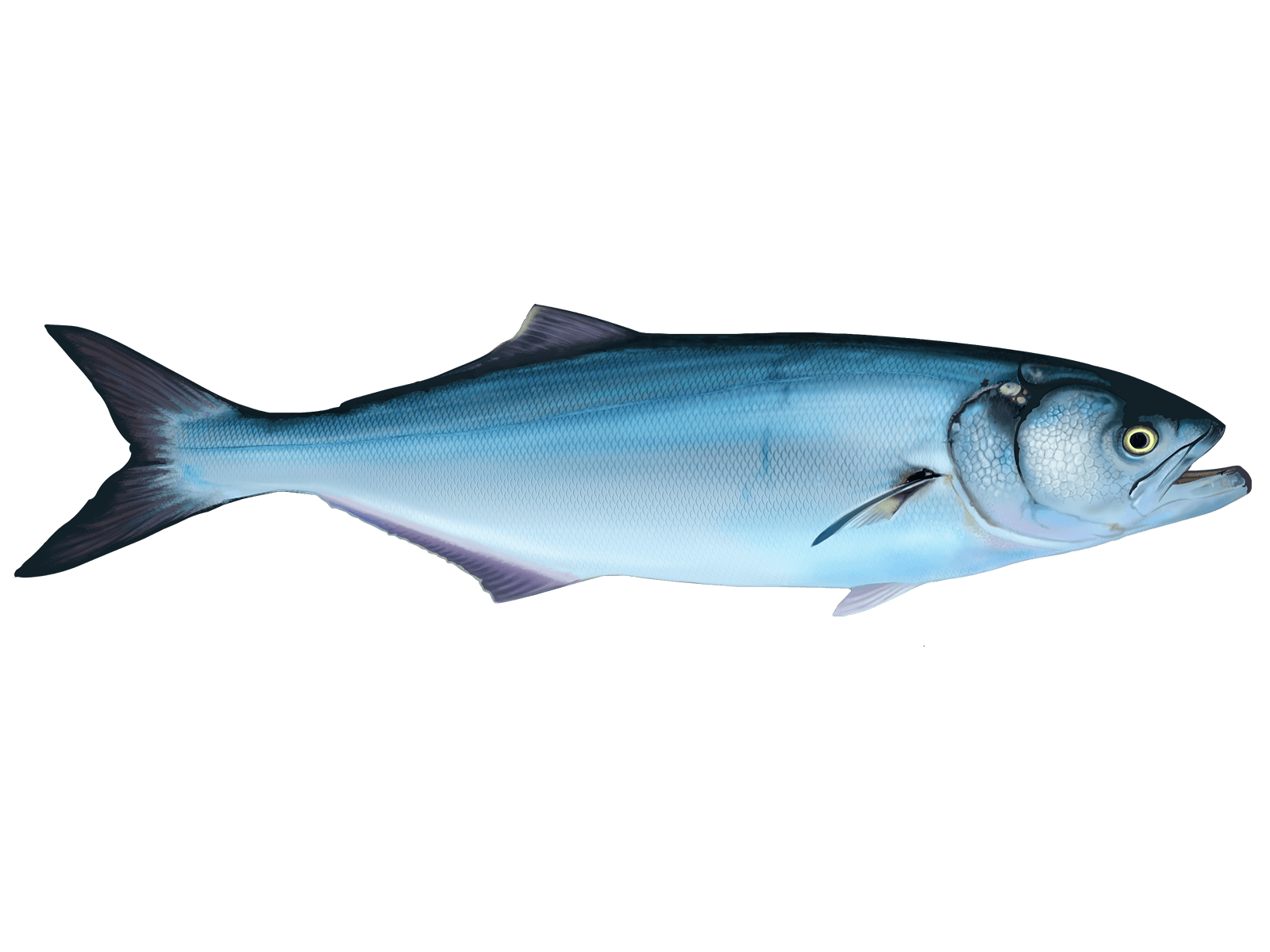
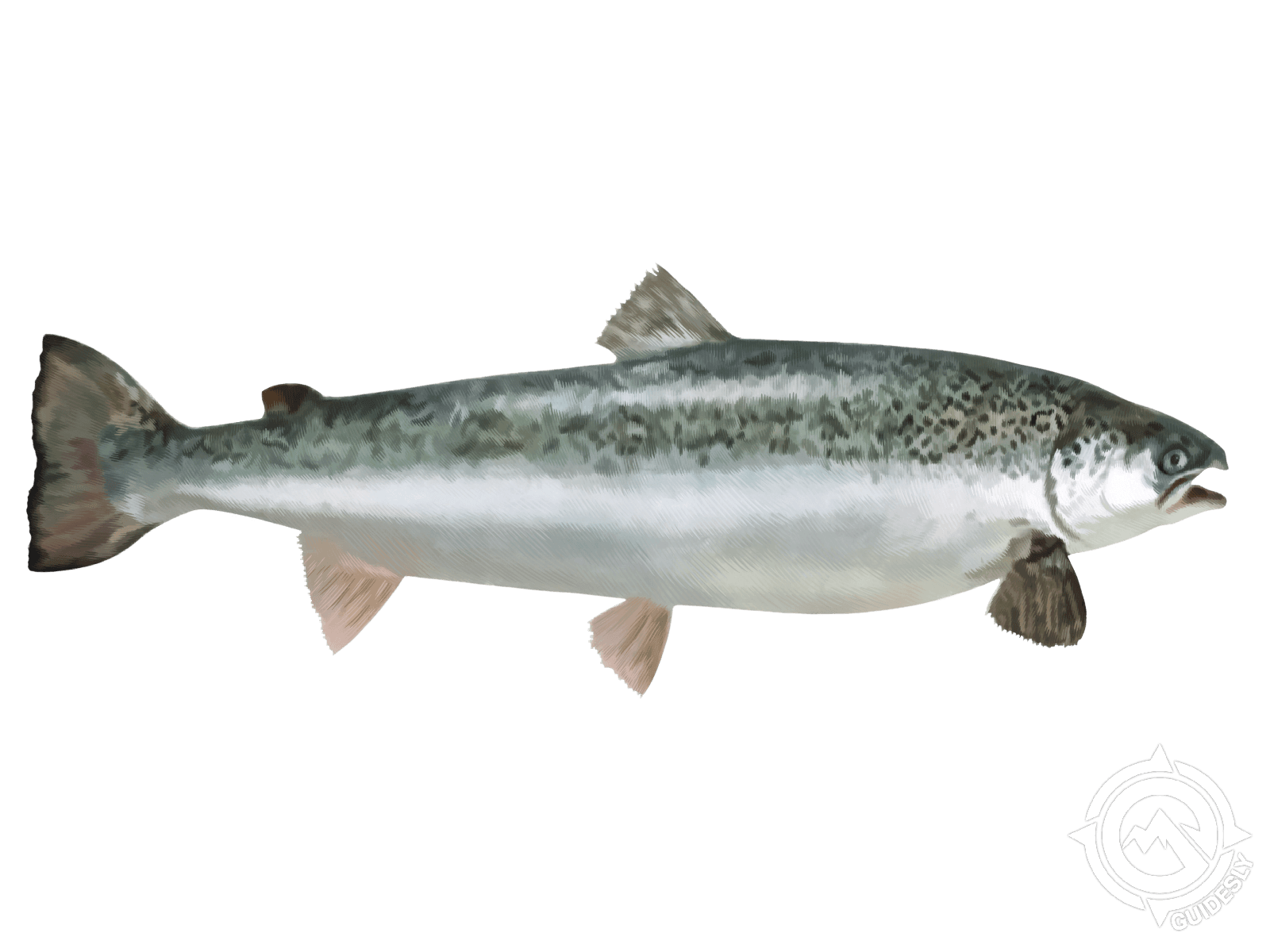
More species you can explore on this trip
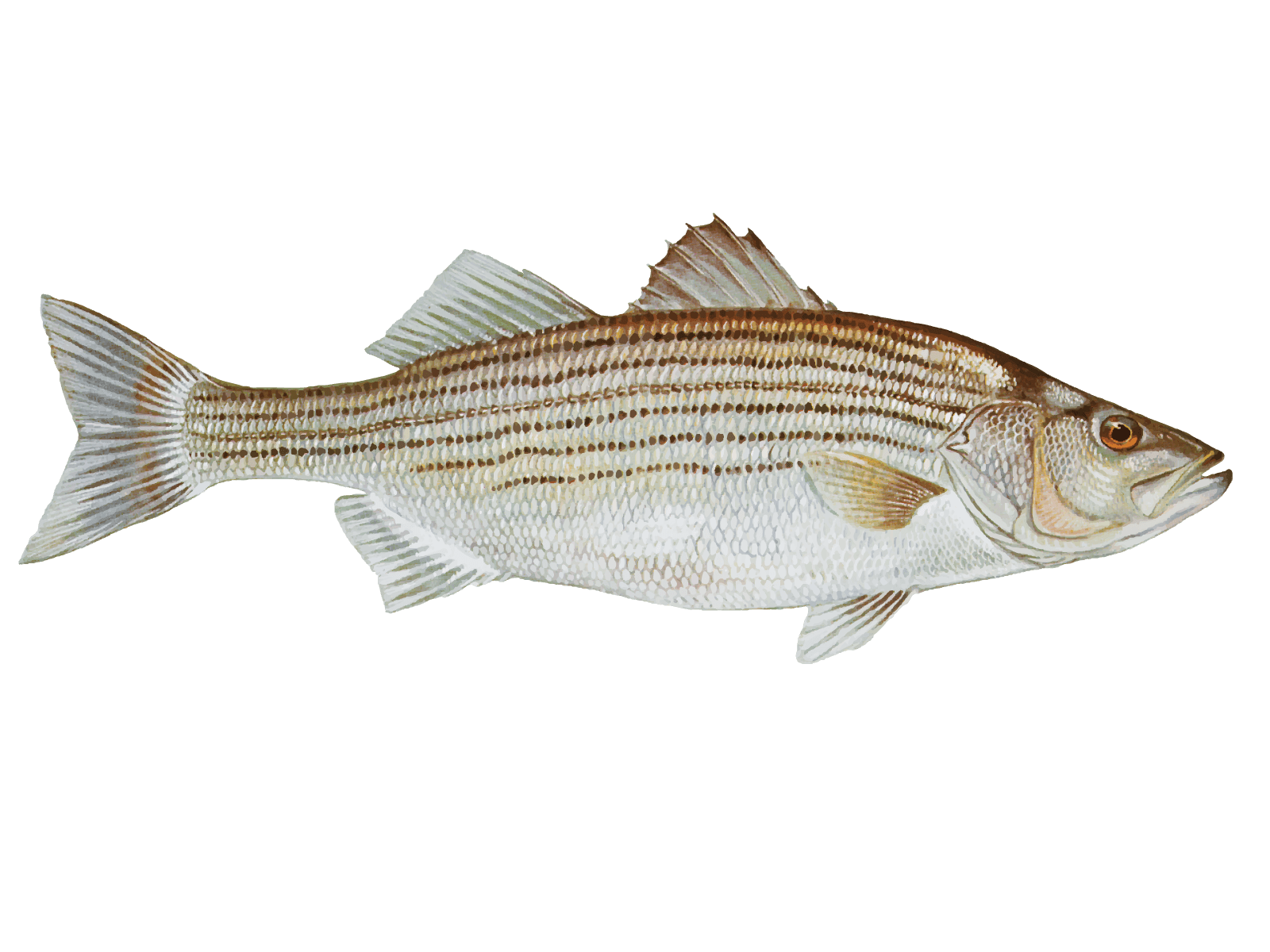
Pamlico Pirate Fishing Charters Available Trips
Other customer memories from this trip
Captain Dave's 2025 Parker SE is built specifically for the shallow-water redfish game. This boat sneaks into areas where deeper hulls get stuck, letting you access prime flats and grass-lined banks where the big redfish hang out. The design gives three anglers plenty of space to fish comfortably without tangling lines or bumping into each other, which makes a huge difference when you're fighting multiple fish in a day. You'll notice the boat's setup immediately - everything's organized for fishing efficiency, with rod holders positioned for quick access and smooth transitions between techniques. The electronics give Captain Dave the edge to stay on active fish, and the overall layout keeps you focused on what matters: staying connected to redfish. Whether the conditions call for sight-fishing or aggressive searching, the Parker SE responds instantly and handles the Neuse's shallow water with confidence. The ride stays relatively smooth even when you're pushing into tight spots, and you'll appreciate the stability when you're setting the hook on a charging bull red.