%2Ffit-in%2F250x250%2Fguide_websites%2F8615%2Fimages%2F17866375197415613b54f-dc7d-4728-9e84-1358d5003283.png&w=1920&q=100)
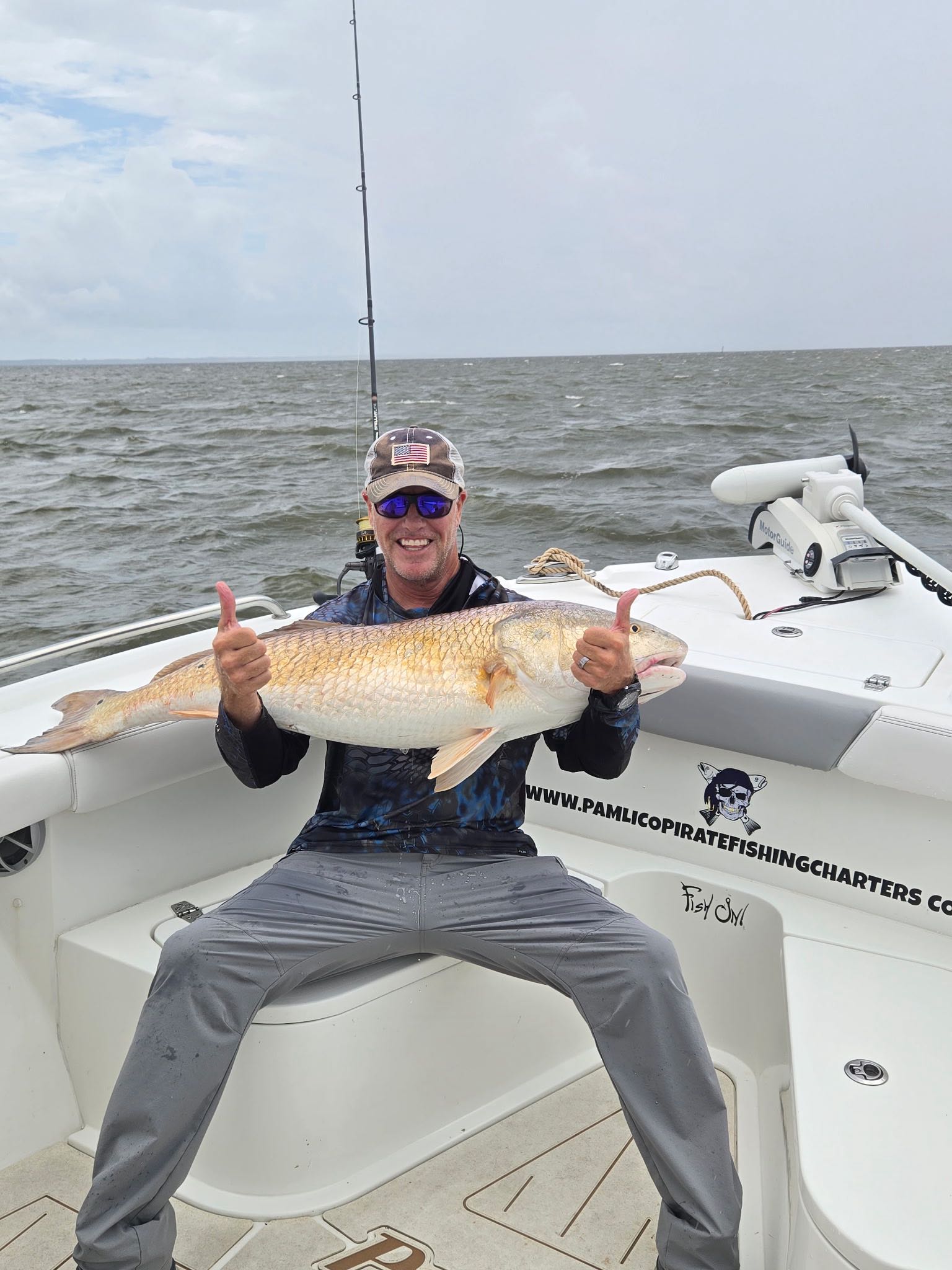
Caught a Redfish Inshore in Oriental Oriental
Redfish Fishing in Oriental, NC
%2F%2Fusers%2F792382ab-206e-4089-a7cf-5e417b469da6%2Fimages%2Fredfish-light-tackle-lawson-creek-4236.png&w=1920&q=75)
The Sciaenops Ocellatus belongs to the order Perciformes and family Sciaenidae. It typically measures between 30 and 61 inches in length, with a weight range from 10 to 45 lbs. Habitat: onshore, flats, backcountry, nearshore. - Redfish are also known as Red Drum and are prized gamefish along the Atlantic coast. - They can be identified by distinctive eyespots near the tail and copper-red coloration.
Fishing Charter by Captain Dave Hegel in August
Meet your Captain Dave Hegel
- The Ultimate North Carolina Fishing Trip!


Summary
Captain Dave Hegel of Pamlico Pirate Fishing Charters on Saturday May offers exceptional multi-species inshore fishing in Oriental's productive waters. This fishing charter targets redfish, speckled trout, flounder, striped bass, and bluefish across the Neuse River system and surrounding flats. With light tackle techniques and live bait presentations, anglers experience the diverse inshore bite that makes North Carolina's coast famous among fishing enthusiasts. From grass lines to structure fishing, each spot provides new opportunities for trophy catches. All gear, licenses, and local expertise included for a seamless day on the water. Perfect for anglers seeking variety and consistent action in one of the state's premier inshore fisheries.
Fishing Charter with Captain Dave Hegel – Rates & Booking
Captain Dave Hegel of Pamlico Pirate Fishing Charters on Saturday May provides comprehensive multi-species fishing experiences targeting redfish, speckled trout, flounder, and more. This licensed guide offers 6-hour trips departing from Lawson Creek Park, with all tackle, bait, and fishing licenses included. Groups up to 3 anglers can expect hands-on instruction and access to productive fishing grounds throughout the Neuse River system. Rates vary by season and group size—contact directly for current availability and pricing. Book your Oriental inshore fishing adventure today.
Highlights of New Bern, NC Multi-Species Fishing (Redfish, Trout, Flounder, Striper & Blues)
This charter combines the excitement of targeting multiple species with the scenic beauty of North Carolina's coastal rivers. Redfish provide the backbone of most trips, with their aggressive strikes and powerful runs creating memorable battles on light tackle. Speckled trout offer finesse fishing opportunities around grass beds and drop-offs, while flounder ambush presentations near structure. The variety keeps every cast interesting, whether you're working live bait along current seams or casting lures to visible fish.
Captain Dave's local knowledge spans decades of fishing these waters, from understanding seasonal patterns to reading water conditions. The Neuse River system offers protected fishing even when coastal waters turn rough, making this an ideal choice for consistent action. Spring and fall provide peak fishing, though summer and winter trips produce excellent results for anglers willing to adapt their techniques.
Local Species Insights: Redfish
Redfish thrive in Oriental's shallow waters, particularly around oyster bars, grass flats, and creek mouths where baitfish concentrate. These copper-colored fighters prefer water depths from 1-4 feet, making sight fishing possible on clear days. During May, warming water temperatures trigger increased feeding activity as redfish move into their prime shallow-water haunts. Captain Dave targets them with live shrimp, cut bait, and spoons worked along structure and current breaks. Their distinctive spotted tails and bronze coloration make them easy to identify, while their bulldogging fights test both tackle and angler skill.
Plan Your Fishing Charter Day
Your trip launches from Lawson Creek Park with Captain Dave providing a fully equipped boat suitable for inshore conditions. All fishing gear, tackle, and North Carolina fishing licenses are included, along with ice and fish cleaning services. The boat accommodates up to 3 anglers comfortably, with safety equipment and local knowledge ensuring a productive day. Trips typically run 6 hours, allowing time to work multiple spots and target different species as conditions dictate. Bring sunscreen, snacks, and drinks—everything else is handled by your experienced guide.
Fishing in North Carolina: Redfish
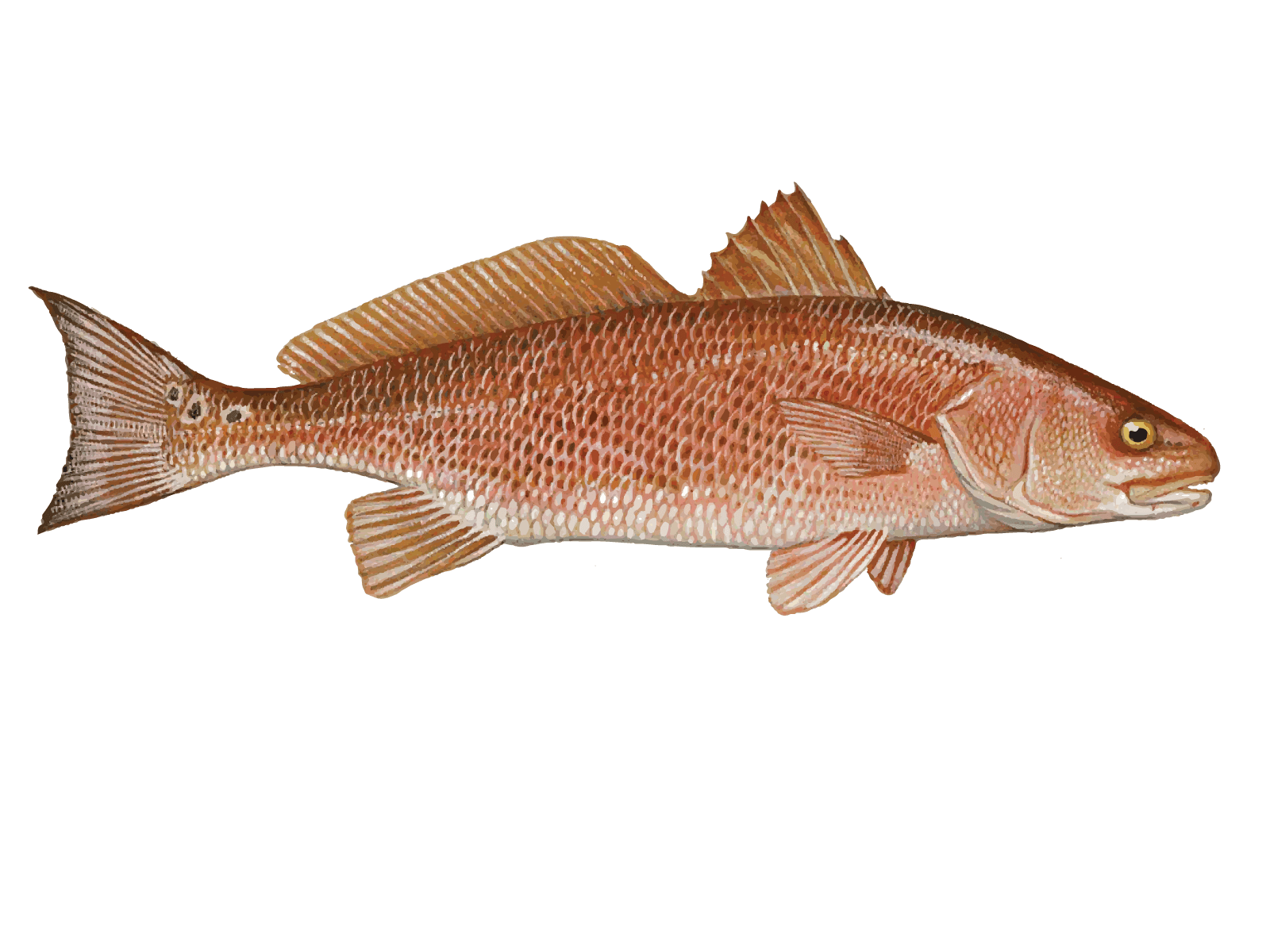
Redfish (Sciaenops ocellatus), also known as Red Drum, are iconic gamefish found along the Atlantic Ocean coastlines of the United States. Members of the Perciformes order and Sciaenidae family, these copper-colored fighters are easily identified by their distinctive eyespots near the tail and reddish back that fades to a white belly. In Oriental waters this May, redfish provide some of the most exciting inshore fishing opportunities available to North Carolina anglers.
Redfish Overview
Redfish represent the pinnacle of inshore gamefish, combining aggressive feeding behavior with powerful fighting ability. These drum family members can live over 40 years and grow to impressive sizes, though most caught in Oriental waters range from 18-30 inches. Their popularity stems from their willingness to eat a variety of baits, their spectacular fights, and their excellent table fare when harvested within slot limits.
Redfish Habitat and Distribution
These adaptable fish thrive in shallow coastal waters, preferring depths from 1-4 feet around grass flats, oyster bars, and creek mouths. Oriental's extensive marsh system and the Neuse River provide ideal redfish habitat, with varying salinity levels and abundant forage. They move with tides and seasons, concentrating around structure during cooler months and spreading across flats when water temperatures rise.
Redfish Size and Weight
Adult redfish typically range from 30-61 inches in length, weighing between 10-45 pounds at maturity. Most Oriental catches fall into the 18-27 inch slot limit range, providing excellent sport while protecting the breeding population. Trophy-sized fish over 30 inches, called bull reds, occasionally appear in deeper channels and nearshore waters.
Redfish Diet and Behavior
Redfish are opportunistic feeders, consuming crabs, shrimp, small fish, and marine worms. They use their downturned mouths to root through bottom sediments, often creating visible mud clouds while feeding. Peak feeding occurs during moving tides, particularly around dawn and dusk when baitfish are most active in shallow areas.
Redfish Spawning Season
Spawning occurs in nearshore waters from late summer through fall, when water temperatures range from 70-80 degrees. During this period, large schools of adult redfish gather in deeper channels before moving offshore to spawn, creating spectacular fishing opportunities for anglers targeting trophy-sized fish.
Redfish Fishing Techniques
Successful redfish techniques include sight fishing with spoons and soft plastics, bottom fishing with live or cut bait, and working topwater lures over shallow flats. Live shrimp, finger mullet, and blue crabs produce consistent results, while gold spoons and red jigs trigger reaction strikes. In May around Oriental, anglers find them concentrated near creek mouths and grass lines where warming water draws baitfish.
Redfish Is It Good to Eat?
Redfish within the slot limit offer excellent table fare, with firm white meat and mild flavor. The flesh is lean and versatile, suitable for grilling, blackening, or frying. Rich in protein and omega-3 fatty acids, redfish provide healthy dining options when prepared fresh. Larger fish tend to be less desirable for eating due to texture changes with age.
Redfish Frequently Asked Questions
Q: What is the best bait for redfish?
A: Live shrimp and cut mullet are top producers, though redfish also respond well to live crabs, finger mullet, and artificial lures like spoons and soft plastics.
Q: Where can I find redfish near Oriental?
A: Look for redfish around oyster bars, grass flats, creek mouths, and shallow areas of the Neuse River system, particularly during moving tides.
Q: Is redfish good to eat?
A: Yes, slot-sized redfish (18-27 inches in NC) offer excellent eating with firm, mild-flavored white meat that's perfect for various cooking methods.
Q: When is the best time to catch redfish?
A: Spring through fall provides peak action, with May through October offering the most consistent fishing as water temperatures warm and baitfish become active.
Pamlico Pirate Fishing Charters Available Trips
Other customer memories from this trip
Captain Dave operates a well-maintained inshore fishing boat designed for the shallow waters around Oriental and the Neuse River system. The vessel features a shallow draft perfect for accessing grass flats and creek mouths where redfish and trout feed. With comfortable seating for up to 3 anglers, the boat includes all necessary safety equipment, fish boxes, and rod holders. The boat's design allows for both sight fishing in skinny water and working deeper channels when targeting striped bass and flounder.