%2Ffit-in%2F250x250%2Fguide_websites%2F8615%2Fimages%2F17866375197415613b54f-dc7d-4728-9e84-1358d5003283.png&w=1920&q=100)
Caught a Trophy Redfish Inshore in Oriental
Redfish Fishing in Oriental, NC
4.9

8 Reviews
- 5
 88%
88% - 413%
- 3
 0%
0% - 20%
- 10%
%2F%2Fusers%2F792382ab-206e-4089-a7cf-5e417b469da6%2Fimages%2Fredfish-light-tackle-oriental-nc-9250.png&w=1920&q=75)
The Sciaenops Ocellatus belongs to the order Perciformes and family Sciaenidae. It typically measures between 30 and 61 inches in length, with a weight range from 10 to 45 lbs. Habitat: onshore, flats, backcountry, nearshore. - Redfish are also known as Red Drum and are prized game fish. - They can be identified by distinctive eyespots near the tail. - These fish have red-colored backs that fade to white bellies.
Fishing Charter by Captain Dave Hegel in August
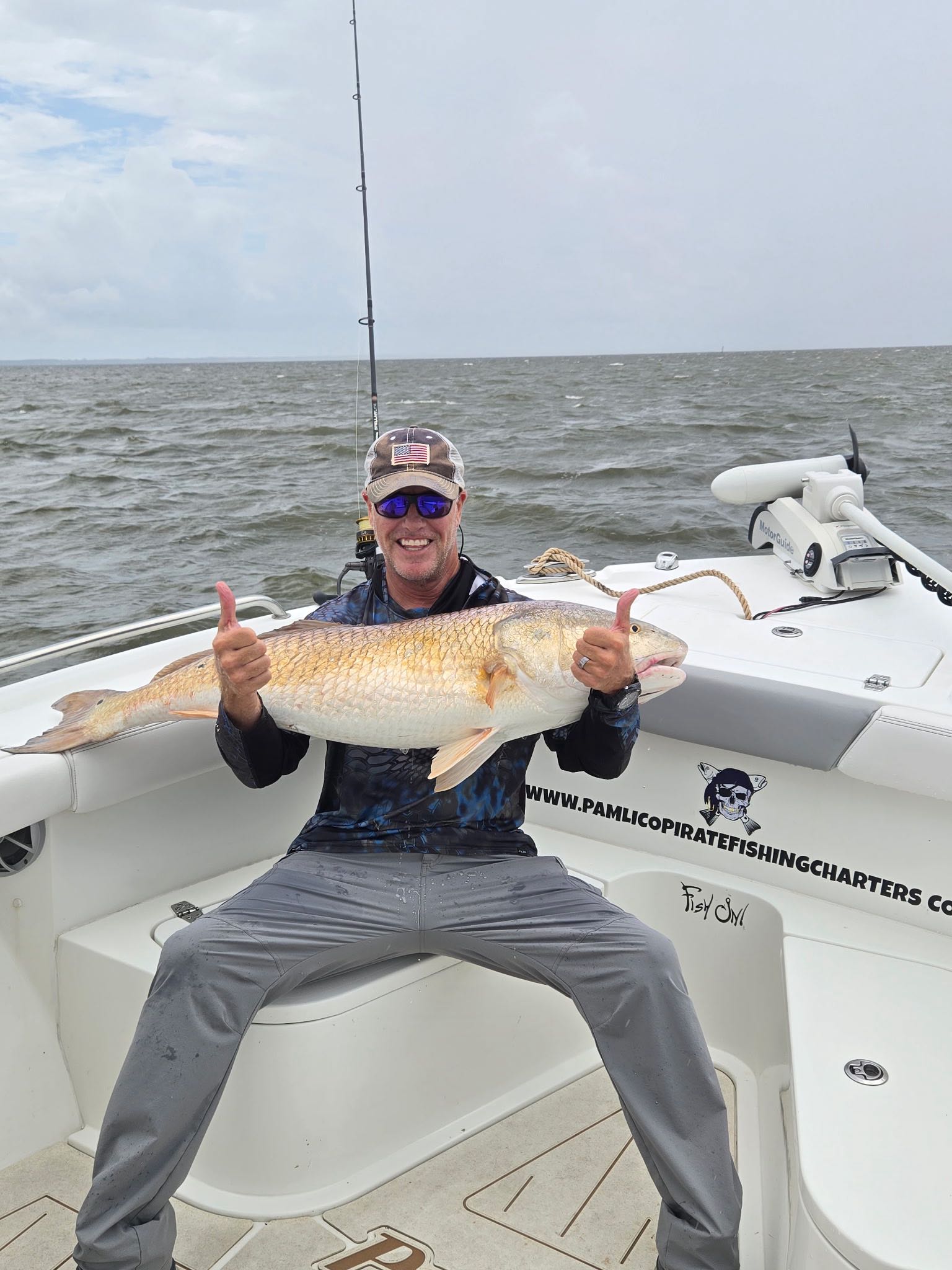
Meet your Captain Dave Hegel
- The Ultimate North Carolina Fishing Trip!


Summary
Captain Dave Hegel of Pamlico Pirate Fishing Charters on Thursday July offers professional inshore fishing targeting trophy Bull Redfish and Tarpon in Oriental's legendary Pamlico Sound and Neuse River waters. This North Carolina fishing charter specializes in the summer migration when massive Old Drum redfish move in from the Atlantic, creating world-class fishing opportunities from July through August. With all gear included and expert local knowledge, anglers experience the best inshore fishing North Carolina has to offer during peak season. The charter accommodates up to three guests and includes fishing licenses, quality tackle, and proven techniques from popping corks to artificial lures and cut bait when conditions demand it.
Fishing Charter with Captain Dave – Rates & Booking
Captain Dave of Pamlico Pirate Fishing Charters on Thursday July delivers exceptional inshore fishing experiences targeting trophy Bull Redfish and Tarpon in Oriental's productive waters. This professional North Carolina fishing charter runs from July through August during peak migration season, when massive Old Drum redfish and powerful Tarpon move into the Pamlico Sound from the Atlantic. The charter accommodates up to three guests with all fishing licenses included, plus quality tackle and expert instruction. Captain Dave guides you to multiple productive spots using proven methods including popping corks, artificial lures, and cut bait techniques. Book online to secure your dates during this prime fishing window.
Highlights of Professional Inshore Fishing Charter North Carolina for Trophy Redfish (Old Drum/Bull Drum) and Tarpon (July- August)
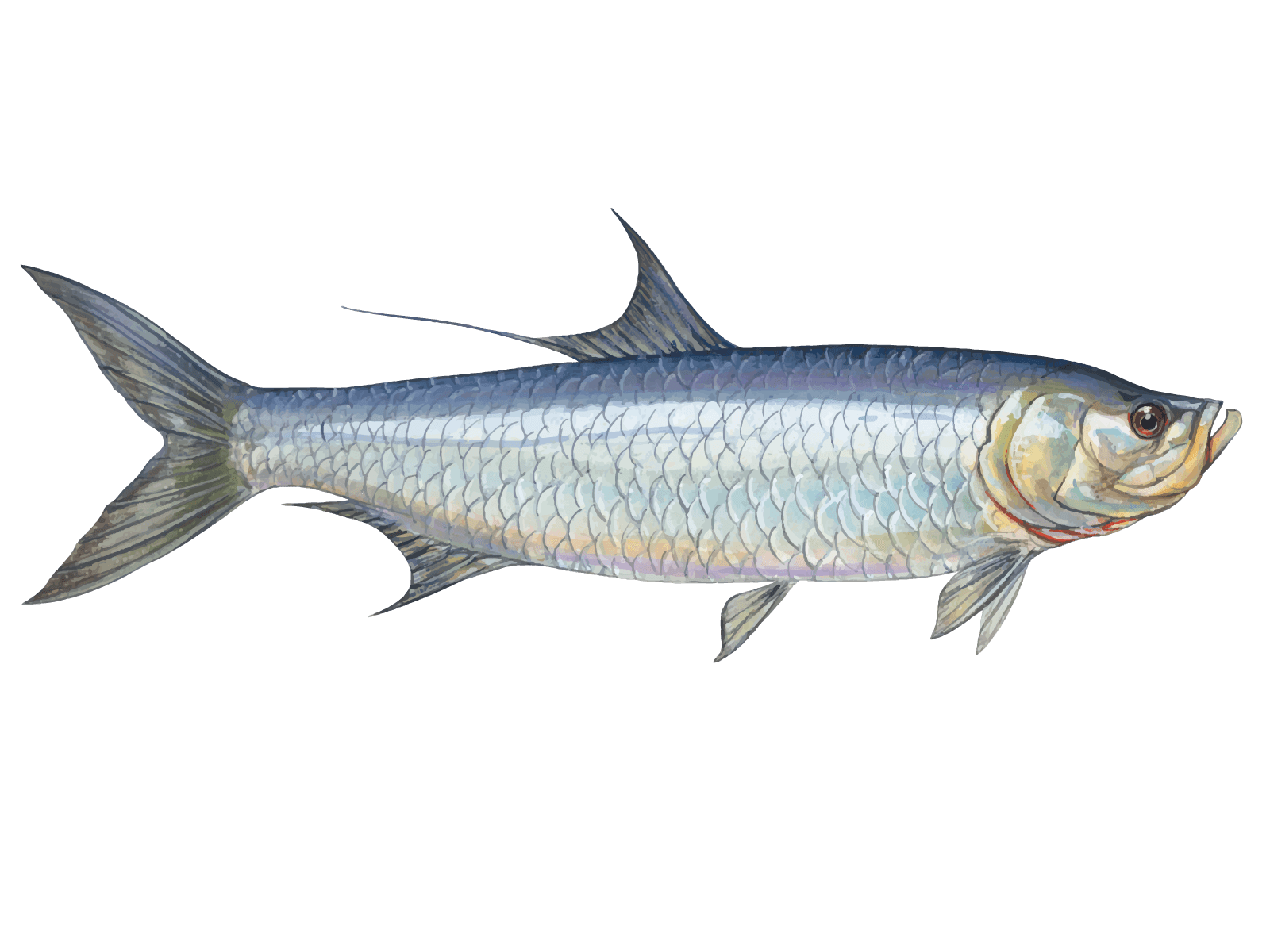
This summer charter targets two of the East Coast's most sought-after species during their annual migration into North Carolina's inshore waters. The Pamlico Sound and Neuse River system creates ideal habitat for trophy Bull Redfish, locally known as Old Drum, which can exceed 40 pounds. Tarpon fishing adds another dimension of excitement, with these silver kings providing explosive fights in the shallow flats and channels around Oriental.
Captain Dave's local expertise shines through his knowledge of seasonal patterns, productive structures, and the most effective techniques for each species. Whether you're sight-casting to cruising redfish on the flats or working deeper channels for Tarpon, this charter adapts to conditions and fish behavior throughout the day.
Local Species Insights: Redfish
Redfish in Oriental's waters follow predictable seasonal patterns, with the largest specimens arriving in July as part of their spawning migration. These trophy Bull Redfish, often called Old Drum when they exceed 27 inches, cruise the shallow flats and deeper channels of the Pamlico Sound system. The partly cloudy conditions common during summer months actually create ideal fishing scenarios, as redfish become more active when not under bright sun. Captain Dave targets these fish using a variety of techniques, from sight-casting with artificial lures on the flats to bottom fishing with cut bait in deeper water, adjusting approach based on tides, weather, and fish behavior.
Plan Your Fishing Charter Day
Your North Carolina inshore fishing adventure begins with a morning departure from Oriental, positioning you in prime redfish habitat as these fish become active. The charter includes all necessary equipment, from quality rods and reels to a selection of proven lures and baits. Captain Dave provides fishing licenses for up to three guests, making this an all-inclusive experience perfect for families or small groups. Safety equipment and local knowledge ensure a comfortable day on the water, whether you're an experienced angler or new to saltwater fishing. The Pamlico Sound's protected waters offer excellent fishing conditions even when offshore waters become rough.
Fishing in North Carolina: Redfish
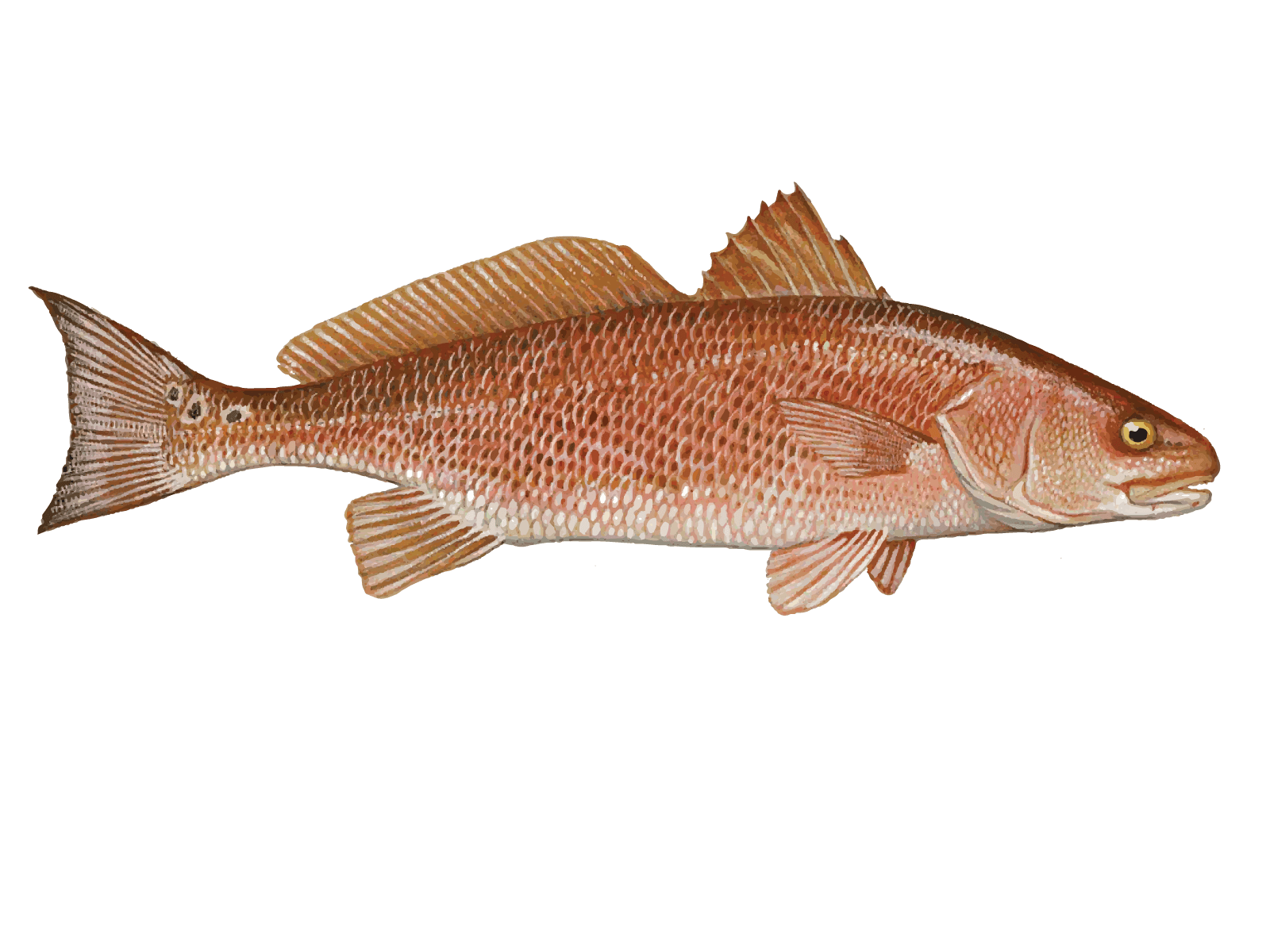
The Redfish (Sciaenops ocellatus), also known as Red Drum, belongs to the order Perciformes and family Sciaenidae. This prized game fish is found along Atlantic Ocean coastlines and can be identified by one or more distinctive eyespots near the tail and a copper-red back that fades to a white belly. In Oriental waters this July, anglers target these fish in the shallow flats and channels of the Pamlico Sound system.
Redfish Overview
Redfish are among the most sought-after inshore game fish along the Atlantic coast, prized for their fighting ability and excellent table fare. These drum family members can live over 40 years and grow to impressive sizes, with trophy specimens exceeding 40 pounds. Anglers value them for their accessibility in shallow water and their willingness to take both artificial lures and natural baits.
Redfish Habitat and Distribution
These fish prefer shallow coastal waters ranging from 1 to 4 feet deep, including grass flats, oyster bars, and tidal creeks. Around Oriental, North Carolina, redfish utilize the extensive Pamlico Sound system, moving between shallow feeding areas and deeper channels. They thrive in brackish water where rivers meet the sea, making the Neuse River confluence ideal habitat.
Redfish Size and Weight
Adult redfish typically measure 30 to 61 inches and weigh between 10 to 45 pounds. Fish under 27 inches are often called "slot reds" and are excellent for the table, while larger specimens known as "bull reds" or "Old Drum" are primarily catch-and-release trophy fish due to their reproductive importance.
Redfish Diet and Behavior
Redfish are opportunistic feeders that consume crabs, shrimp, small fish, and marine worms. They often feed by tailing in shallow water, creating visible disturbances as they root for prey in grass beds and sand flats. During summer months, they become more active during cooler parts of the day, particularly early morning and late afternoon.
Redfish Spawning Season
Spawning occurs from late summer through fall in nearshore waters, with large schools of mature fish gathering for this annual event. During July and August, pre-spawn fish move into inshore areas to feed heavily, creating excellent fishing opportunities as they prepare for the spawning migration.
Redfish Fishing Techniques
Successful redfish techniques include sight-casting with spoons and soft plastics on shallow flats, using popping corks with live or artificial baits, and bottom fishing with cut bait in deeper channels. In July around Oriental, anglers find success working the grass flats during incoming tides and targeting channel edges during slack water periods.
Redfish Is It Good to Eat?
Smaller redfish offer excellent table fare with firm, white meat and a mild flavor that works well grilled, blackened, or fried. The meat is lean and flaky, providing good protein content and omega-3 fatty acids. Larger bull reds are typically released due to their reproductive value and slightly coarser texture.
Redfish Frequently Asked Questions
Q: What is the best bait for redfish?
A: Live shrimp, cut mullet, and artificial lures like gold spoons and soft plastic paddle tails are most effective. Match your bait to the water depth and current conditions.
Q: Where can I find redfish near Oriental?
A: Focus on grass flats, oyster bars, and channel edges in the Pamlico Sound and Neuse River areas. Look for tailing fish in shallow water during calm conditions.
Q: Is redfish good to eat?
A: Slot-sized redfish (under 27 inches) are excellent table fare with mild, flaky white meat. Larger bull reds are typically released for conservation.
Q: When is the best time to catch redfish?
A: Early morning and late afternoon during summer months, with incoming tides often producing the best action in shallow water areas.
Pamlico Pirate Fishing Charters Available Trips
Other customer memories from this trip
Captain Dave's custom-built fishing boat is perfectly suited for chasing trophy redfish and tarpon in North Carolina's inshore waters. The spacious deck provides plenty of room for up to three anglers to cast comfortably. High-quality rods, reels, and tackle are neatly organized and ready for action. A raised helm station gives the captain excellent visibility to spot fish, while a shallow draft allows access to prime fishing spots in the Pamlico Sound and Neuse River. The boat's stable design handles choppy conditions with ease, ensuring a smooth ride. A live well keeps bait fresh, and an insulated fish box stores your catch. With ample shade and comfortable seating, you'll stay cool during those hot summer afternoons on the water. This well-equipped vessel has everything needed for successful fishing trips targeting Old Drum redfish and tarpon from July through August.