%2Ffit-in%2F250x250%2Fguide_websites%2F8615%2Fimages%2F17866375197415613b54f-dc7d-4728-9e84-1358d5003283.png&w=1920&q=100)
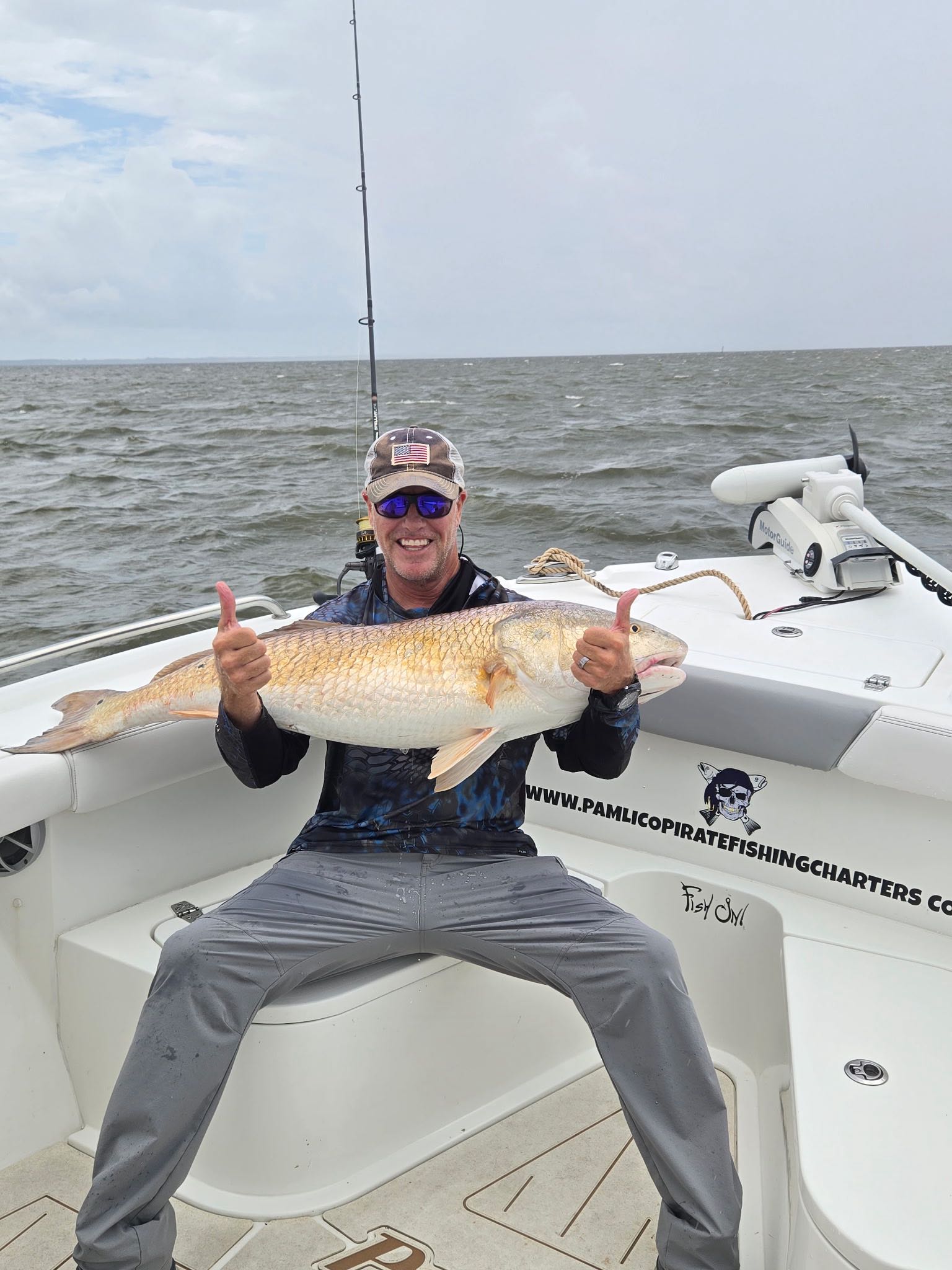
Caught a Redfish Inshore in Oriental Oriental
Redfish Inshore in Oriental
4.9

17 Reviews
- 5
 94%
94% - 46%
- 3
 0%
0% - 20%
- 10%
%2F%2Fusers%2F792382ab-206e-4089-a7cf-5e417b469da6%2Fimages%2Fredfish-light-tackle-oriental-nc-9577.png&w=1920&q=75)
The Sciaenops Ocellatus belongs to the order Perciformes and family Sciaenidae. It typically measures between 30 and 61 inches in length, with a weight range from 10 to 45 lbs. Habitat: onshore, flats, backcountry, nearshore. - Redfish are also known as Red Drum and are prized gamefish along Atlantic coastlines. - They can be identified by distinctive eyespots near the tail and copper-red coloration.
Fishing Charter by Captain Dave Hegel in August
Meet your Captain Dave Hegel
- The Ultimate North Carolina Fishing Trip!


Summary
Captain Dave Hegel of Pamlico Pirate Fishing Charters on Wednesday May offers exceptional inshore fishing adventures targeting redfish, speckled trout, bluefish, flounder, and striped bass in Oriental's productive waters. Operating from the Neuse River and Pamlico Sound, this multi-species fishing charter utilizes a brand new 2025 Parker SE designed for shallow water stalking and maximum catch ratios. Light tackle fishing techniques and local knowledge combine to deliver consistent action on North Carolina's premier inshore gamefish, with comfortable accommodations for up to 3 guests and all necessary gear provided for a memorable day on the water.
Fishing Charter with Captain Dave Hegel – Rates & Booking
Captain Dave Hegel of Pamlico Pirate Fishing Charters on Wednesday May specializes in multi-species inshore adventures targeting whatever's hot during your visit. This full-day charter accommodates up to 3 guests aboard a brand new 2025 Parker SE, specifically designed for shallow water fishing and equipped with all necessary tackle and gear. Licensed and experienced, Captain Dave focuses on the highest catch ratios by adapting to seasonal patterns and current conditions. Book online to secure your preferred date and experience the productive waters of the Neuse River and Pamlico Sound with a captain who loves hearing "Fish On!"
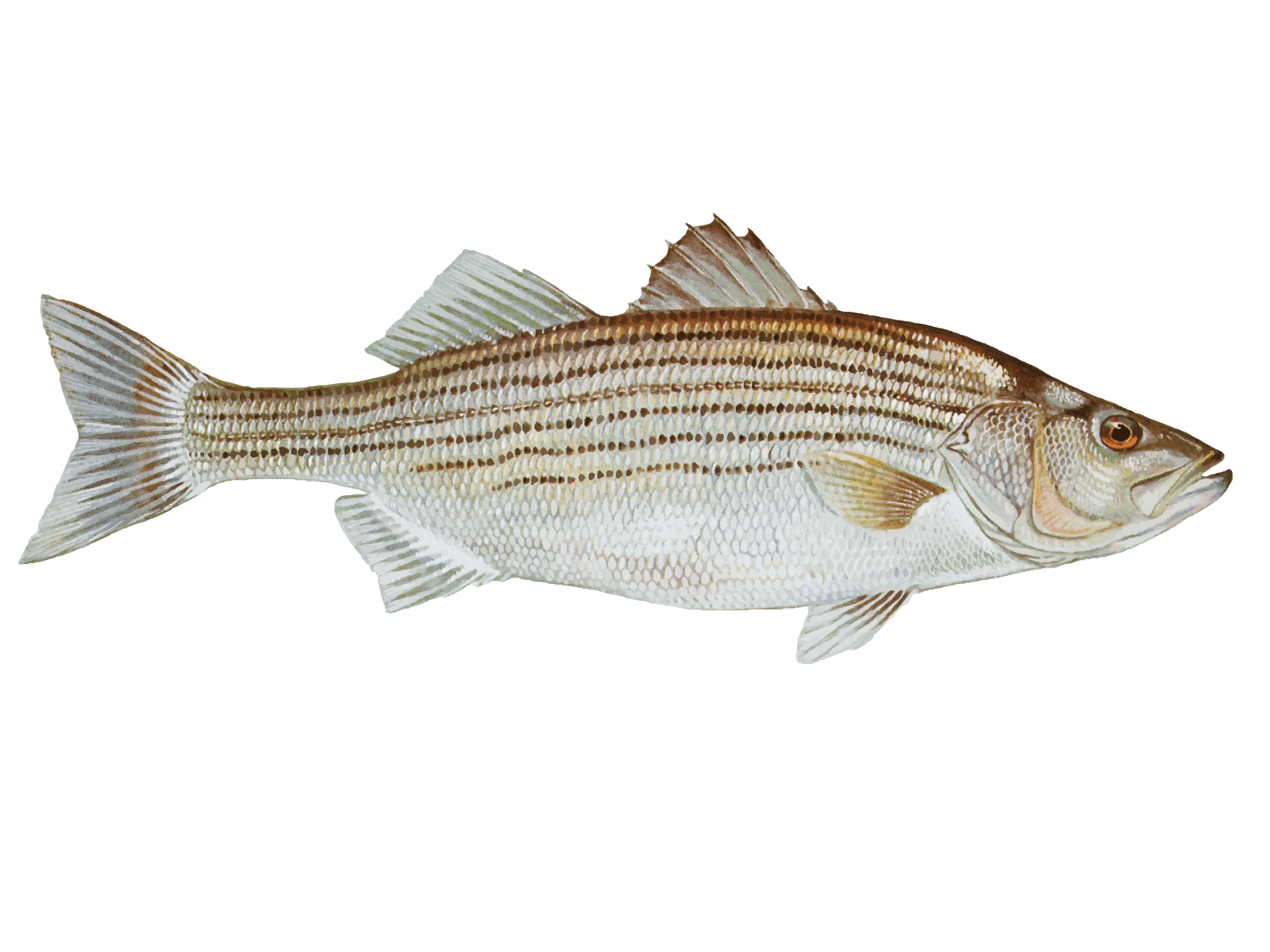
Highlights of NC Charter Multi-Species Fishing Adventure (Red Fish, Bluefish, Speckled Trout, Flounder & Striped Bass.)
The Neuse River system offers year-round fishing opportunities with bull redfish, slot reds, bluefish, and stripers as primary targets. Captain Dave's approach centers on "catching fish" by focusing on whatever species are most active during your trip. As part of the Parker Offshore Prostaff, he operates cutting-edge equipment designed to access shallow flats and backcountry areas where these inshore species thrive.
May represents prime time for spotted weakfish and redfish as warming waters trigger increased feeding activity. The shallow flats, creek mouths, and structure around Oriental provide ideal habitat for multiple species, allowing anglers to experience diverse action throughout the day while enjoying the scenic beauty of North Carolina's coastal waters.
Local Species Insights: Redfish
Redfish in Oriental waters exhibit classic inshore behavior, cruising shallow flats and structure in search of crabs, shrimp, and baitfish. These copper-colored gamefish provide excellent light tackle action, especially during May when they become more aggressive as water temperatures rise. Captain Dave's local knowledge pinpoints productive areas where redfish congregate, from grass flats to oyster bars, utilizing the Parker SE's shallow draft capabilities to access prime fishing zones that larger boats cannot reach.
Plan Your Fishing Charter Day
Your charter includes a fully equipped 2025 Parker SE with all fishing tackle, bait, and safety equipment provided. The vessel comfortably accommodates up to 3 guests with ample space for fighting fish and storing your catch. Departure times are scheduled based on tides and conditions, with Captain Dave providing pre-trip communication about weather, what to bring, and expectations for your specific date. The boat's design allows access to both open water and skinny flats, maximizing fishing opportunities regardless of conditions.
Fishing in North Carolina: Redfish
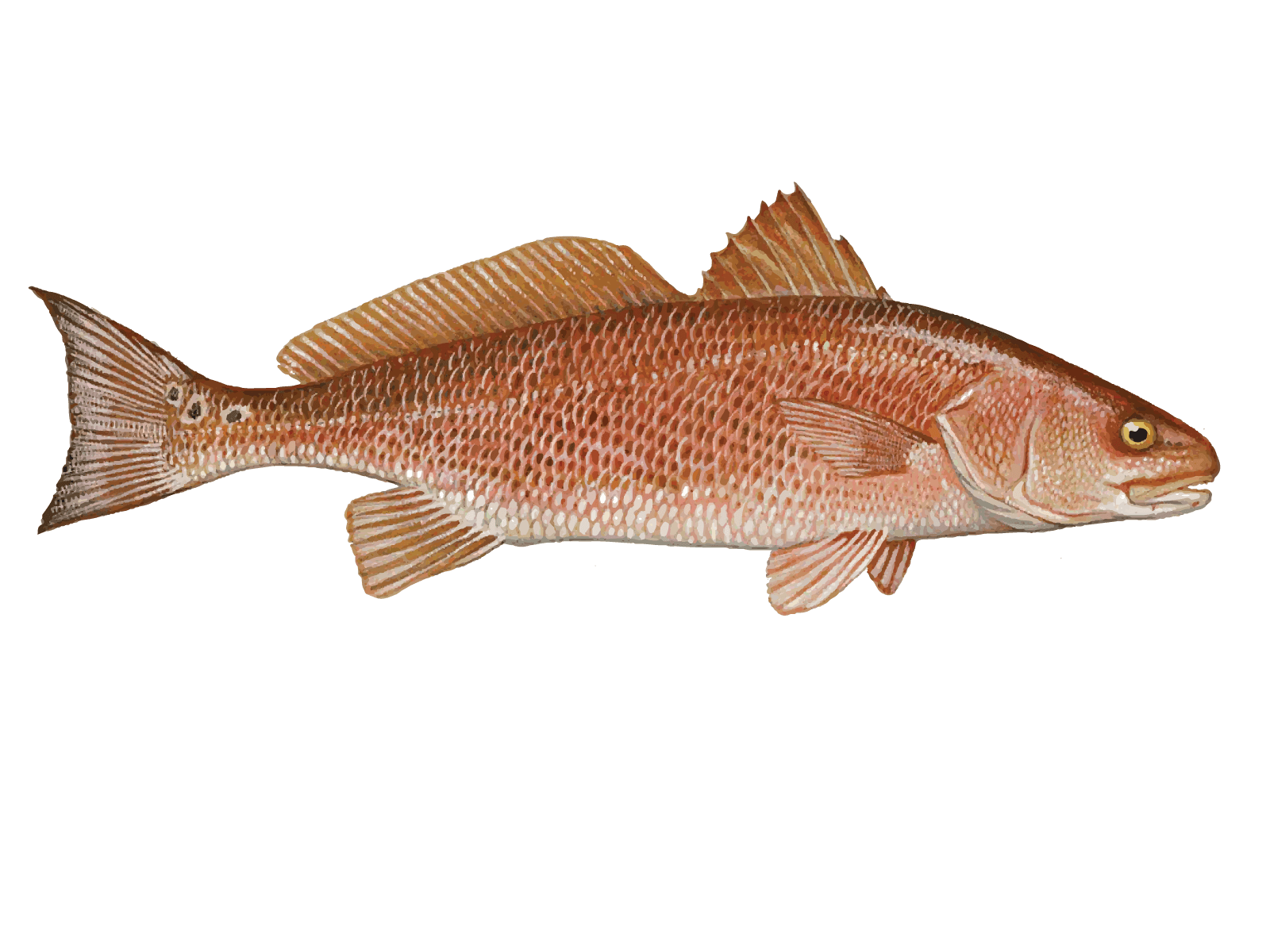
The Redfish (Sciaenops ocellatus), commonly known as Red Drum, belongs to the order Perciformes and family Sciaenidae. This iconic inshore gamefish is distinguished by its copper-bronze coloration that fades to white on the belly, along with one or more distinctive black eyespots near the tail. In Oriental waters this May, redfish have been particularly active as warming temperatures trigger increased feeding behavior along the shallow flats and creek systems.
Redfish Overview
Redfish represent one of the most sought-after inshore species along the Atlantic coast, prized for their fighting ability and excellent table fare. These drum family members can live over 40 years and grow to impressive sizes, with fish ranging from slot-sized specimens perfect for dinner to massive bull reds that test tackle and angler skill. Their adaptability to various salinity levels makes them abundant in North Carolina's diverse coastal environments.
Redfish Habitat and Distribution
Redfish thrive in shallow coastal waters including flats, backcountry creeks, nearshore reefs, and estuarine systems. Around Oriental, they frequent the productive waters of the Neuse River, Pamlico Sound, and associated tributaries where salinity levels and abundant forage create ideal conditions. These fish prefer depths from 1 to 4 feet but can be found in deeper channels and around structure when conditions dictate.
Redfish Size and Weight
Adult redfish typically measure between 30 and 61 inches in length, with weights ranging from 10 to 45 pounds. Slot-sized fish (generally 18-27 inches) provide excellent eating, while oversized bull reds offer trophy potential and incredible fights on appropriate tackle.
Redfish Diet and Behavior
Redfish are opportunistic feeders that consume crabs, shrimp, mullet, menhaden, and various baitfish. They often feed by tailing in shallow water, creating visible disturbances as they root for crabs and other bottom-dwelling prey. Peak feeding typically occurs during moving tides, particularly around dawn and dusk when baitfish are most active.
Redfish Spawning Season
Redfish spawn in nearshore waters during late summer and fall, with peak activity occurring when water temperatures range from 70-80°F. During spawning, large schools of adult fish gather in deeper channels and passes, creating spectacular fishing opportunities for anglers targeting trophy-sized specimens.
Redfish Fishing Techniques
Successful redfish techniques include sight fishing with live bait, artificial lures like spoons and soft plastics, and bottom fishing with cut bait. Popular methods involve casting to visible fish on flats, working creek mouths with moving tides, and targeting structure with jigs or live shrimp. In May around Oriental, anglers find success using light tackle to target redfish near oyster bars and grass flats where they feed aggressively.
Redfish Is It Good to Eat?
Slot-sized redfish offer excellent table fare with firm, white meat and mild flavor that works well grilled, blackened, or fried. The flesh is lean and flaky when cooked properly, providing high-quality protein with beneficial omega-3 fatty acids. Larger bull reds are typically released due to their reproductive importance and slightly coarser texture.
Redfish Frequently Asked Questions
Q: What is the best bait for redfish?
A: Live shrimp, cut mullet, and blue crab are top natural baits, while gold spoons, soft plastic jigs, and topwater plugs excel as artificials.
Q: Where can I find redfish near Oriental?
A: Focus on shallow flats, oyster bars, creek mouths, and grass beds in the Neuse River and Pamlico Sound systems where they feed regularly.
Q: Is redfish good to eat?
A: Slot-sized redfish (18-27 inches) provide excellent eating with mild, firm white meat perfect for various cooking methods.
Q: When is the best time to catch redfish?
A: Moving tides during dawn and dusk typically produce the best action, with spring and fall offering peak fishing opportunities in North Carolina waters.
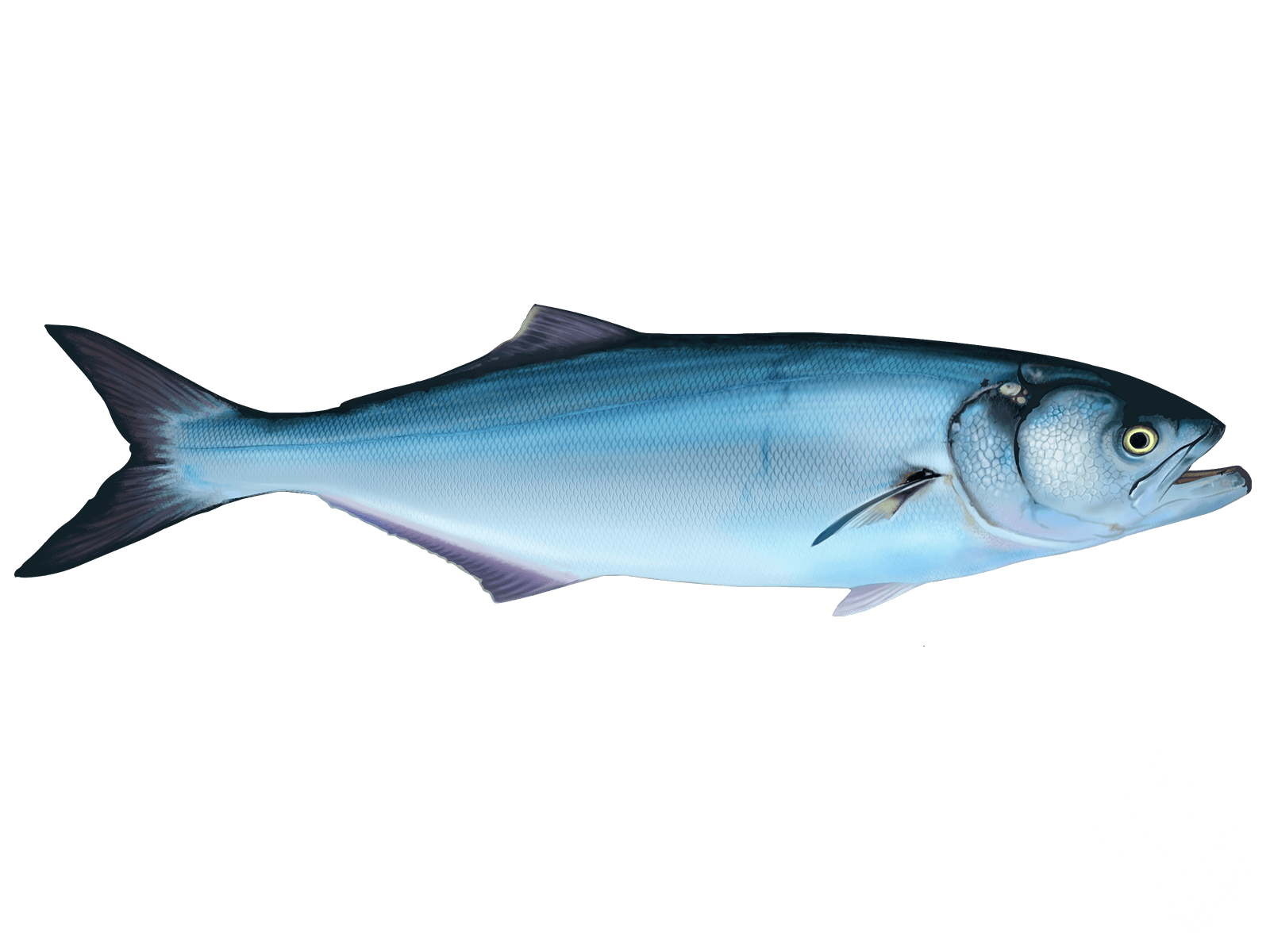
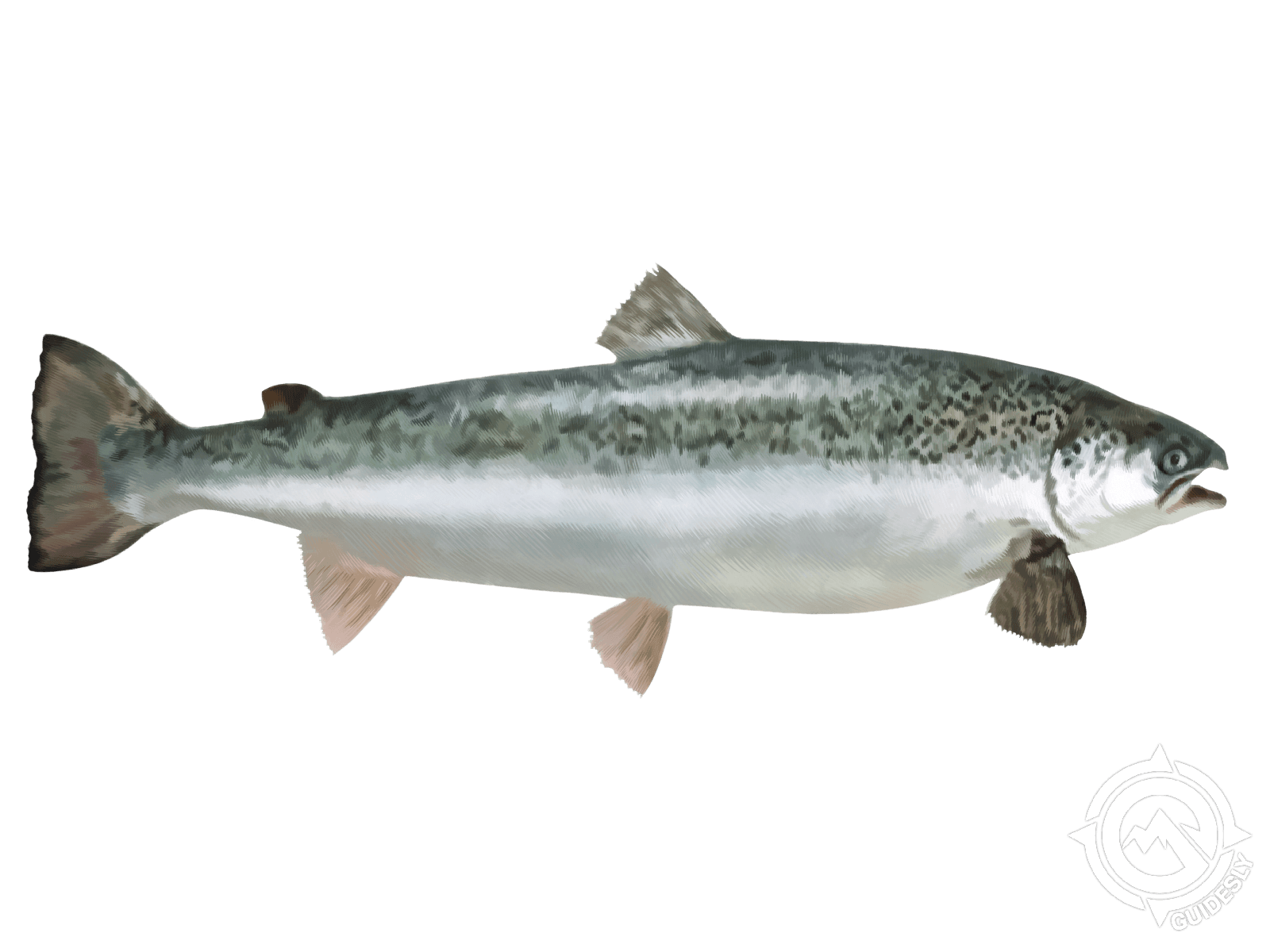
More species you can explore on this trip
Pamlico Pirate Fishing Charters Available Trips
Other customer memories from this trip
Captain Dave operates a brand new 2025 Parker SE as part of the Parker Offshore Prostaff, specifically chosen for its shallow water capabilities and inshore fishing design. This vessel excels at sneaking into the skinny flats and backcountry areas around Oriental where redfish, speckled trout, and other inshore species feed. The boat comfortably handles up to 3 guests with plenty of room for fighting fish and features all the tackle setups needed for light tackle fishing success. Built for both comfort and performance, the Parker SE allows access to productive fishing zones that larger boats simply cannot reach, giving you the advantage when targeting North Carolina's premier inshore gamefish in the Neuse River and Pamlico Sound systems.