%2Ffit-in%2F250x250%2Fguide_websites%2F8615%2Fimages%2F17866375197415613b54f-dc7d-4728-9e84-1358d5003283.png&w=1920&q=100)
Caught a Whitespotted Eagle Ray Inshore in Oriental
Whitespotted Eagle Ray Inshore in Oriental
4.9

17 Reviews
- 5
 94%
94% - 46%
- 3
 0%
0% - 20%
- 10%
%2F%2Fusers%2F792382ab-206e-4089-a7cf-5e417b469da6%2Fimages%2Fbest-fishing-301-midyette-st-10245.png&w=1920&q=75)
The Aetobatus Narinari belongs to the order Myliobatiformes and family Aetobatidae. It typically measures between 70 and 132 inches in length, with a weight range from 200 to 507 lbs. - Habitat: onshore, nearshore, surf zones. - Distinguished by white spots covering the dark upper body. - Features a distinctive flat, rounded snout resembling a duck's bill. - Found in tropical waters worldwide including North Carolina coastal areas.
Fishing Charter by Captain Dave Hegel in December
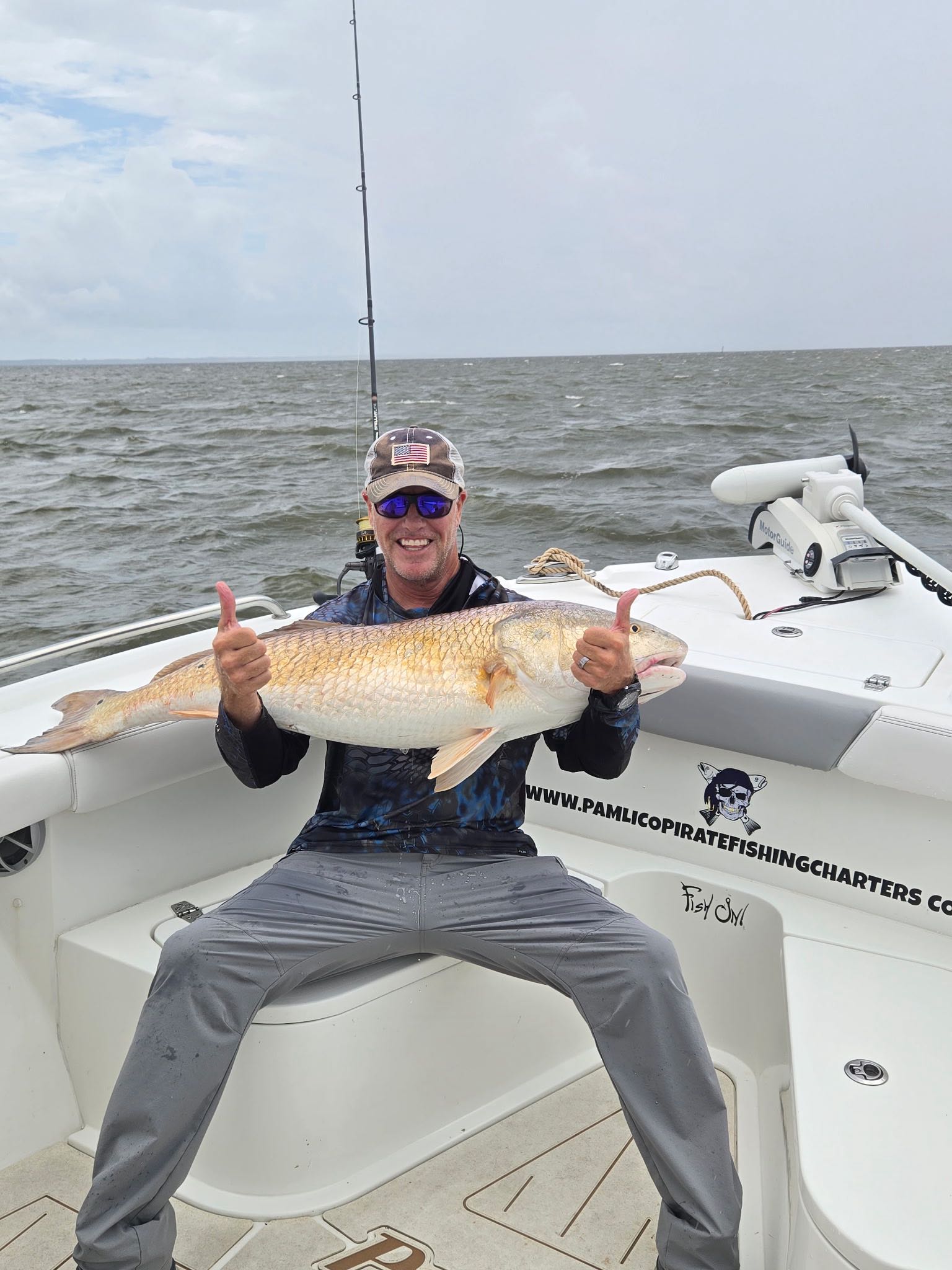
Meet your Captain Dave Hegel
- The Ultimate North Carolina Fishing Trip!


Summary
Captain Dave Hegel of Pamlico Pirate Fishing Charters on Friday May offers exceptional inshore fishing adventures targeting the diverse species of the Pamlico Sound and Neuse River. This NC Charter Multi-Species Fishing Adventure focuses on redfish, speckled trout, flounder, striped bass, and seasonal catches like the impressive Whitespotted Eagle Ray. Operating from Oriental, North Carolina, Captain Dave utilizes light tackle techniques and fly fishing methods to maximize your catch ratio in these productive inshore waters. The charter accommodates up to 3 guests aboard a brand new 2025 Parker SE designed specifically for shallow water stalking and comfort during your full-day fishing experience. Whether you're targeting slot redfish in the creek mouths or working the flats for speckled trout, this guided fishing charter delivers consistent action with professional instruction and all necessary gear included for your North Carolina fishing adventure.
Fishing Charter with Captain Dave Hegel – Rates & Booking
Captain Dave Hegel of Pamlico Pirate Fishing Charters on Friday May provides comprehensive inshore fishing experiences targeting multiple species throughout the Pamlico Sound and Neuse River systems. This full-day charter accommodates up to 3 guests with all tackle, bait, and professional guidance included. Captain Dave's expertise in light tackle and fly fishing techniques ensures productive sessions whether conditions favor redfish in the shallows or speckled trout along the grass lines. The charter operates from Oriental with flexible departure times to match optimal tide and weather windows. Licensed and experienced, Captain Dave focuses on putting clients on active fish while teaching effective techniques for future success. Contact directly for current rates, availability, and booking your NC Charter Multi-Species Fishing Adventure.
Highlights of NC Charter Multi-Species Fishing Adventure (Red Fish, Bluefish, Speckled Trout, Flounder & Striped Bass.)
The Neuse River and Pamlico Sound system offers year-round fishing opportunities with seasonal peaks that Captain Dave leverages for maximum success. Spring and fall months provide exceptional action for slot redfish, while summer brings consistent speckled trout and flounder activity. The charter targets whatever species are most active, adapting techniques from fly fishing presentations to light tackle casting based on conditions and fish behavior. Captain Dave's approach emphasizes catch variety, ensuring guests experience the full spectrum of inshore species available in these North Carolina waters.
Operating a brand new 2025 Parker SE as part of the Parker Offshore Prostaff, Captain Dave's vessel is specifically designed for shallow water access and fish stalking capabilities. The boat's layout provides comfortable fishing positions for up to 3 anglers while maintaining the stealth necessary for approaching wary inshore species. All fishing equipment is provided, including specialized tackle for targeting different species throughout the day.
Local Species Insights: Whitespotted Eagle Ray
The Whitespotted Eagle Ray represents one of the most exciting encounters possible during North Carolina inshore fishing adventures. These impressive rays inhabit the nearshore and surf zones around Oriental, often moving into shallow flats during feeding periods. Their distinctive white-spotted pattern and graceful swimming motion make them unmistakable when encountered. Captain Dave's knowledge of their seasonal movements and preferred habitat increases opportunities for these memorable catches during your charter experience.
Plan Your Fishing Charter Day
Your NC Charter Multi-Species Fishing Adventure begins with a pre-trip consultation to discuss target species, techniques, and current conditions. Captain Dave provides all necessary tackle, bait, and safety equipment aboard the Parker SE, which features comfortable seating and ample fishing space for up to 3 guests. Departure times are scheduled to optimize tide and weather conditions, typically ranging from early morning to accommodate peak feeding periods. The charter includes professional instruction in various techniques including fly fishing, bait casting, and light tackle methods. Guests should bring sun protection, beverages, and snacks for the full-day experience on the water.
Fishing in North Carolina: Whitespotted Eagle Ray

The Whitespotted Eagle Ray (Aetobatus narinari) is a magnificent cartilaginous fish belonging to the order Myliobatiformes and family Aetobatidae. This impressive ray species features a distinctive flat body with dark greenish to black coloration on top, contrasted by a bright white underside, and is easily identified by the characteristic white spots scattered across its dorsal surface. In Oriental waters this May, these graceful creatures move through nearshore and surf zones, creating exciting opportunities for charter fishing encounters.
Whitespotted Eagle Ray Overview
The Whitespotted Eagle Ray stands out as one of the most recognizable ray species due to its striking appearance and impressive size. These rays are highly mobile, often seen gliding effortlessly through shallow coastal waters where they feed on mollusks, crustaceans, and marine worms. Anglers value encounters with these rays not for table fare, but for the incredible experience of witnessing these ocean giants in their natural habitat.
Whitespotted Eagle Ray Habitat and Distribution
These rays prefer tropical and subtropical waters worldwide, with North Carolina representing the northern edge of their regular range. Around Oriental, they frequent nearshore waters, surf zones, and shallow flats where they forage for food. During warmer months, they move closer to shore and into estuarine systems like the Pamlico Sound, making encounters more likely during inshore fishing charters.
Whitespotted Eagle Ray Size and Weight
Adult Whitespotted Eagle Rays typically measure between 70 and 132 inches in length, with weights ranging from 200 to 507 pounds. Their impressive wingspan and graceful movement make them unmistakable when encountered on the flats or in nearshore waters during fishing adventures.
Whitespotted Eagle Ray Diet and Behavior
These rays are bottom feeders, using their flattened snouts to dig into sand and mud for buried prey including clams, oysters, crabs, and marine worms. They're most active during dawn and dusk feeding periods, often moving into very shallow water where their dorsal fins and tails may break the surface. This feeding behavior makes them occasionally visible to observant anglers fishing the flats.
Whitespotted Eagle Ray Spawning Season
Eagle rays are ovoviviparous, meaning females carry eggs internally until they hatch, then give birth to live young. Mating typically occurs in warmer months when water temperatures rise above 75 degrees, coinciding with their increased presence in North Carolina waters during late spring and summer.
Whitespotted Eagle Ray Fishing Techniques
While not typically targeted by anglers, Whitespotted Eagle Rays are occasionally hooked when fishing for other species using bottom baits like cut bait or live crabs. Most encounters occur accidentally while targeting redfish or black drum in shallow water. When hooked, these powerful rays provide an unforgettable fight with their ability to leap completely out of the water. In May around Oriental, charter captains often spot them while working the flats for redfish and speckled trout.
Whitespotted Eagle Ray Is It Good to Eat?
Whitespotted Eagle Rays are not considered good table fare and are typically released when caught. Their cartilaginous structure and strong ammonia taste make them unsuitable for most culinary applications. Conservation-minded anglers prefer to photograph and release these magnificent creatures to preserve the species for future generations.
Whitespotted Eagle Ray Frequently Asked Questions
Q: What is the best bait for Whitespotted Eagle Ray?
A: These rays are rarely targeted intentionally, but when encountered, they typically take bottom baits like cut fish, crabs, or clams meant for other species like redfish or black drum.
Q: Where can I find Whitespotted Eagle Ray near Oriental?
A: Look for them in shallow nearshore waters, surf zones, and the flats of Pamlico Sound during warmer months when they move inshore to feed.
Q: Is Whitespotted Eagle Ray good to eat?
A: No, these rays are not considered good table fare due to their cartilaginous structure and strong ammonia taste. They should be released for conservation purposes.
Q: When is the best time to encounter Whitespotted Eagle Ray?
A: Late spring through early fall when water temperatures are warmest, typically during dawn and dusk feeding periods when they move into shallow water.
More species you can explore on this trip
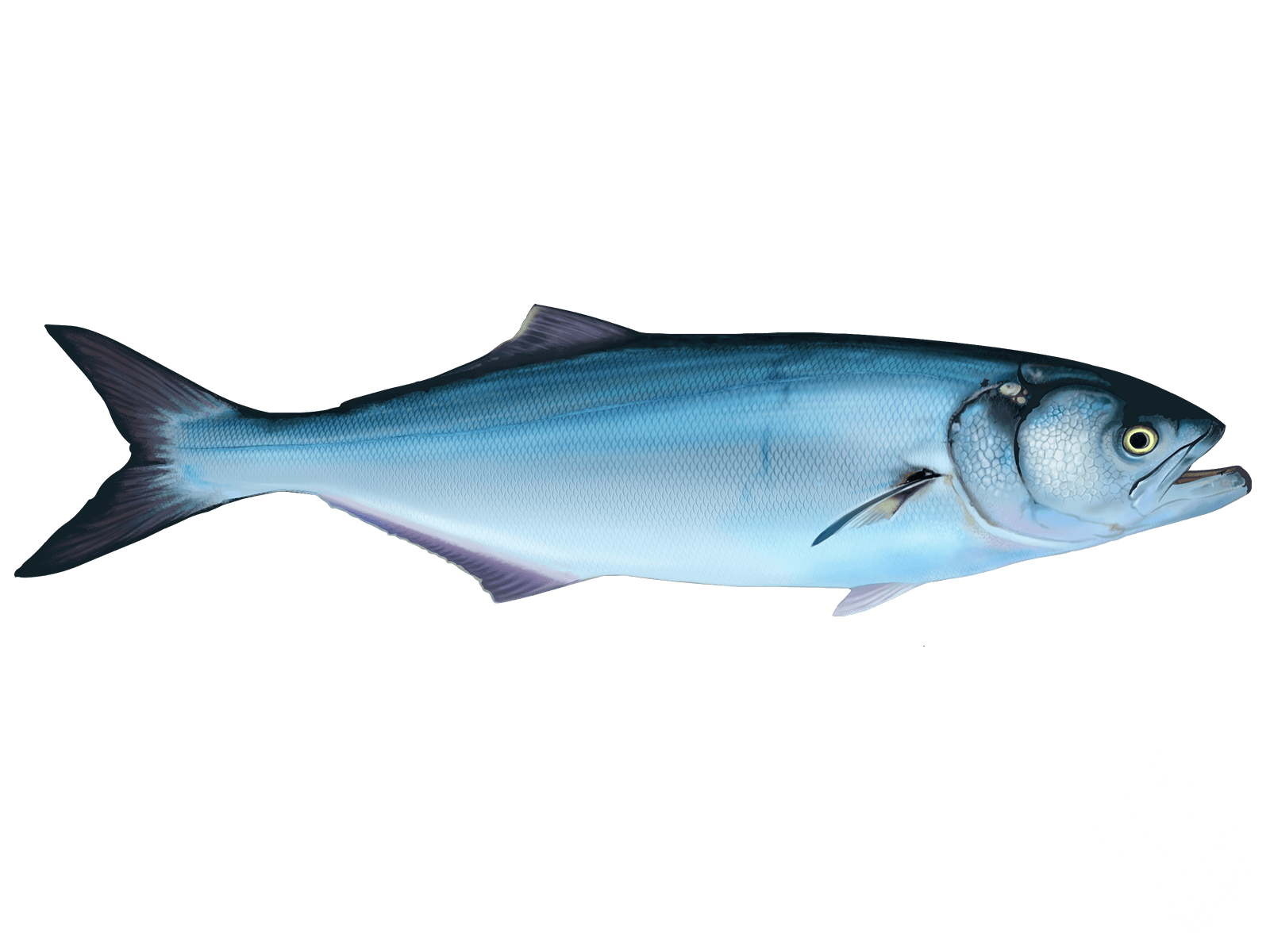
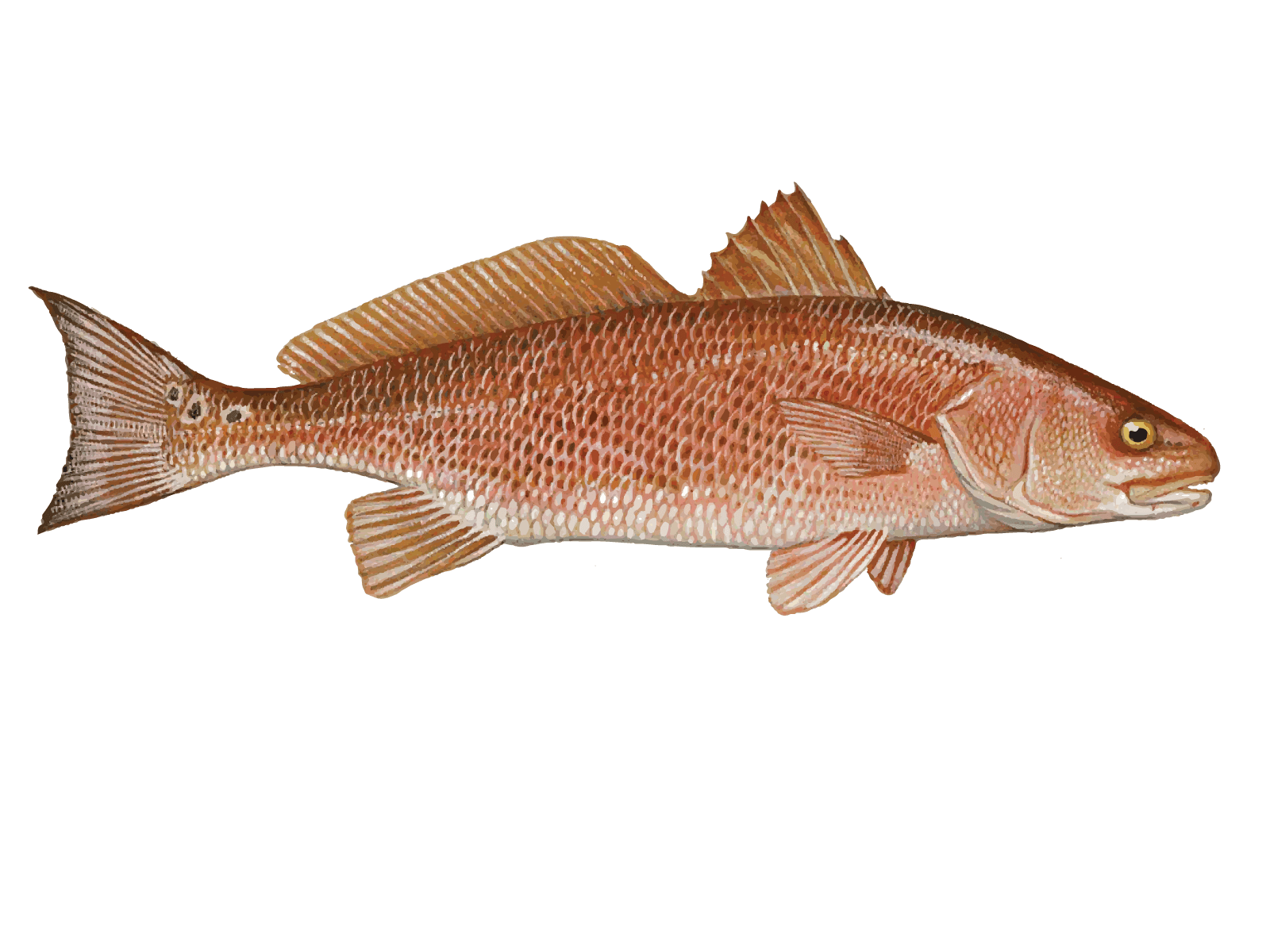
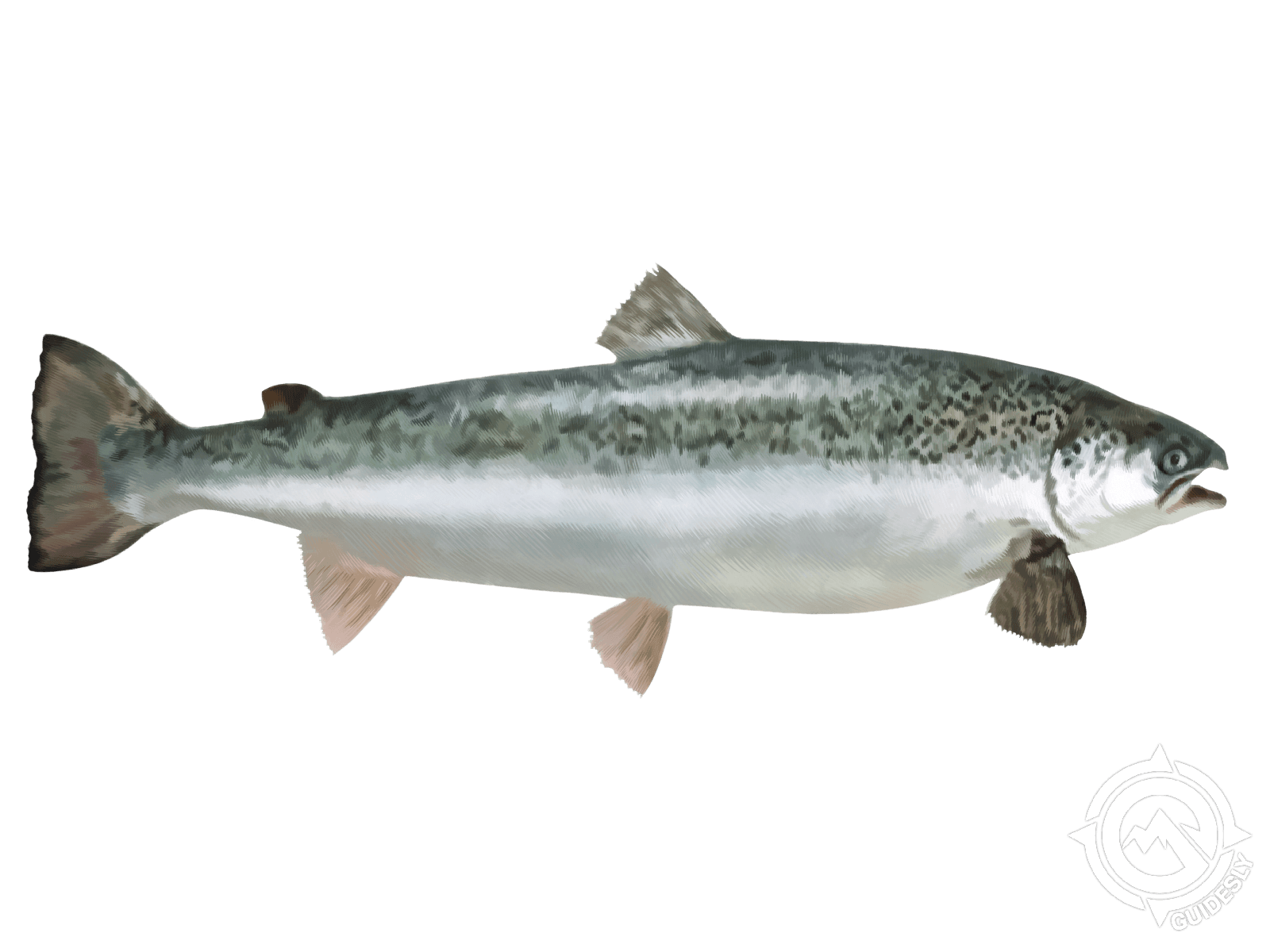
Pamlico Pirate Fishing Charters Available Trips
Other customer memories from this trip
Captain Dave runs a brand new 2025 Parker SE as part of the Parker Offshore Prostaff, specifically designed for the shallow waters around Oriental and the Pamlico Sound. This boat excels at sneaking into skinny water where redfish and speckled trout feed, while maintaining the comfort and stability needed for a full day of fishing. The Parker SE's layout accommodates up to 3 anglers with plenty of room for casting and fighting fish, plus secure storage for tackle and gear. The shallow draft design allows access to productive flats and creek mouths that larger boats can't reach, giving you the edge when targeting inshore species in North Carolina's premier fishing waters.