%2Ffit-in%2F250x250%2Fguide_websites%2F8615%2Fimages%2F17866375197415613b54f-dc7d-4728-9e84-1358d5003283.png&w=1920&q=100)
/users/792382ab-206e-4089-a7cf-5e417b469da6/ratecard/51ab1882-3256-4e94-8c68-dd30a7256ebe.jpg)
%2F300x300%2Fusers%2F792382ab-206e-4089-a7cf-5e417b469da6%2Fratecard%2F51ab1882-3256-4e94-8c68-dd30a7256ebe.jpg&w=256&q=75)
%2F300x300%2Fusers%2F792382ab-206e-4089-a7cf-5e417b469da6%2Fimages%2Flittle-tunny-light-tackle-catch-7566.png&w=256&q=75)
%2F300x300%2Fusers%2F792382ab-206e-4089-a7cf-5e417b469da6%2Fimages%2Flittle-tunny-catch-oriental-nc-4373.png&w=256&q=75)
%2F300x300%2Fusers%2F792382ab-206e-4089-a7cf-5e417b469da6%2Fimages%2Fyellow-bass-light-tackle-catch-12218.png&w=256&q=75)
%2F300x300%2Fusers%2F792382ab-206e-4089-a7cf-5e417b469da6%2Fimages%2Fwiper-light-tackle-oriental-fishing-10814.png&w=256&q=75)
%2F300x300%2Fusers%2F792382ab-206e-4089-a7cf-5e417b469da6%2Fimages%2Fstriped-bass-light-tackle-oriental-3861.png&w=256&q=75)
%2F300x300%2Fusers%2F792382ab-206e-4089-a7cf-5e417b469da6%2Fimages%2Fstriped-bass-light-tackle-oriental-13087.png&w=256&q=75)
%2F300x300%2Fusers%2F792382ab-206e-4089-a7cf-5e417b469da6%2Fimages%2Fstriped-bass-light-tackle-oriental-10010.png&w=256&q=75)
%2F300x300%2Fusers%2F792382ab-206e-4089-a7cf-5e417b469da6%2Fimages%2Fstriped-bass-light-tackle-fishing-9511.png&w=256&q=75)
%2F300x300%2Fusers%2F792382ab-206e-4089-a7cf-5e417b469da6%2Fimages%2Fstriped-bass-light-tackle-catch-12580.png&w=256&q=75)
%2F300x300%2Fusers%2F792382ab-206e-4089-a7cf-5e417b469da6%2Fimages%2Fstriped-bass-light-tackle-catch-11564.png&w=256&q=75)
Expert-Guided NC Coastal Fly Fishing Adventure

 North Carolina
What you will be catching:
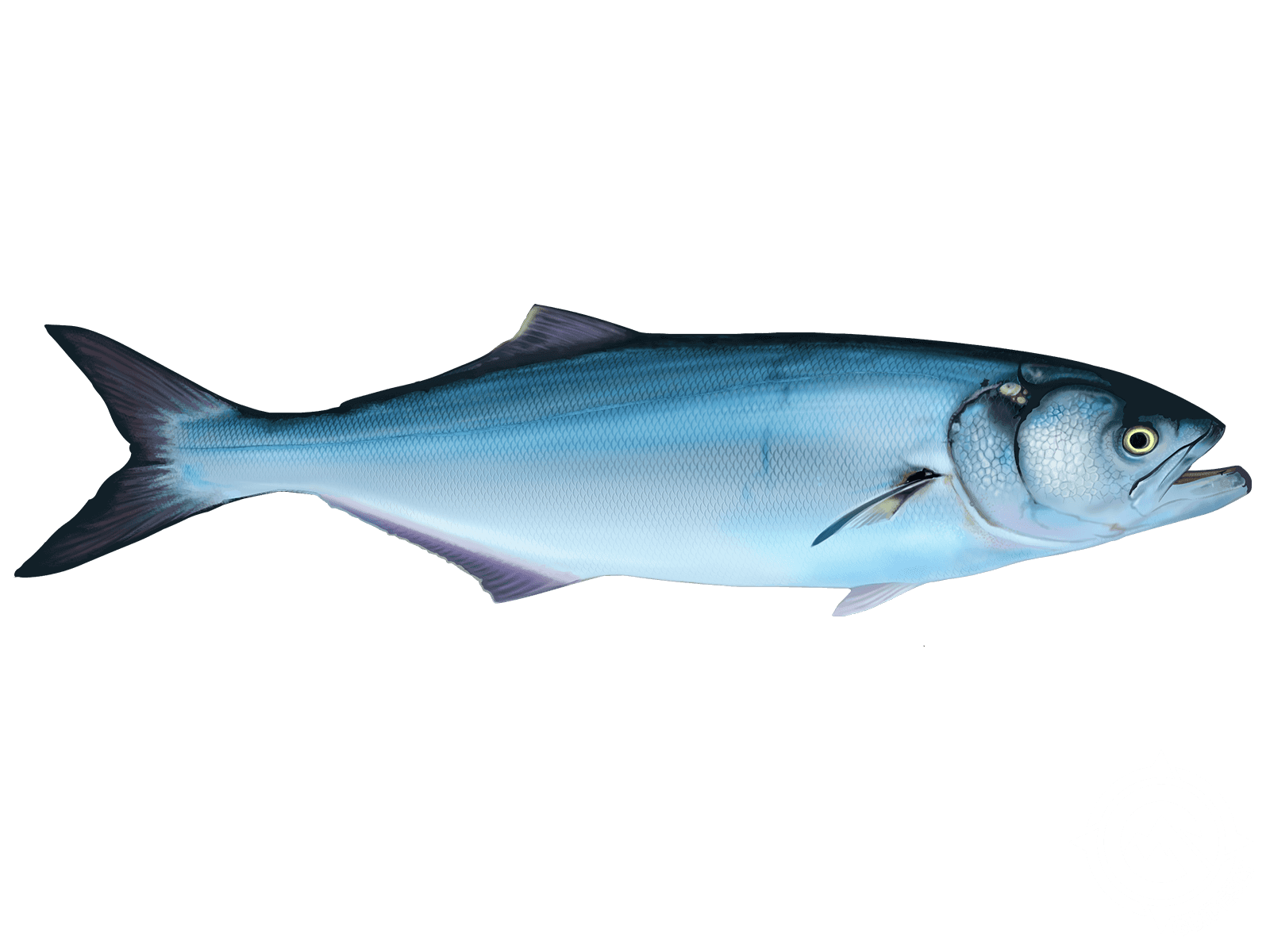
 Bluefish
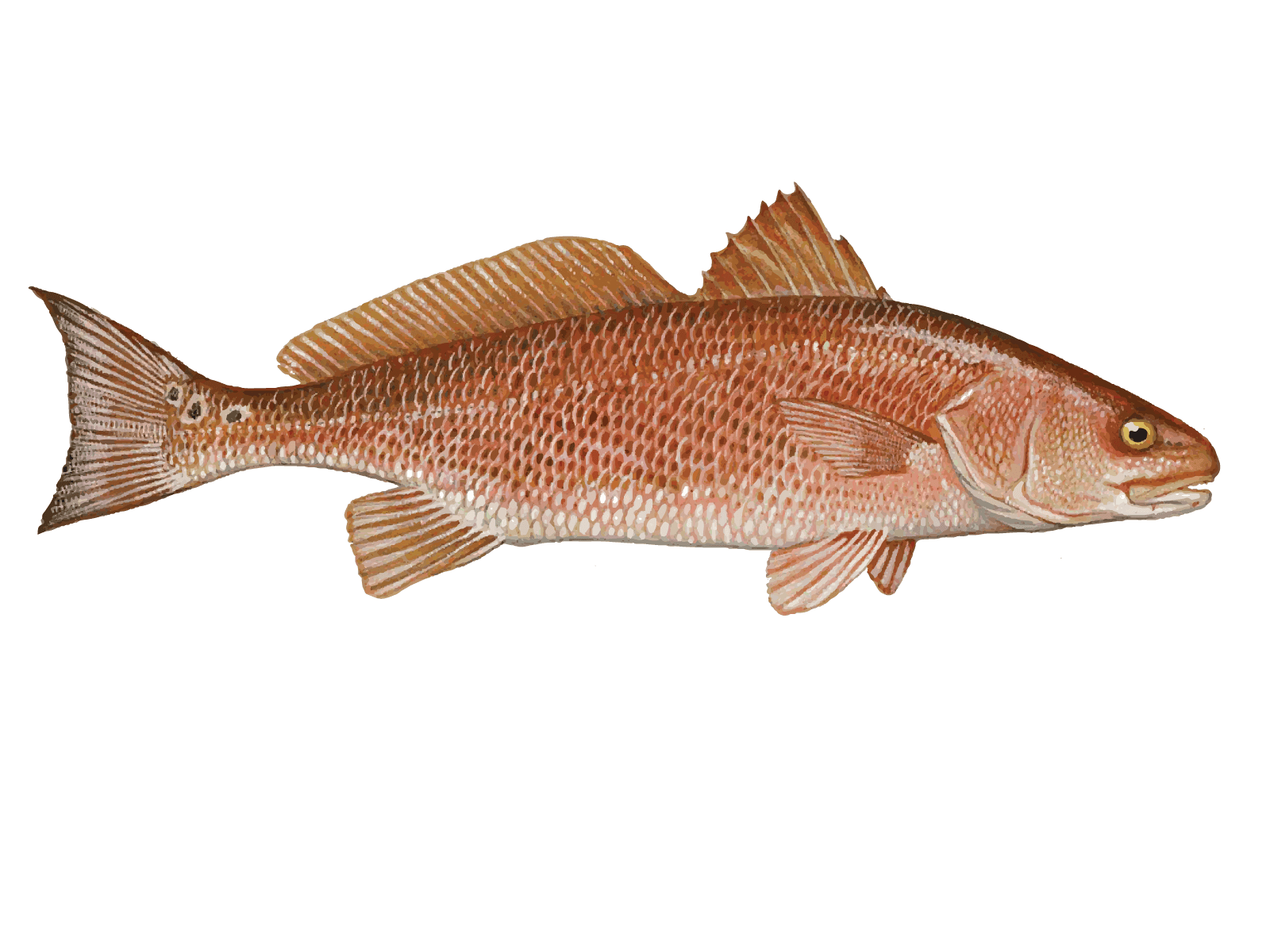
 Redfish
 Sea Trout
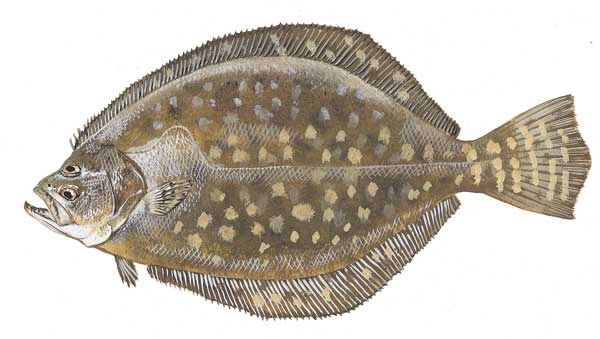 Southern Flounder
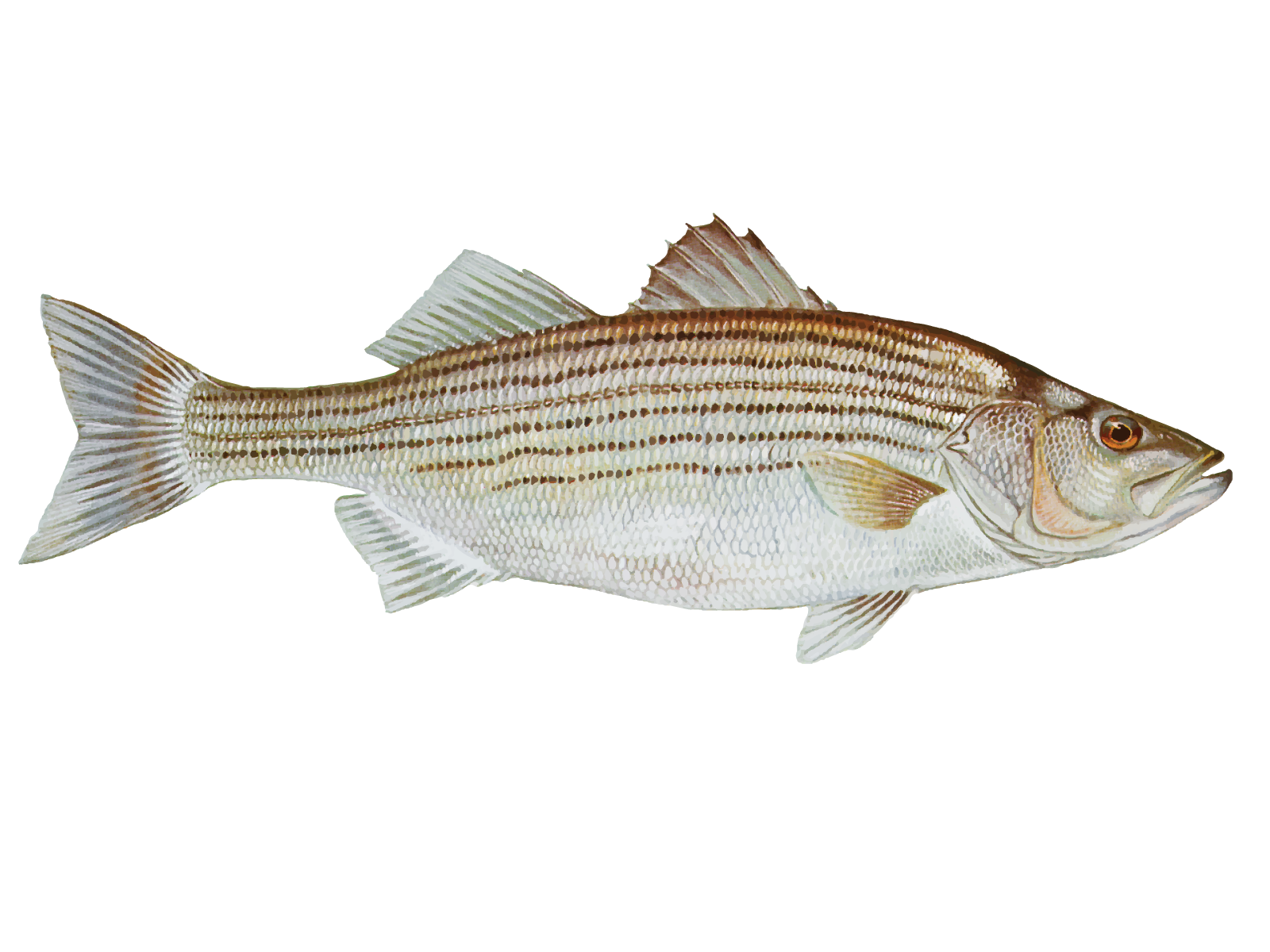 Striped Bass
- Target redfish and tarpon in North Carolina's prime inshore waters
- Expert guides provide positioning for optimal shots at challenging species
- Technical fly fishing requiring skill, patience, and angler-supplied equipment
Trip Pricing and Availabilities:
NC Coastal Fly Fishing: The Ultimate Challenge
North Carolina's inshore waters are a fly angler's paradise, and there's no better way to experience it than with Captain David and the crew at Pamlico Pirite Fishing Charters. This isn't your typical casting trip – we're talking sight fishing for trophy drum tailing in gin-clear shallows, presenting flies to rolling tarpon, and working the grass flats for aggressive redfish. The beauty of fly fishing these waters is that every cast demands precision, every hookup tests your skill, and every fish earned feels like a real victory. You'll bring your own rod and flies while we put you on the fish and share the local knowledge that makes all the difference between a good day and an epic one.
What to Expect on the Water
Your day starts early when the light is just right and the fish are most active. We'll be working the shallow flats, creek mouths, and structure where North Carolina's top-rated inshore species love to feed. The boat stays positioned at casting distance while you work on presentation and accuracy – this is all about finesse, not power. Captain David knows these waters like the back of his hand, and he'll have you casting to fish you can actually see, which is what separates great fly fishing from just throwing line in the water. The pace is methodical but exciting, with plenty of instruction for beginners and advanced techniques for seasoned anglers. Pack light since we're covering a lot of water, and don't forget your polarized glasses – you'll need them to spot fish in the shallows.
Fly Tactics & Gear Breakdown
Successful inshore fly fishing here comes down to matching your presentation to the conditions and species you're targeting. You'll want an 8 or 9-weight rod that can handle the wind and deliver flies accurately at distance. Floating lines work great in the shallows, but having a sink-tip ready can make the difference when fish are holding deeper around structure. Popular fly patterns include Clouser Minnows, shrimp imitations, and crab flies in natural colors that match the local baitfish. The key is keeping your flies moving naturally – these fish see a lot of pressure, so sloppy presentations get ignored fast. Captain David will coach you through reading the water, timing your casts, and fighting fish on lighter tackle. Strip-setting becomes second nature, and you'll learn to manage line in current and wind like a pro.
Customer Stories
"David is fantastic guide and mentor. I learned so much from him." - Jeff
Species You'll Want to Hook
Redfish are the bread and butter of North Carolina fly fishing, and for good reason. These copper-colored bruisers cruise the flats year-round, with peak action from April through November. They're incredibly sight-friendly, often tailing in water so shallow their backs break the surface. A 20 to 30-inch red on an 8-weight fly rod is pure magic – they make long, powerful runs and use every ounce of their strength to get back to deep water. What makes them special is their willingness to eat well-presented flies, especially crab and shrimp patterns worked slowly along the bottom.
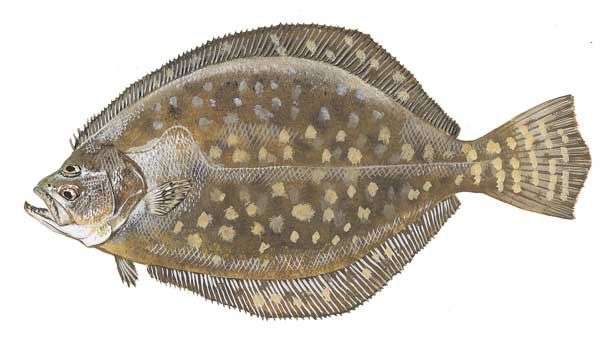
Southern Flounder might surprise you with how aggressive they can be on flies. These flatfish are ambush predators that hold tight to structure and creek edges, typically most active during the cooler months from October through December. They hit flies with authority and immediately dive for cover, testing your drag and line management skills. Look for fish in the 15 to 20-inch range, with occasional doormat-sized flounder that will make your reel sing. They're masters of camouflage, so spotting them requires a trained eye and good polarized lenses.
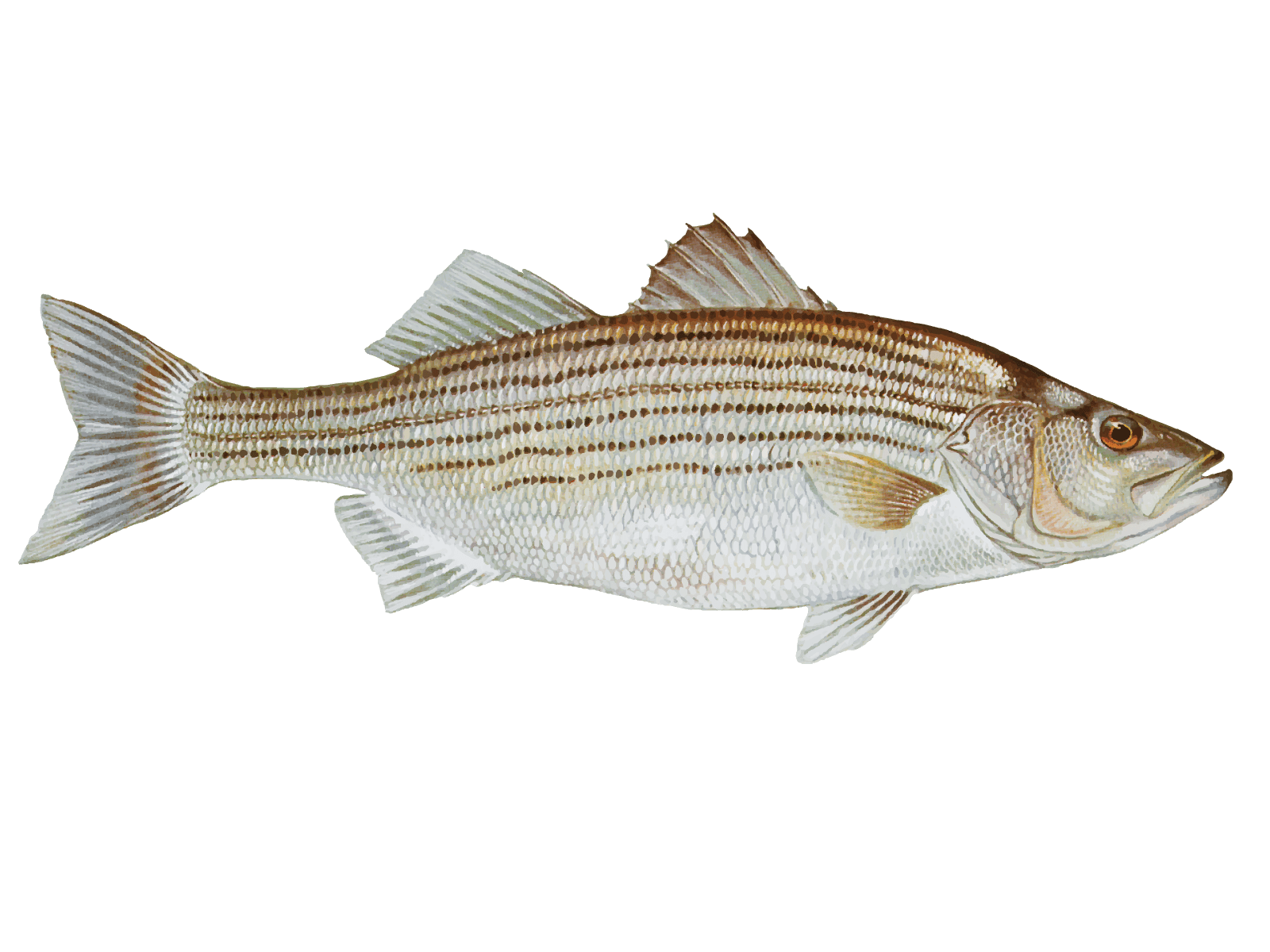
Striped Bass bring the power game to inshore fly fishing, especially during their spring and fall runs when they're feeding heavily on baitfish. These silver rockets can range from schoolie-sized fun to trophy fish over 30 inches that will test every knot and connection on your setup. They're incredibly aggressive when feeding, often creating surface disturbances that make them easy to locate. The fight is what stripers are known for – long runs, head shakes, and aerial displays that keep you on your toes from hookset to net.
Sea Trout are the technical challenge that keeps experienced fly anglers coming back. These spotted beauties are extremely spooky and require perfect presentations to consistently fool. They're most active during the warmer months and love grass flats where they can ambush small baitfish and shrimp. A quality sea trout on fly tackle is a thing of beauty – they have a delicate bite but fight with surprising strength for their size. The 14 to 18-inch fish are most common, with occasional gator trout that make every cast worth the effort.
Bluefish add the wild card element to any fly fishing trip, showing up in aggressive schools that can turn a quiet day into non-stop action. These toothy predators are most active during spring and fall migrations, and when you find them feeding, it's game on. They hit flies hard and fast, often jumping immediately after the hookset. Blues in the 12 to 16-inch range are perfect on fly tackle – big enough to bend your rod but manageable enough to land consistently. Just watch those teeth and bring a wire leader when they're around thick.
Time to Book Your Spot
North Carolina's inshore fly fishing delivers world-class action in some of the most beautiful water you'll ever cast a line in. Captain David provides the local expertise and patience that transforms challenging conditions into successful fishing, whether you're new to the fly rod or looking to up your technical game. The combination of sight fishing, multiple species, and year-round opportunities makes this a customer favorite that fills up fast during peak seasons. Your North Carolina fishing license is covered, and with space for up to three anglers, it's perfect for small groups who want personalized instruction and maximum water time.
Customer Review
Amazing Guide David

Jeff Pentz
August 19, 2024
Learn more about the species
Bluefish
Blues are aggressive fighters that travel in schools, usually running 3-8 pounds but capable of hitting 20+. They're built for speed with razor-sharp teeth and an appetite to match. You'll find them cruising surf zones, inlet mouths, and around baitfish schools from spring through fall. Summer and early fall are peak times when they're chasing menhaden and mullet. Guests love the raw power and acrobatic jumps - they'll test your drag and keep you honest. The smaller "cocktail blues" are excellent table fare with firm, flaky meat. Larger ones can be strong-flavored but still good smoked. Here's the thing about blues: when you find one, there's usually more. Work the school fast and keep moving - they'll bite almost anything that moves.
Redfish
Red drum are the perfect fly fishing target - copper-bronze backs with that signature black spot near the tail. Slot fish run 18-27 inches, but we also target big bulls pushing 40+ pounds. They cruise super shallow flats, often with their backs out of water, plus oyster bars and marsh edges. Year-round fishing here, but fall is prime when they school up in massive numbers. What makes them special is sight fishing in inches of water - pure adrenaline when a 30-pound fish explodes on your fly. They're strong fighters with bulldogging runs, and the smaller ones are excellent eating. The key is staying quiet and watching for tailing fish or nervous water. Cast ahead of cruising reds and strip slow - they'll track down a well-placed fly.
Sea Trout
Speckled trout are beautiful fish with silver sides covered in black spots and a distinctive spotted dorsal fin. Most run 14-20 inches and 1-3 pounds, though we see some approaching 5+ pounds. They love grass flats, oyster bars, and shallow creek mouths - anywhere there's structure and moving water. Spring through fall offers consistent action, but fall is magic when they school up. What guests love is their willingness to hit topwater lures and flies, plus they're fantastic eating - white, flaky meat that's hard to beat. They're spooky in shallow water, so stealth matters. My go-to technique: work the grass edges at dawn or dusk with a popping cork and shrimp, or throw a small topwater plug. Listen for their distinctive "pop" when feeding on the surface.
Southern Flounder
These flat, bottom-dwellers are masters of disguise - both eyes on their left side and they change color to match sand and mud perfectly. Most run 15-18 inches but we see some pushing 25+ pounds. You'll find them buried in shallow flats, around oyster bars, and creek mouths where they ambush shrimp and small fish. Fall through early winter is prime time when they're fattening up before heading offshore. What makes them special is the challenge - spotting their outline on the bottom takes skill, and they fight surprisingly hard for a flatfish. The meat is sweet and flaky, some of the best eating around. My tip: look for slight depressions in the sand or watch for their eyes. When you spot one, drop your fly right on their nose - they can't resist.
Striped Bass
Stripers are the ultimate inshore gamefish - silver sides with distinct black stripes running head to tail. Most weigh 20-40 pounds but we've seen 50+ pounders. They love structure: bridge pilings, jetties, and drop-offs where current brings baitfish. Spring and fall migrations offer the hottest action, but we catch them year-round. What makes them special is their intelligence and fighting ability - long, powerful runs that'll make your reel scream. The meat is firm, white, and delicious. These fish are finicky, so matching the hatch matters. They prefer cooler water and feed heavily at dawn and dusk. Pro tip: watch for birds working over bait schools - that's where you'll find feeding stripers. Use live eels or large flies that imitate whatever they're eating.
About the Parker
%2F%2Fusers%2F792382ab-206e-4089-a7cf-5e417b469da6%2Fvehicle_picture%2Fboat.jpg&w=1920&q=75)
Vehicle Guest Capacity: 4
Manufacturer Name: Yamaha
Maximum Cruising Speed: 55
Number of Engines: 1
Horsepower per Engine: 250

David is fantastic guide and mentor. I learned so much from him.