%2Ffit-in%2F250x250%2Fguide_websites%2F8615%2Fimages%2F1767814862355355879891_10231248734826913_8079466979329632599_n.jpg&w=1200&q=100)
//users/792382ab-206e-4089-a7cf-5e417b469da6/ratecard/523504937_621471940984740_2699127599022822391_n-mfheyr9l.jpg)
%2Ffit-in%2F300x300%2Fusers%2F792382ab-206e-4089-a7cf-5e417b469da6%2Fratecard%2F523504937_621471940984740_2699127599022822391_n-mfheyr9l.jpg&w=256&q=75)
%2F300x300%2Fusers%2F792382ab-206e-4089-a7cf-5e417b469da6%2Fimages%2Flittle-tunny-light-tackle-catch-7566.png&w=256&q=75)
%2F300x300%2Fusers%2F792382ab-206e-4089-a7cf-5e417b469da6%2Fimages%2Flittle-tunny-catch-oriental-nc-4373.png&w=256&q=75)
%2F300x300%2Fusers%2F792382ab-206e-4089-a7cf-5e417b469da6%2Fimages%2Fyellow-bass-light-tackle-catch-12218.png&w=256&q=75)
%2F300x300%2Fusers%2F792382ab-206e-4089-a7cf-5e417b469da6%2Fimages%2Fwiper-light-tackle-oriental-fishing-10814.png&w=256&q=75)
%2F300x300%2Fusers%2F792382ab-206e-4089-a7cf-5e417b469da6%2Fimages%2Fstriped-bass-light-tackle-oriental-3861.png&w=256&q=75)
%2F300x300%2Fusers%2F792382ab-206e-4089-a7cf-5e417b469da6%2Fimages%2Fstriped-bass-light-tackle-oriental-13087.png&w=256&q=75)
%2F300x300%2Fusers%2F792382ab-206e-4089-a7cf-5e417b469da6%2Fimages%2Fstriped-bass-light-tackle-oriental-10010.png&w=256&q=75)
%2F300x300%2Fusers%2F792382ab-206e-4089-a7cf-5e417b469da6%2Fimages%2Fstriped-bass-light-tackle-fishing-9511.png&w=256&q=75)
%2F300x300%2Fusers%2F792382ab-206e-4089-a7cf-5e417b469da6%2Fimages%2Fstriped-bass-light-tackle-catch-12580.png&w=256&q=75)
%2F300x300%2Fusers%2F792382ab-206e-4089-a7cf-5e417b469da6%2Fimages%2Fstriped-bass-light-tackle-catch-11564.png&w=256&q=75)
NC Inshore Fishing: Redfish & Tarpon Adventure
 North Carolina
What you will be catching:
 Redfish
 Tarpon
- Guided inshore fishing targeting legendary Redfish and seasonal Tarpon
- All equipment and fishing licenses included for up to three guests
- Expert captain provides focused instruction at multiple proven locations
Trip Pricing and Availabilities :
Trip pricing information is temporarily unavailable.
Beginner Inshore Fishing Charter North Carolina
North Carolina's inshore waters hold some serious bragging rights when it comes to Redfish and Tarpon fishing, and Captain Dave's got the inside track on where these fish hang out. This charter runs from June through October when the action peaks, giving you the best shot at landing both species in a single trip. We're talking about waters that have produced world-record Redfish – the legendary "Old Drum" that put North Carolina on the fishing map. With everything included from gear to licenses, you just need to show up ready to fish. Captain Dave keeps groups small at three anglers max, so you'll get personalized attention whether you're holding a rod for the first time or looking to dial in your inshore game.
What to Expect on the Water
This trip takes you into North Carolina's productive inshore flats where the water's shallow enough to sight-fish but deep enough for some serious surprises. Captain Dave knows these waters like his backyard – every grass bed, every drop-off, every spot where big Redfish cruise looking for an easy meal. The boat's set up specifically for inshore work, with a shallow draft that lets you get into those skinny water spots where the magic happens. You'll move between multiple locations throughout the day, reading the water and adjusting tactics based on what the fish are doing. When Tarpon season heats up in summer, we'll position near their migration routes where these silver kings roll and jump. The focus here is hands-on learning, so expect plenty of coaching on everything from casting technique to reading water conditions.
Techniques and Tackle
Captain Dave's got the gear dialed in for North Carolina inshore fishing – medium-heavy spinning setups that can handle both species without being overkill. For Redfish, we're working with cut bait, live shrimp, and soft plastics depending on conditions and fish behavior. The flats fishing means sight-casting to cruising fish when the water's clear, or working structure when they're holding tight to cover. Tarpon fishing shifts the game plan entirely – we're using circle hooks with live bait or working topwater lures when they're rolling on the surface. Captain Dave covers all the technical stuff like rigging, bait presentation, and fighting techniques, but he breaks it down in plain English. You'll learn to read the signs – baitfish activity, water color changes, and bird behavior that tip you off to where the action's heating up. The boat's equipped with a trolling motor for silent approaches and all the nets and tools needed to handle these powerful fish safely.
Species You'll Want to Hook
Redfish are the bread and butter of North Carolina inshore fishing, and these waters grow them big. Locally called "Old Drum," mature Redfish here can push 40-50 pounds and fight like freight trains. They're most active during moving tides, cruising the grass flats and oyster bars looking for crabs and shrimp. What makes them special is their willingness to eat – Redfish aren't overly picky, but they're smart enough to test your skills. The slot-sized fish in the 18-27 inch range are perfect for the table, while the oversized bulls are pure adrenaline and strictly catch-and-release. Peak season runs through fall when they school up for their spawning runs, creating some of the most consistent fishing you'll find anywhere on the East Coast.
Tarpon fishing in North Carolina is something else entirely – these silver kings migrate through our waters from late spring through early fall, offering world-class action without the crowds you'll find further south. A typical North Carolina Tarpon runs 80-150 pounds, though fish over 200 pounds show up regularly. They're famous for their aerial displays, often jumping completely clear of the water multiple times during a fight. Tarpon have bony mouths that make hook sets tricky, and they're notorious for throwing hooks with their acrobatic moves. The best action happens during their feeding periods around dawn and dusk, when they'll roll on the surface and crash bait with explosive strikes. What makes Tarpon special is the pure spectacle – even after you've caught one, watching these massive fish launch themselves skyward never gets old.
Time to Book Your Spot
Captain Dave's charter fills up fast during peak season, especially when word gets out about hot fishing. With only three spots per trip, you're getting a top-rated experience that focuses on results rather than packing the boat full. The summer months offer your best shot at both species, with Tarpon migration overlapping prime Redfish season. This is hands-down one of the best beginner-friendly charters in North Carolina – you'll learn proper techniques while targeting trophy fish in some of the most productive inshore waters on the East Coast. Whether you're looking to check Tarpon off your bucket list or experience the world-class Redfish fishing that made these waters famous, this charter delivers the goods. Don't wait until the last minute – the best dates book early, and you don't want to miss your chance at these legendary North Carolina inshore species.
Learn more about the species
Redfish
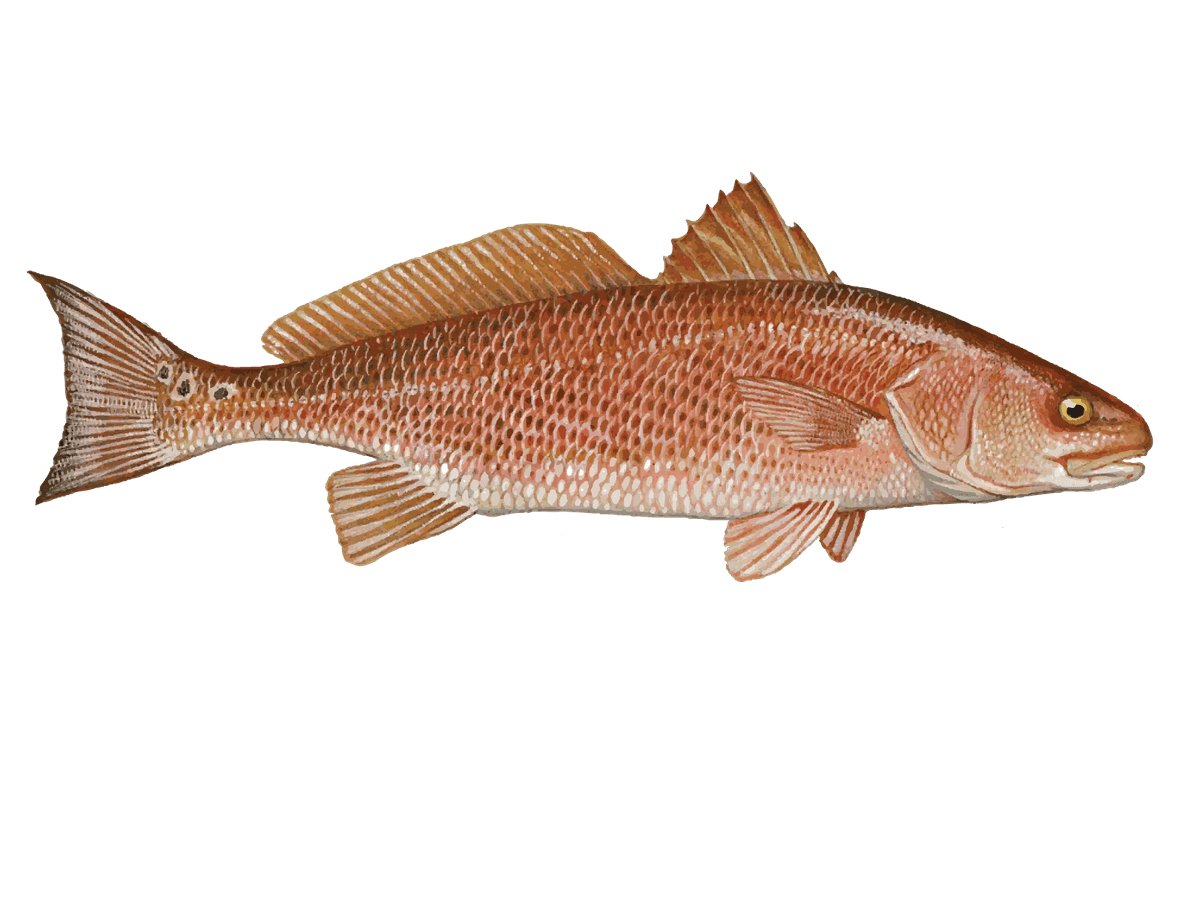
Our "Old Drum" are the backbone of North Carolina inshore fishing. These copper-colored beauties average 24-32 inches, but we regularly see trophy fish pushing 40+ inches on our flats. They're built for shallow water - 1 to 4 feet is prime, sometimes so shallow their backs show above water. Look for them around oyster bars, grass flats, and creek mouths, especially on mud bottoms. Summer through fall is peak season when they school up and feed hard. What makes them great targets? They eat almost anything, fight strong, and taste fantastic if you keep a slot fish. That black spot near their tail fools predators and helps you identify them. Here's a local trick: on calm mornings, watch for their bronze backs "tailing" in skinny water. Approach quietly and drop a shrimp or soft plastic right in front of their nose.
Tarpon
These silver giants are what fishing dreams are made of. Tarpon run 4-6 feet long and 80-150 pounds, though bigger ones show up. What makes them special? They jump like crazy when hooked - sometimes 10 feet out of the water. Here in North Carolina, we see them June through October when they migrate north from Florida. They love our warm inshore flats, channels, and areas around structure where baitfish gather. You'll find them in 3-15 feet of water, often rolling on the surface. The fight is pure muscle and acrobatics - they'll test your drag and your nerves. Most anglers release them since the meat isn't great. Pro tip: when one jumps, bow to the fish by lowering your rod tip toward it. This keeps slack in the line so they can't throw the hook during those wild aerial shows.

About the Parker
%2F%2Fusers%2F792382ab-206e-4089-a7cf-5e417b469da6%2Fvehicle_picture%2Fboat.jpg&w=1200&q=75)
Vehicle Guest Capacity: 4
Manufacturer Name: Yamaha
Maximum Cruising Speed: 55
Number of Engines: 1
Horsepower per Engine: 250