%2Ffit-in%2F250x250%2Fguide_websites%2F8615%2Fimages%2F1767814862355355879891_10231248734826913_8079466979329632599_n.jpg&w=1200&q=100)
//users/792382ab-206e-4089-a7cf-5e417b469da6/ratecard/500317468_571527129312555_8789874970782177984_n-mfhf2mdo.jpg)
%2Ffit-in%2F300x300%2Fusers%2F792382ab-206e-4089-a7cf-5e417b469da6%2Fratecard%2F500317468_571527129312555_8789874970782177984_n-mfhf2mdo.jpg&w=256&q=75)
%2F300x300%2Fusers%2F792382ab-206e-4089-a7cf-5e417b469da6%2Fimages%2Flittle-tunny-light-tackle-catch-7566.png&w=256&q=75)
%2F300x300%2Fusers%2F792382ab-206e-4089-a7cf-5e417b469da6%2Fimages%2Flittle-tunny-catch-oriental-nc-4373.png&w=256&q=75)
%2F300x300%2Fusers%2F792382ab-206e-4089-a7cf-5e417b469da6%2Fimages%2Fyellow-bass-light-tackle-catch-12218.png&w=256&q=75)
%2F300x300%2Fusers%2F792382ab-206e-4089-a7cf-5e417b469da6%2Fimages%2Fwiper-light-tackle-oriental-fishing-10814.png&w=256&q=75)
%2F300x300%2Fusers%2F792382ab-206e-4089-a7cf-5e417b469da6%2Fimages%2Fstriped-bass-light-tackle-oriental-3861.png&w=256&q=75)
%2F300x300%2Fusers%2F792382ab-206e-4089-a7cf-5e417b469da6%2Fimages%2Fstriped-bass-light-tackle-oriental-13087.png&w=256&q=75)
%2F300x300%2Fusers%2F792382ab-206e-4089-a7cf-5e417b469da6%2Fimages%2Fstriped-bass-light-tackle-oriental-10010.png&w=256&q=75)
%2F300x300%2Fusers%2F792382ab-206e-4089-a7cf-5e417b469da6%2Fimages%2Fstriped-bass-light-tackle-fishing-9511.png&w=256&q=75)
%2F300x300%2Fusers%2F792382ab-206e-4089-a7cf-5e417b469da6%2Fimages%2Fstriped-bass-light-tackle-catch-12580.png&w=256&q=75)
%2F300x300%2Fusers%2F792382ab-206e-4089-a7cf-5e417b469da6%2Fimages%2Fstriped-bass-light-tackle-catch-11564.png&w=256&q=75)
NC Inshore Weekend: Redfish & Tarpon Charter
 North Carolina
What you will be catching:
 Redfish
 Tarpon
- Weekend targeting North Carolina Redfish and seasonal Tarpon (June-October)
- Captain provides all gear, licenses, and expert guidance for up to three anglers
- Multiple proven inshore flats locations with world-record fishing potential
Trip Pricing and Availabilities :
Trip pricing information is temporarily unavailable.
Weekend Redfish & Tarpon Charter North Carolina
Picture this: You're standing on a shallow flat in North Carolina's pristine inshore waters, watching the sunrise paint the sky while Captain Dave quietly poles the boat into position. That copper flash you just saw? That's likely a trophy redfish cruising the shallows, and with a little patience and the right presentation, it could be your catch of the day. This weekend charter focuses on two of the most sought-after species in these waters - redfish and tarpon - during their peak season from June through October. Whether you're a seasoned angler or just getting your feet wet, this fully guided experience covers everything you need for a successful weekend on North Carolina's world-class inshore fishery.
What to Expect on the Water
Captain Dave runs a tight ship but keeps things relaxed and fun for up to three anglers. The beauty of this charter is that it's completely turnkey - all your tackle, bait, and fishing licenses are covered, so you can focus on what matters most: catching fish. You'll spend your weekend exploring multiple productive flats and channels where these species love to hang out. The boat stays in skinny water most of the time, which means you're sight fishing in crystal clear conditions where you can actually see your targets before you cast. Early morning starts are the norm here, but trust me, watching the sun come up over these waters while you're already in position for the first bite makes the early alarm worth every second. The pace varies depending on fish activity - sometimes you're covering water quickly to find active schools, other times you're anchored up working structure where the big drum like to feed.
Tackle & Techniques
The gear setup changes throughout the day based on what you're targeting and where you're fishing. For redfish, you'll primarily use medium-heavy spinning tackle with circle hooks and natural baits like cut mullet or live shrimp. When the water's clear and fish are spooky, Captain Dave switches to lighter tackle and artificial lures - gold spoons and soft plastics are absolute money in these waters. Tarpon fishing requires stepping up the game with heavier tackle and wire leaders since these silver kings have mouths full of sandpaper-rough plates that'll cut through regular line in seconds. The technique here is all about reading the water and fish behavior. You'll learn to spot redfish tailing in the shallows, recognize tarpon rolling on the surface, and understand how tides affect where these fish position themselves. Captain Dave's been working these waters long enough to know exactly where to find fish based on wind, tide, and time of day, but he's also great about teaching you the why behind each spot so you can apply that knowledge on future trips.
Species You'll Want to Hook
Redfish are the bread and butter of North Carolina inshore fishing, and for good reason. These copper-colored bruisers, locally called "Old Drum" when they reach trophy size, are available year-round but really light up during the summer and fall months. Adult redfish here commonly run 30 to 50 pounds, with fish over 40 inches being true trophies that'll test your tackle and your patience. What makes them so exciting is their aggressive feeding style and the visual aspect of the fishing - you'll often see them cruising the flats with their backs out of water or tailing as they root around for crabs and baitfish. The best action typically happens during moving tides when they're actively feeding, and North Carolina's expansive shallow water systems provide perfect habitat for these fish to grow to impressive sizes.
Tarpon bring a completely different energy to the trip. These silver missiles show up in North Carolina waters from late spring through early fall, following baitfish migrations and warmer water temperatures. While they might not reach the massive sizes you'd find in Florida, Carolina tarpon still average 40 to 80 pounds and provide some of the most spectacular fights you'll find in inshore waters. Their acrobatic jumps and long, powerful runs make every hookup an adrenaline rush. Tarpon are also notoriously finicky eaters, which makes successfully hooking one that much more rewarding. They tend to feed more actively during dawn and dusk hours, often rolling and gulping air at the surface before diving deep. The seasonal nature of tarpon fishing adds urgency to the experience - when they're here, you want to be on the water.
Time to Book Your Spot
This weekend charter delivers exactly what serious inshore anglers are looking for - access to world-class fishing grounds with an experienced captain who knows how to put you on fish. The combination of redfish and tarpon creates the perfect mix of consistent action and trophy potential. Captain Dave's all-inclusive approach means you can focus entirely on fishing instead of worrying about gear, licenses, or logistics. The June through October season represents the absolute peak time for both species in these waters, with each month offering slightly different opportunities as fish behavior changes with temperature and bait movements. Whether you're looking to check these species off your bucket list or you're a regular who knows how special this fishery is, this charter provides the expertise and local knowledge that turns good fishing days into great ones. Don't wait too long to secure your dates - word gets around fast about productive captains in tight-knit fishing communities like this one.
Learn more about the species
Redfish
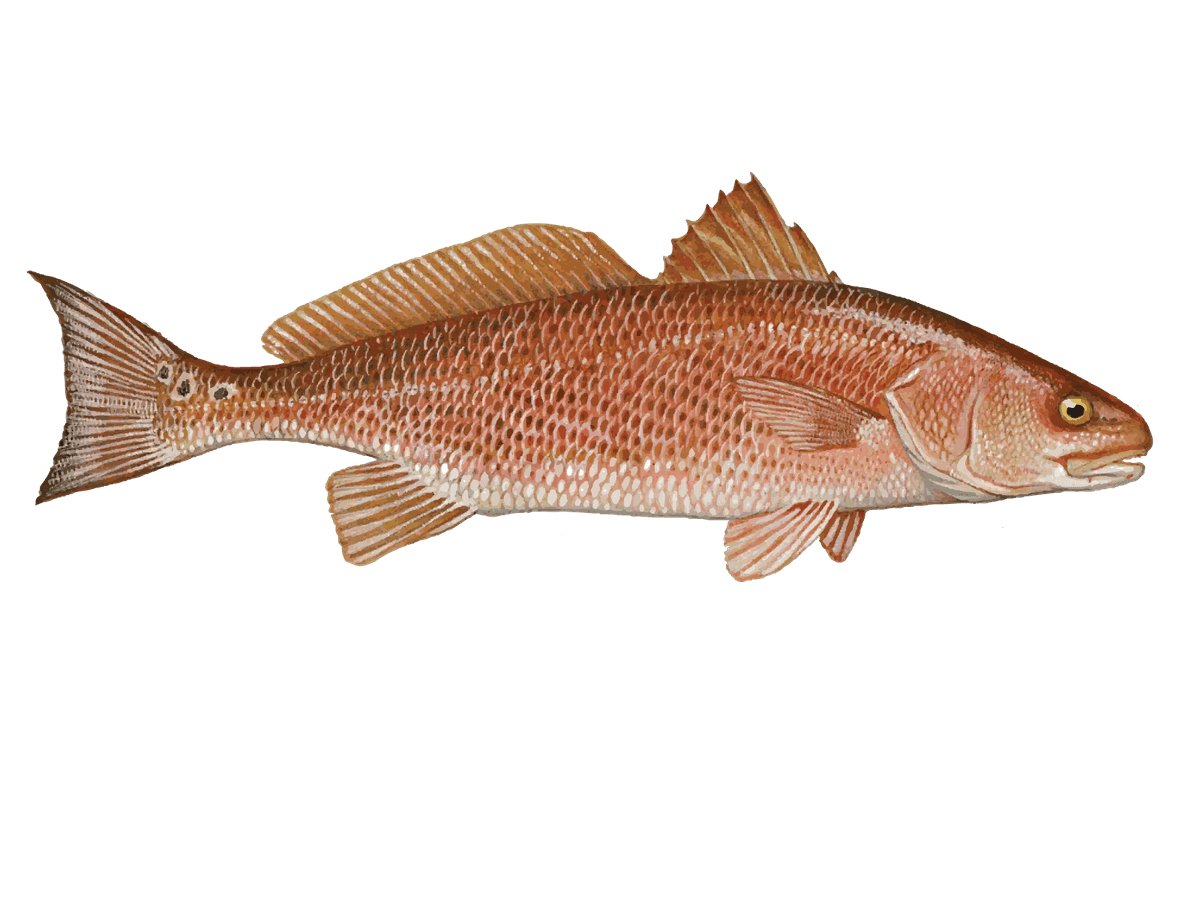
Our North Carolina flats hold some serious "Old Drum" - trophy redfish that can push 40+ inches and really put a bend in your rod. These copper-colored bruisers love super shallow water, sometimes with their backs showing above the surface around oyster bars and grass flats. June through October is prime time when they're most active and feeding heavy. What makes them special is that explosive strike in skinny water - watching a big red crush a topwater plug in 2 feet of water never gets old. They're also excellent eating with that mild, sweet flavor. The fight is different from tarpon - more bulldogging and using their broad sides against you rather than jumping. My go-to trick is watching for nervous water or slight pushes on calm mornings. When you spot that subtle wake, drop a live shrimp or soft plastic about 10 feet in front and let it settle. Patience pays off with these fish.
Tarpon
These silver giants migrate through North Carolina waters from June to October, and when one jumps 10 feet out of the water, you'll understand why they're on every angler's bucket list. Most tarpon we see here run 4-6 feet and 80-150 pounds, though bigger ones show up. They cruise the flats and channels in 3-8 feet of water, often rolling at the surface to gulp air. The fight is pure athletics - multiple jumps, long runs, and that tail-walking dance that'll test your drag and your nerves. We practice catch-and-release since they're slow-growing and can live 50+ years. Live bait works best, but here's my tip: when you see them rolling, cast your shrimp or mullet about 20 feet ahead of where they surfaced. They usually circle back through the same spot, and that positioning makes all the difference between a hookup and watching them swim away.

About the Parker
%2F%2Fusers%2F792382ab-206e-4089-a7cf-5e417b469da6%2Fvehicle_picture%2Fboat.jpg&w=1200&q=75)
Vehicle Guest Capacity: 4
Manufacturer Name: Yamaha
Maximum Cruising Speed: 55
Number of Engines: 1
Horsepower per Engine: 250