%2Ffit-in%2F250x250%2Fguide_websites%2F8615%2Fimages%2F1767814862355355879891_10231248734826913_8079466979329632599_n.jpg&w=1200&q=100)
/users/792382ab-206e-4089-a7cf-5e417b469da6/ratecard/40years.jpg)
%2F300x300%2Fusers%2F792382ab-206e-4089-a7cf-5e417b469da6%2Fratecard%2F40years.jpg&w=256&q=75)
%2Ffilters%3Aformat(webp)%2F300x300%2Fb95c7900-e9c1-43f1-8f34-17ab60feda73%2Freport%2Fsocial%2Fimages%2Freport%2Fredfish-light-tackle-oriental-nc-8337.png&w=256&q=75)
%2Ffilters%3Aformat(webp)%2F300x300%2Fb95c7900-e9c1-43f1-8f34-17ab60feda73%2Freport%2Fsocial%2Fimages%2Freport%2Fredfish-catch-oriental-nc-5425.png&w=256&q=75)
%2Ffilters%3Aformat(webp)%2F300x300%2Fb95c7900-e9c1-43f1-8f34-17ab60feda73%2Freport%2Fsocial%2Fimages%2Freport%2Focean-fishing-light-tackle-adventure-2966.png&w=256&q=75)
%2Ffilters%3Aformat(webp)%2F300x300%2Fb95c7900-e9c1-43f1-8f34-17ab60feda73%2Freport%2Fsocial%2Fimages%2Freport%2Flight-tackle-fishing-oriental-nc-9099.png&w=256&q=75)
%2Ffilters%3Aformat(webp)%2F300x300%2Fb95c7900-e9c1-43f1-8f34-17ab60feda73%2Freport%2Fsocial%2Fimages%2Freport%2Flight-tackle-fishing-oriental-nc-3356.png&w=256&q=75)
%2Ffilters%3Aformat(webp)%2F300x300%2Fb95c7900-e9c1-43f1-8f34-17ab60feda73%2Freport%2Fsocial%2Fimages%2Freport%2Flight-tackle-fishing-boat-adventure-3676.png&w=256&q=75)
%2Ffilters%3Aformat(webp)%2F300x300%2Fb95c7900-e9c1-43f1-8f34-17ab60feda73%2Freport%2Fsocial%2Fimages%2Freport%2Ffishing-boat-ocean-light-tackle-10703.png&w=256&q=75)
%2Ffilters%3Aformat(webp)%2F300x300%2Fb95c7900-e9c1-43f1-8f34-17ab60feda73%2Freport%2Fsocial%2Fimages%2Freport%2Ffishing-boat-light-tackle-adventure-10967.png&w=256&q=75)
%2Ffilters%3Aformat(webp)%2F300x300%2Fb95c7900-e9c1-43f1-8f34-17ab60feda73%2Freport%2Fsocial%2Fimages%2Freport%2Ffish-jumping-light-tackle-adventure-2575.png&w=256&q=75)
%2Ffilters%3Aformat(webp)%2F300x300%2Fb95c7900-e9c1-43f1-8f34-17ab60feda73%2Freport%2Fsocial%2Fimages%2Freport%2Ffish-cleaning-boat-deck-adventure-5389.png&w=256&q=75)
Pamlico Inshore Loyalty Trip | Pirate Charters
 North Carolina
What you will be catching:
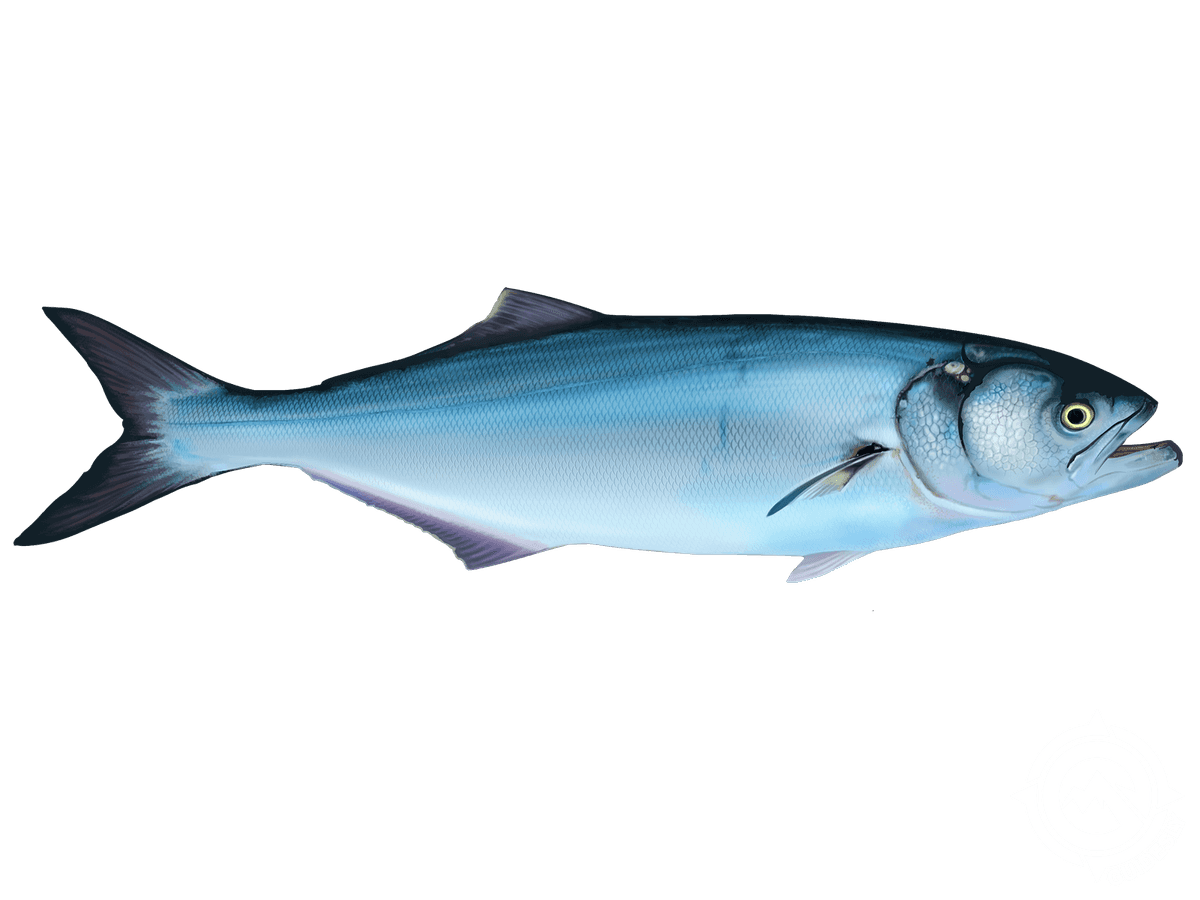
 Bluefish
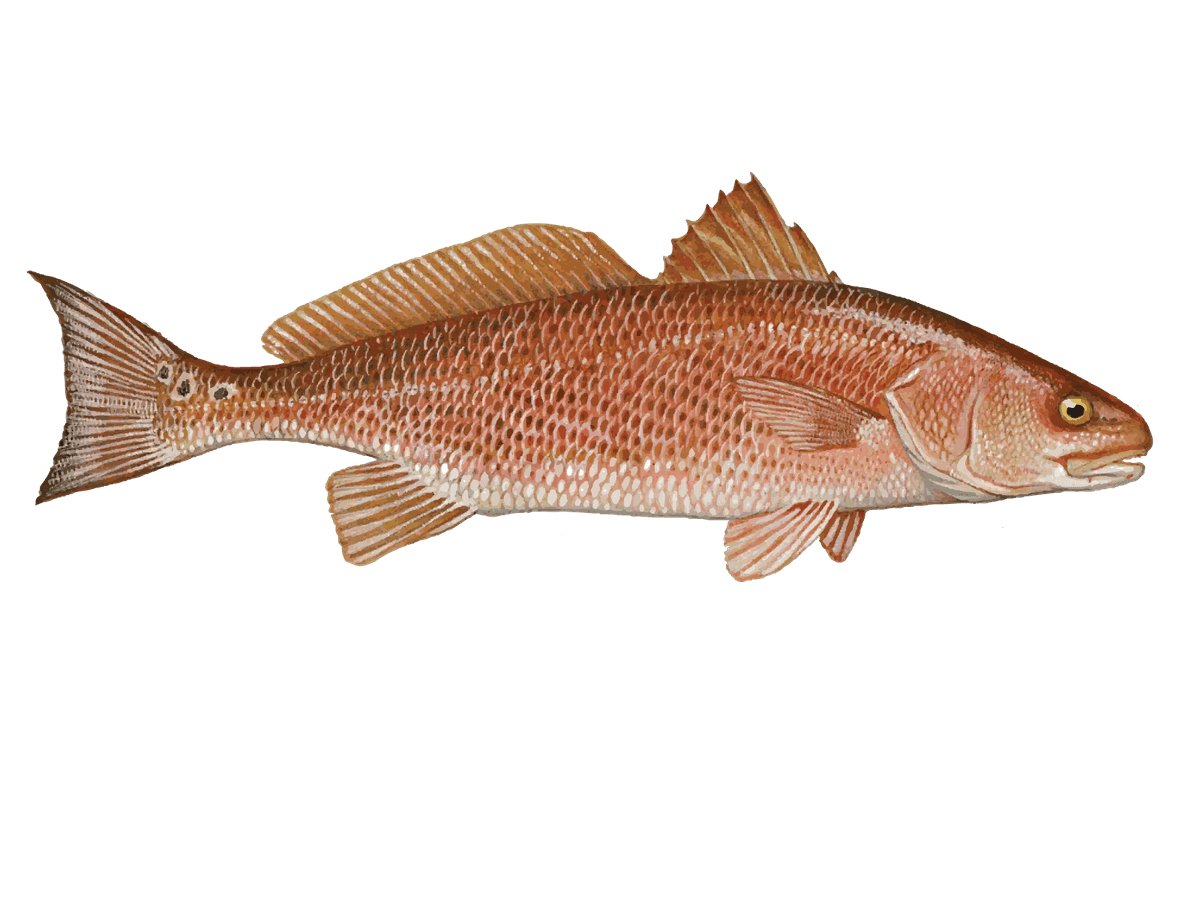
 Redfish
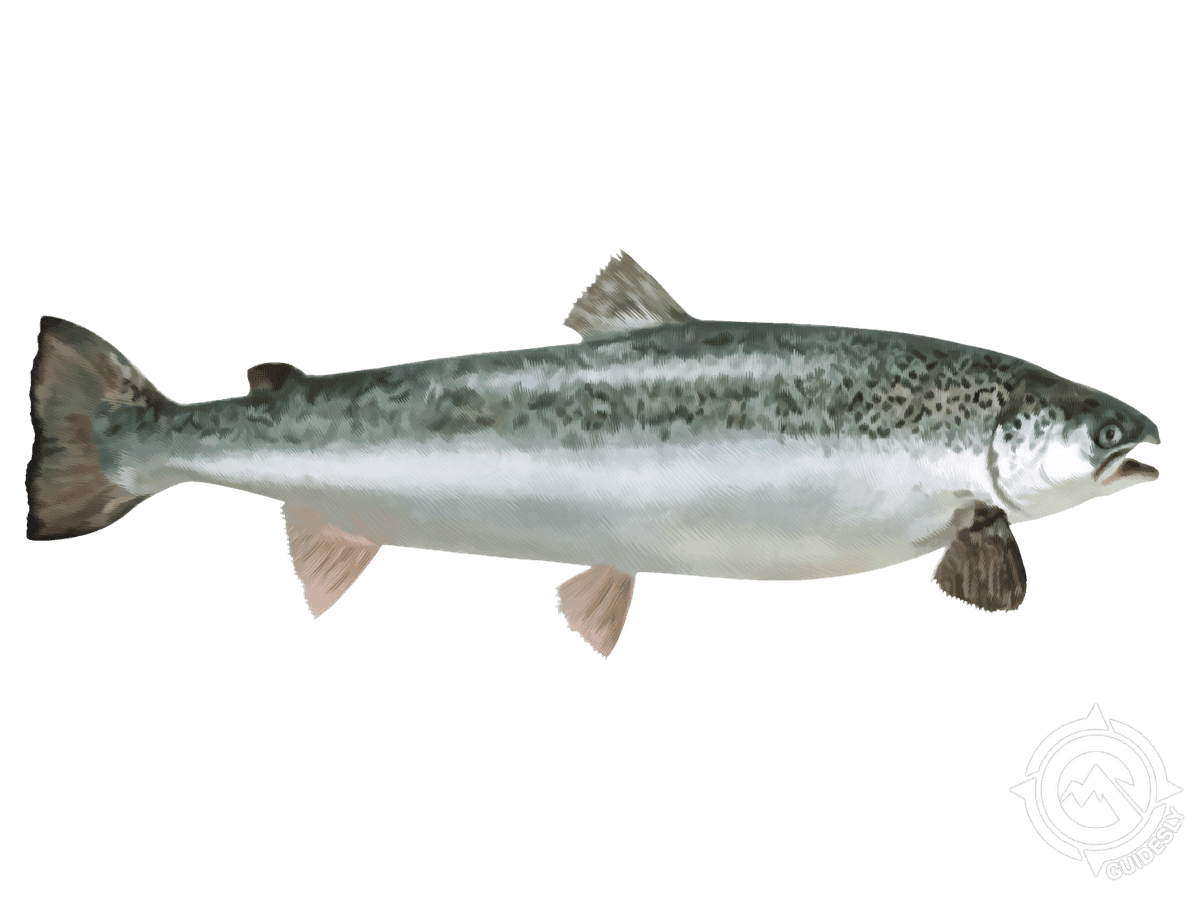
 Sea Trout
- Single-angler personalized inshore fishing adventure with captain guidance
- Target redfish, speckled trout, and flounder in prime coastal waters
- Choose 6 or 8-hour trips with 15% loyalty discount included
Trip Pricing and Availabilities:
Trip pricing information is temporarily unavailable.
Captain's Loyalty Trip - Your Reward for Trust
You've been with us before, and that means everything to Captain Dave and the crew at Pamlico Pirate Fishing Charters. This isn't just another fishing trip - it's our way of saying thanks for your loyalty with a solid 15% discount on your next 6 or 8-hour charter. We know you could fish with anyone along the North Carolina coast, but you chose us again, and we're going to make sure this trip reminds you why that was the right call.
What to Expect on the Water
This loyalty charter puts you right back in the heart of Pamlico Sound's best inshore fishing grounds, where the water's always telling a different story depending on the tide, weather, and season. You'll get the full VIP treatment - just you and the captain, so there's no waiting around for other anglers to get their lines sorted or decide where they want to fish next. We're talking about a completely personalized experience where every decision revolves around putting you on fish. The sound's shallow waters and endless grass flats create the perfect hunting grounds for our target species, and with years of experience reading these waters, Captain Dave knows exactly where to position the boat based on wind direction, water temperature, and recent fish movement patterns. Whether we're working the deeper channels near the ICW or sliding up into skinny water around the marsh edges, you're getting premium access to some of the most productive inshore waters on the East Coast. The best part? No crowds, no pressure from other boats - just pure fishing focused entirely on your success.
Techniques & Tackle Setup
We run a variety of techniques depending on what the fish are telling us on any given day. Light tackle spinning gear is our bread and butter - think 3000-4000 series reels spooled with 15-20lb braid and fluorocarbon leaders that won't spook these educated sound fish. Soft plastics are absolutely deadly here, especially Z-Man baits on jig heads that can handle the grass and structure we're fishing around. We'll work everything from paddle tails and shrimp imitations to topwater plugs when the fish are busting bait on the surface. Live bait fishing is another weapon in our arsenal - fresh shrimp, finger mullet, and mud minnows that we'll either fish under popping corks or free-line depending on the conditions. The captain's always watching the fish finder and adjusting our approach, whether that means switching from artificial to live bait, changing our retrieve speed, or moving to a completely different structure. Wading opportunities come up regularly when we find fish in super shallow water, and there's nothing quite like sight-casting to redfish tailing in two feet of water. All tackle and bait are included, but feel free to bring your own rods if you've got favorites you like to fish with.
Target Species Breakdown
Sea trout are the bread and butter of Pamlico Sound fishing, and these speckled beauties are what dreams are made of when they're feeding aggressively. Most of our keeper trout run 14-18 inches, but don't be surprised when a 20+ inch gator trout inhales your bait and starts peeling drag. Spring and fall are absolutely prime time for big specks, especially when water temperatures are in that sweet 65-75 degree range. They love structure - think oyster bars, grass edges, and channel drop-offs where they can ambush baitfish. What makes sea trout so addictive is their willingness to hit both live and artificial baits, and when you find a school, the action can be non-stop. The fight isn't going to pull your arms off, but these fish are pure fun on light tackle, and they're excellent table fare if you decide to keep a few within the slot limits.
Redfish are the real rock stars of our inshore waters, and Pamlico Sound produces some absolute giants that'll make your reel sing. These copper-colored bruisers can range anywhere from 18-inch slot fish perfect for dinner up to 35+ inch bull reds that are pure muscle and attitude. Reds are incredibly predictable once you understand their patterns - they love shallow flats during moving tides, especially around oyster bars and marsh grass where they can root around for crabs and shrimp. Summer months bring the big schools, while fall fishing can produce some of the largest individual fish of the year. What makes redfish so special is their willingness to eat in super shallow water where you can actually see them feeding, and when a big red takes off in three feet of water, there's nowhere to hide. They're also one of the smartest fish in the sound, so presentation matters, but when you get it right, the reward is worth every bit of effort.
Bluefish bring the pure aggression and fast action that gets every angler's heart pumping. These toothy predators travel in schools and when they're feeding, it's complete chaos in the best possible way. Blues hit hard, fight harder, and they're not picky about what they eat - cut bait, live bait, spoons, plugs, soft plastics - if it moves, they'll attack it. Size can vary dramatically from smaller snapper blues that are perfect for light tackle fun up to chopper blues in the 5-8 pound range that will absolutely smoke drag and test your knots. They're most active during spring and fall migrations when huge schools move through the sound, but resident fish provide action throughout the warmer months. Fair warning - these fish have serious teeth, so we always use wire leaders and handle them with respect. The fight is explosive and usually involves multiple jumps and long runs, making them a favorite for anglers who love fast, aggressive action.
Time to Book Your Spot
Your loyalty deserves this level of personal attention, and frankly, this discount won't last forever. The 15% off your 6 or 8-hour charter is our way of building something bigger than just a business relationship - we're talking about a fishing partnership where
Learn more about the animals
Bluefish
These aggressive predators are pure excitement on light tackle. Blues typically run 3-15 pounds and are known for their razor-sharp teeth and non-stop fight. They travel in schools, feeding on menhaden, anchovies, and anything else that moves. Summer brings the best action when they're actively feeding in bays, inlets, and along beaches. What makes them special is their feeding frenzies - when you find them, it's non-stop action. They're excellent table fare when handled right, with flaky white meat, though the bigger ones can be a bit oily. Fair warning: always use a wire leader and watch those teeth when handling. When you see birds working the surface and baitfish jumping, that's your cue to get there fast. Cut bait or metal spoons work great.
Redfish
Red drum are the bread and butter of shallow water fishing here. These copper-colored fighters with their signature black spots near the tail typically run 20-35 inches, but the bulls can push 40+ inches and really test your drag. Look for them in 1-4 feet of water around oyster bars, grass flats, and muddy bottoms - sometimes so shallow their backs break the surface. Spring and fall are prime time when they're actively feeding. What guests love most is sight fishing to tailing reds and that distinctive drumming sound they make. The meat's excellent eating with a mild, sweet flavor. Here's the trick: when you spot a tailing red, cast well ahead and let your bait settle naturally. They're easily spooked, so patience pays off.
Sea Trout
Also called speckled trout, these silvery beauties with distinctive black spots run 14-24 inches and typically weigh 1-5 pounds. They love shallow grass flats, especially at night when they come up to feed on shrimp and small baitfish. Summer through fall offers the best action, though winter schools can be found in deeper channels. What makes them special is their finicky nature - they'll test your skills but reward you with excellent table fare. The meat is white, flaky, and mild, but handle it gently since it's softer than other inshore species. Pro tip: when working grass flats after dark, idle along slowly with topwater plugs or soft plastics that mimic shrimp. They spook easy, so keep the noise down.
About the Parker
%2F%2Fusers%2F792382ab-206e-4089-a7cf-5e417b469da6%2Fvehicle_picture%2Fboat.jpg&w=1200&q=75)
Vehicle Guest Capacity: 4
Manufacturer Name: Yamaha
Maximum Cruising Speed: 55
Number of Engines: 1
Horsepower per Engine: 250